Iraq: the church fading in silence
In one generation, most Iraqi Christians left their land; Christ's promise isn't measured by crowds.

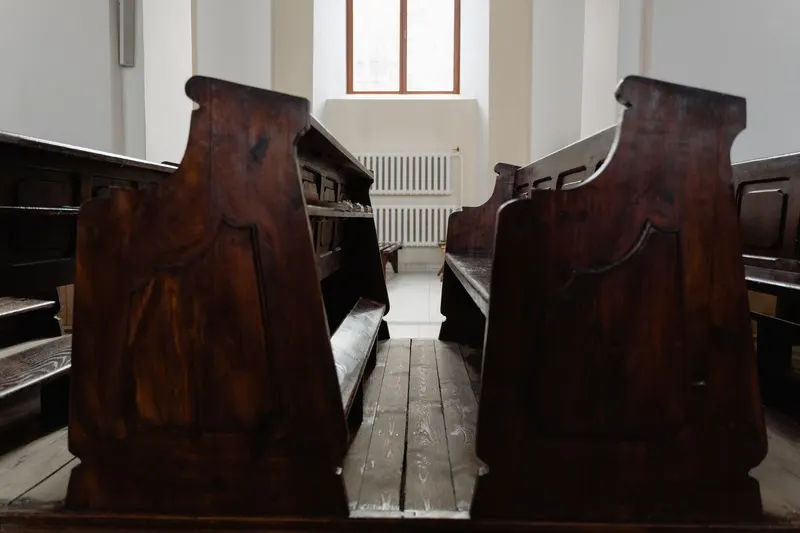
In August 2014, the church fading in silence showed its face: Christian families from northern Iraq fled the Nineveh Plain to the Kurdistan region in a single night.
The afternoon before had been normal. Someone was closing the family workshop, a bell rang in the distance, children argued over the television. Then the calls came: fighters were advancing, roads were closing. Everyone packed a suitcase. The father locked the door, sure they would return in a few days.
They didn't return in days. Months came in a shelter, then an apartment shared with relatives, new schools, and a business that never reopened. When the extremist group lost the territory, returning was no longer going back: neighbors scattered, jobs scarce, security in doubt. The church building still stood. The congregation did not.
«The church can fade in a land; the Kingdom cannot.»
The collapse started earlier
Dating everything to 2014 is convenient, but incomplete. The exodus of Iraqi Christians had been underway for years. After the 2003 invasion, the country spiraled into instability, attacks, and sectarian violence. Churches were attacked, businesses extorted, and religious leaders kidnapped or killed. Many families concluded their children would be safer far away.
The Islamic State took Mosul in June 2014 and proclaimed its caliphate there. In August, its advance emptied entire towns of the Nineveh Plain in two days. Houses, farms, schools, and centuries of history were left behind.
Faith in Mesopotamia did not come from the West. Assyrian, Chaldean, Syriac, and Armenian communities built churches and monasteries long before modern Iraq existed. They preserved liturgies in Syriac, related to the language spoken in that region in Jesus' time.
Faith doesn't live on crowds
Leaving stopped being a one-night decision and became a yearly one. A young person goes to study and doesn't return. A family reunites with relatives already in Europe, Australia, or the United States.
The congregation shrinks, the Christian school loses students, and those who stay find fewer people to marry. Emigration ends up producing more emigration.
An empty church building is impressive, but it decides nothing. Jesus said: "on this rock I will build my church, and the gates of hell shall not prevail against it" (Matthew 16:18, ESV). That promise isn't tied to a town, a building, or a flag. The church can fade in a land; the Kingdom cannot.
Scattered believers still worship in Amman, Detroit, Sydney, or Stockholm. The same faith that sustained their grandparents under hostile empires sustains them now away from home. God doesn't lose his own because of a change of address.
What to do from here
There are two comfortable extremes. One is to watch others' suffering as a spectacle and turn the page. The other is to turn the persecuted into a party's banner. Neither helps anyone.
The path is simpler and more costly. Pray for the families rebuilding, for the pastors who stayed, for the young people torn between leaving and staying. Look for verifiable information instead of forwarded messages. And if you can, support those who walk with these communities in rebuilding.
"For here we have no lasting city, but we seek the city that is to come" (Hebrews 13:14, ESV). That doesn't make you indifferent to the place where you were born; it makes you free. You can love your land, your language, and your roots without putting your hope in them.
This week, set aside a few minutes to pray for the church in Iraq and find one verified fact about its situation. And answer honestly: if the church started fading where you live, what would you do differently?