550+ Christian leaders pray in Jerusalem at Sukkot
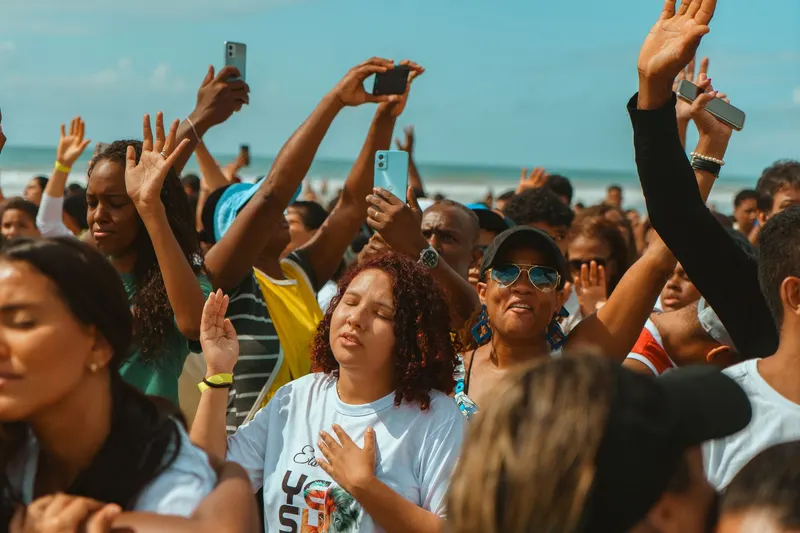
Prayer and worship, plus the desire to strengthen ties with the Israeli people, marked the Eagles' Wings gathering, Altar7 reported.
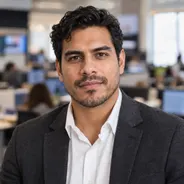
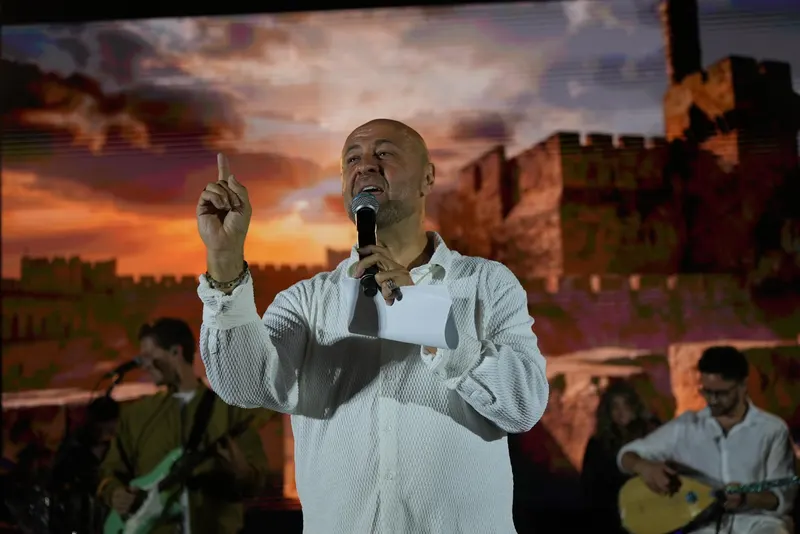
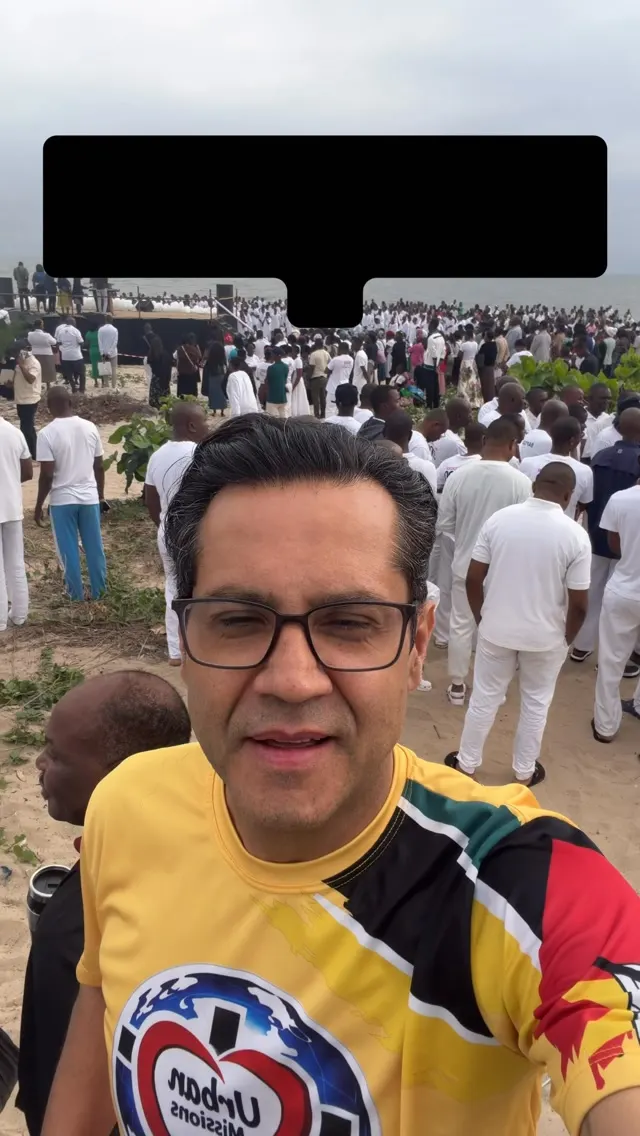
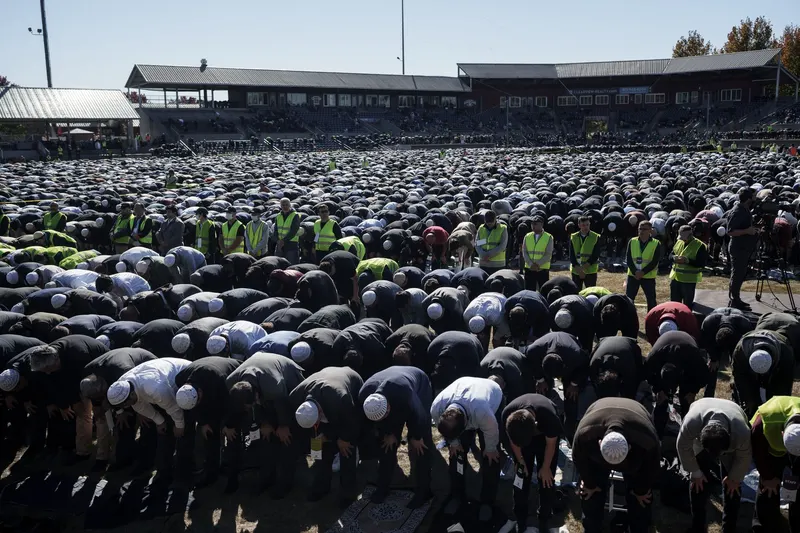
More than 550 Christian leaders, from 51 nations, gathered in Jerusalem during the Feast of Sukkot. The gathering was an initiative of Eagles' Wings, according to Altar7.
The focus of the meeting was prayer, worship and strengthening ties with the Israeli people. The city welcomed believers from around the world.
Sukkot, the Feast of Booths
Sukkot is the Feast of Tabernacles, one of the pilgrimage celebrations that the Bible describes in Leviticus 23. It remembers the years the people of Israel spent in the desert and God's provision in the midst of precariousness.
«Praying for Jerusalem is not signing a blank check to any government.»
That a meeting of Christian leaders takes place within that calendar says something: the Christian faith cannot be understood apart from the history of Israel. It is not about adopting foreign customs or pretending to have another identity, but about recognizing roots. The church of Jesus is a graft, not a new tree.
That detail orders the way we approach Israel: with gratitude for the roots, without appropriating what is not ours and without turning faith into a shield for an earthly cause.
Praying for Jerusalem without partisan flags
"Pray for the peace of Jerusalem! May they be secure who love you!" (Psalm 122:6, ESV). The psalm asks for peace, not alliances. That difference matters when every conflict in the region becomes ammunition for social media and many expect the church to pick a side, as if it were a soccer team.
Paul warned believers of Gentile origin not to consider themselves superior to the original branches of the olive tree (see Romans 11:18). Humility is part of prayer. Without it, intercession becomes a slogan.
I am concerned that faith is used as a flag. When the gospel is attached to an administration, a party or a national cause, it loses the ability to call for repentance and ends up serving a human power. Praying for Jerusalem is not signing a blank check to any government.
Scripture commands us to pray for all who are in authority (see 1 Timothy 2:1-2). Praying for them is different from blessing their decisions. The church prays, testifies and serves; it does not campaign or hand out patriotism cards.
The Hispanic church is also in that room
The 51 nations represent a body that does not fit in a single language. The Hispanic church in the United States and Mexico belongs to that global body: it shares the same head, Christ, and the same prayer. A congregation in Phoenix, Mexico City or Madrid does not pray from the periphery.
Praying in Spanish alongside brothers and sisters from other languages does not take away identity; it helps to see the whole body. Hispanic faith has its voice, its music and its way of serving, and also pending questions about how to read Middle East conflicts without repeating slogans from any side.
When politics divides, the honest question is not who is right in the debate, but who I am truly praying for. For the people who suffer, or for my side?
This week you can do something concrete: set aside ten minutes to pray for the peace of Jerusalem, for believers living in the region and for your own city. Also pray for those who govern, without handing over your conscience or your faith. If you do it in a group, talk about it with your church and tell us what you discover.