Turkey: Land of Seven Churches, Few Christians
The land of Ephesus and Nicaea keeps its temples open, but believers born Muslim face the highest cost.

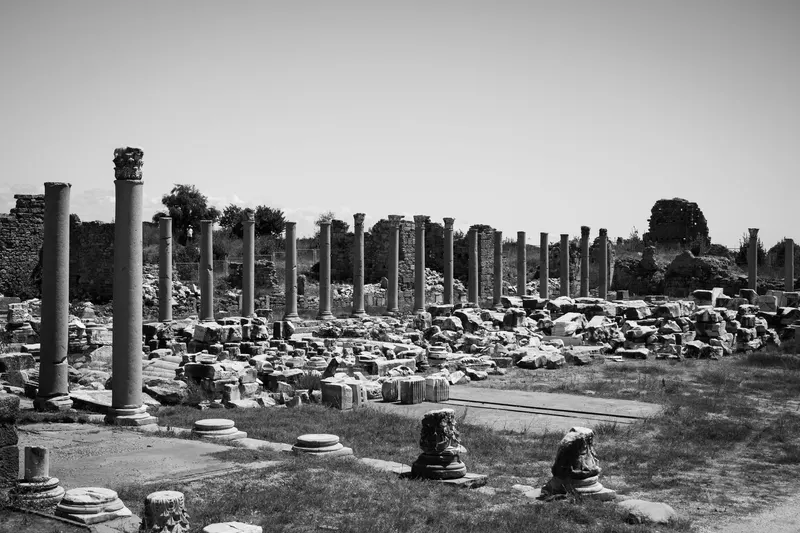
Turkey, the land of the seven churches, barely has Christians. Estimates speak of about 150,000 followers of Jesus in a country of more than 85 million. Paul taught for three years in Ephesus; today many believe in silence.
Ephesus, Nicaea, and Constantinople
Before the map you now call Turkey existed, that land already had churches. The apostle Paul traveled through Asia Minor and left communities in cities like Ephesus; New Testament letters, such as Galatians and Ephesians, were written to believers who lived there. The seven churches of Revelation were in that same region.
When the Roman Empire legalized the faith, Constantinople—present-day Istanbul—became one of the most important Christian cities in the world. Councils that defined doctrines millions of believers confess today met in that land. The faith didn't arrive yesterday: it has been there for nearly two thousand years.
«Faith isn't sustained by a majority: it's sustained by grace.»
Then came the Ottoman Empire and the landscape changed. Armenian, Greek Orthodox, and Assyrian communities, large for centuries, were reduced by wars and displacements. Today Turkey is an officially secular republic and its constitution recognizes freedom of religion. On paper, being Christian is legal. In daily life, it's more complicated.
Freedom in Writing, Pressure in Living
Historic temples remain open, especially in Istanbul. But getting permits to open a new church can become a labyrinth, and rhetoric against Christians appears in media and public speeches. Christian organizations and foreign missionaries are closely watched; some have been denied residency or have had to leave the country.
The cost rises when someone is born Muslim. Leaving Islam is frowned upon in many communities, and those who do face suspicion: the Christian faith is perceived as something foreign. That's why many follow Jesus without saying so and gather in homes.
Even so, there are signs of life. Some young people explore the faith more openly than their elders, especially in personal conversations and on digital platforms, and small churches continue to serve their people. They are not a curious fact or a distant headline: they are our brothers and sisters, with jobs, families, and doubts similar to yours.
Faith Isn't Sustained by a Majority
We were raised in a culture where being Christian was normal. Grandma prayed, the neighbor went to Mass or the service, the church was around the corner. That's a gift, and also a trap: you can confuse custom with faith and call Christian what is only family inheritance.
In Turkey, that safety net that sustains by custom is gone, and the church is still there. Why? Because no culture sustains it. Christ sustains it, who promised to build his church, and God's grace, which keeps a remnant where no one would expect it.
"So too at the present time there is a remnant, chosen by grace" (Romans 11:5, ESV). That remnant doesn't depend on empires, majorities, or flags. It depends on God.
That changes how you look at your own faith. If you're a Christian only because it's done in your house, that saves no one: faith is a gift from God, not a cultural inheritance.
And if one day following Jesus costs you something—a friendship, a job, a family relationship—the majority won't sustain you. The same grace that sustained the believers of Ephesus will sustain you.
This week you can do something concrete: pray for the Christians in Turkey, by name if you can. Ask that they not grow weary, that their families stay firm, and that more people come to know Jesus. And answer honestly: what would you do if following Christ cost you your family?