The pot an evangelical church opened in Chiapas
A congregation in Chiapas served food to people walking in a caravan; the gesture raises the question of how much it costs to serve without spotlights.

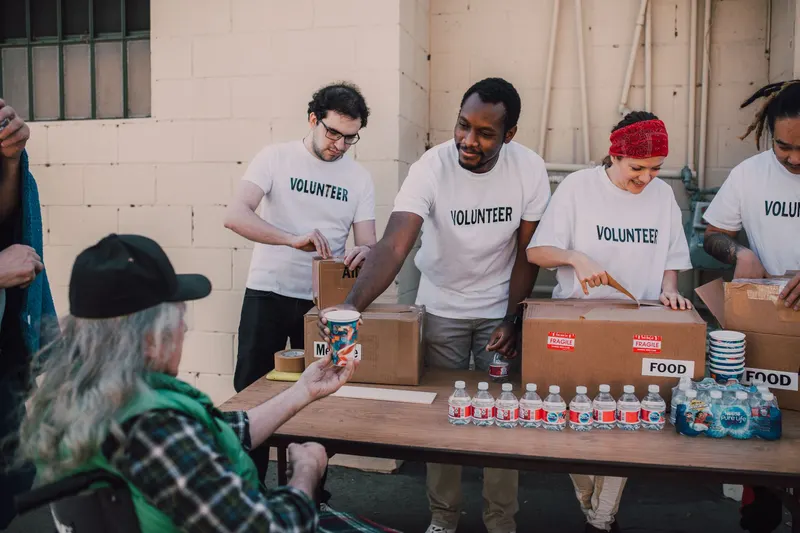
An evangelical church in Chiapas handed out food to members of a migrant caravan, La Jornada reported. The news fits in one line. What happens behind that line deserves more time than we usually give a headline.
Before any analysis there is a simple fact: there was food served to people who are walking. It is not a symbol or a slogan. It is a table set with what was on hand.
Scripture does not treat hospitality as an extra for advanced believers. "For I was hungry and you gave me food, I was thirsty and you gave me drink, I was a stranger and you welcomed me" (Matthew 25:35, ESV). Hunger and strangerhood appear in the same sentence, and both are attended to with hands, not with a tweet.
«Faith shows in the table set, not in the phrase that goes with it.»
What it costs to set the table
Serving has a price, and it is worth saying without romanticism. It costs money that almost never is left over. It costs the time of people who already work double shifts. It costs gas, dishes, trips and someone who stays at the end to wash up.
It also costs something less visible: accepting that the one who receives does not always give thanks the way we expect, and that the line does not adjust to our schedule. Serving without applause is part of the package. If your idea of helping is feeling useful in twenty minutes, a soup kitchen will correct you quickly.
And there is a cost no one invoices: the weariness of sustaining the help when the caravan is no longer news. The line moves; those left behind still need the same thing.
Neither flag nor propaganda
A hot plate can be ruined in two ways: turning it into a campaign photo or into bait to count conversions as numbers. Neither one belongs to the church that confesses Christ. Bread is given because the one who arrives is the image of God, not because they are useful for a headline.
Deuteronomy 10:18 describes God like this: "who executes justice for the fatherless and the widow, and loves the sojourner, giving him food and clothing" (ESV). The model is God himself; the congregation only copies. Copying well means not conditioning the food, not campaigning and not using someone else's pain as an argument in the political debate.
The migration debate is full of slogans. The church is not called to win it. It is called to make sure that, when it ends, someone has eaten.
One step that fits in your week
If the scene moved you, don't leave it at a "how nice." Find who is already serving near you: a soup kitchen, a shelter, a congregation that hands out food boxes. If you live in a city people pass through, like Tijuana, ask your pastor which churches are coordinated before showing up with boxes on your own.
Then do something measurable. Put together a food box with your small group. Set aside a Saturday to serve. Offer what you have: a car, an afternoon, your language or your ability to organize a list. Faith shows in the table set, not in the phrase that goes with it.
Serving like this does not solve the migration issue and does not pretend to. It changes something smaller and more real: what you are when no one is watching you. Whose pot would you open this week?