From Iranian Refugee to Finding Jobs for Refugees
The World Relief Durham specialist arrived as an Iranian refugee in 2016 and now helps newcomers find work.

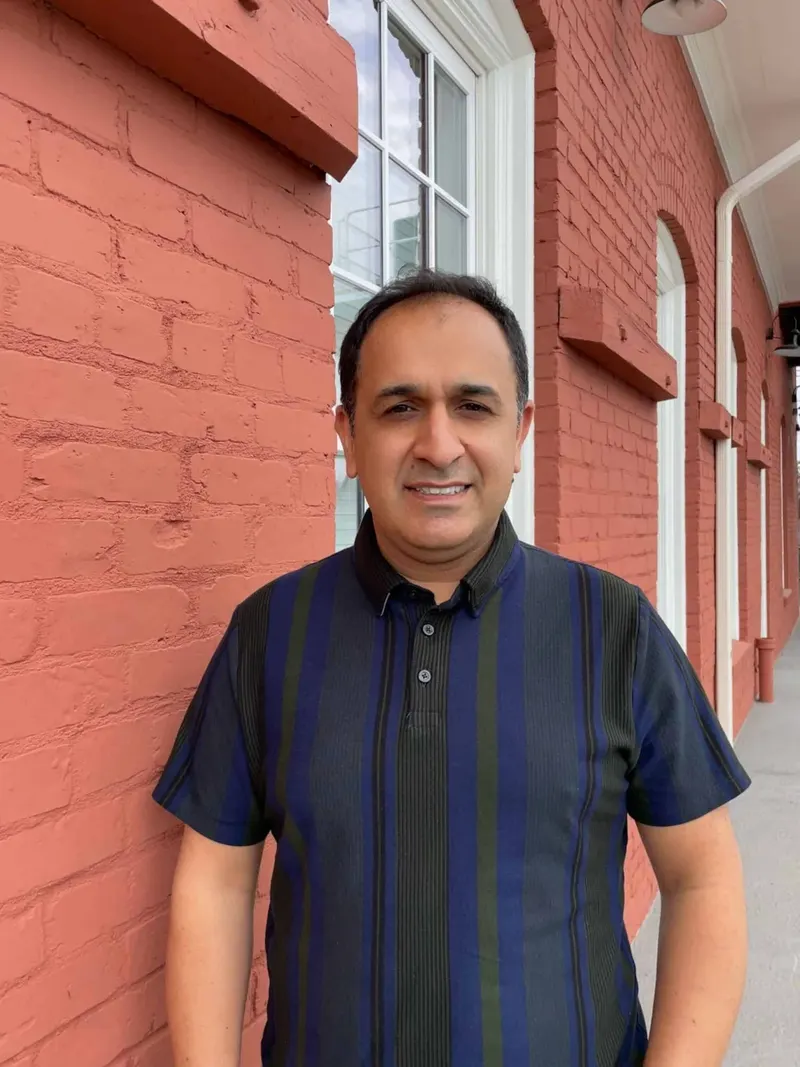
A family of four got into the car with four job offers the same morning. Behind the wheel was Daniel Kaboli, a refugee employment specialist at World Relief Durham, the organization says. He knew the road: he had walked it himself.
His first job wasn't the one his degree prepared him for
Kaboli grew up in Iran in a Christian family. When the government shut down his church, the country where he was born stopped being a place to stay. He came to the United States as a refugee in 2016. His resettlement agency helped him with paperwork, orientation and a place to sleep.
A meaningful job was still far off. He spoke English and had a degree in translation, but the job market asked for something he didn't have yet: U.S. experience and cultural fluency. He found a part-time administrative job at a school while working on a master's degree. After two and a half years, he decided to leave and look for something else.
«Work restores dignity; community restores a future.»
He didn't aim right away for a position in his field. He looked for jobs in stores, where everyday conversations helped him learn the language and the culture, he told World Relief.
That is where the advice he repeats to newcomers comes from: "Looking for a job in a store or restaurant, where there are people, exposes you to the culture and helps you learn the language faster" (translation by Sígueme).
An Uber ride and a conversation
In 2022, World Relief Durham showed up twice in his day. First, in a phone interview. Hours later, when he picked up a passenger in his Uber: it was Barbie, who told him she worked at the organization and spoke warmly about her job.
The encounter was brief, but it echoed for a long time. World Relief stopped being a name on an application and became a community. Today Kaboli walks alongside newcomers as they look for work. He defines hope as a positive attitude toward the future: not knowing what will come, but trusting that something good will.
In the car, with the family that had just received four offers, that idea stopped being abstract. Before getting out, they invited him to sit at their table.
Work restores dignity
Kaboli described those moments as a doorway to eternity and as glimpses of the kingdom of God. For him, a job represents a step toward independence, stability and belonging, World Relief reported. Work restores dignity; community restores a future.
And if all work is done "heartily, as for the Lord and not for men" (Colossians 3:23, ESV), no store or restaurant is a lesser place. Scripture doesn't separate bread from neighbor: "Love the sojourner, therefore, for you were sojourners in the land of Egypt" (Deuteronomy 10:19, ESV).
Hope isn't found in landing the dream job or in the stability of a country. It is found in Christ, who sustains the one who arrives empty-handed and the one who already has something to offer.
Practical step: if you're looking for your first job, look at places with people around, such as a store, a restaurant or a café, where every shift is practice in language and culture. If you already work, share a job opening, review a résumé or explain a process to someone who just arrived. Whom could you invite to your table this week?