Hispanic Pastors Mobilize for Diaspora Missions
A Hispanic missions network is mobilizing pastors and leaders in the New York metro area, Baptist Press reported.

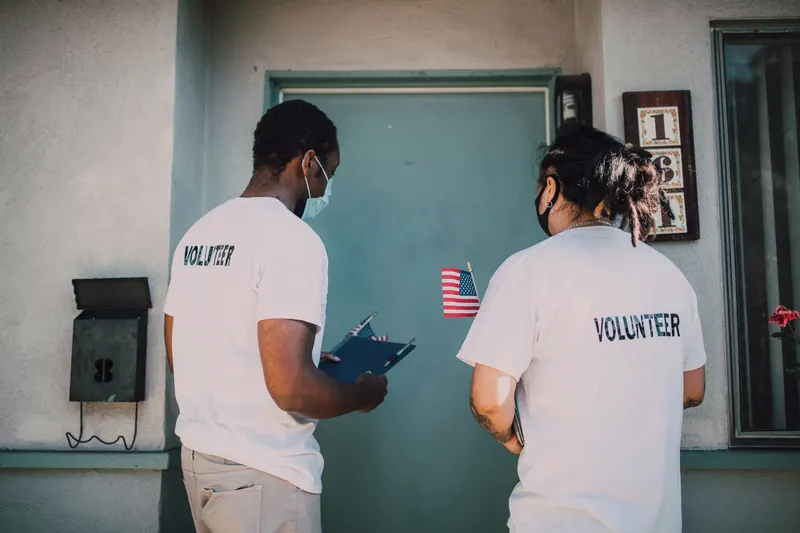
Baptist Press reported that the Diaspora Missions Collective is mobilizing Hispanic pastors and church leaders in the New York metropolitan area. And for many young Hispanics, that mission isn't theory: it starts two streets from home.
A word that moved out of its house
"Diaspora" comes from Greek and names a scattered people, far from their land. Today it names families who left their country and live in another, often in your own neighborhood.
In the United States and in Mexico, that reality isn't a distant statistic. It's the coworker, the woman at the store, the neighbor on the third floor. It's also the church that has right in front of it someone who just arrived and still doesn't know how to approach.
«Serving doesn't require a ministerial title, but attention.»
For centuries, Christian mission meant crossing oceans. That work hasn't ended. But when people arrive in your city, geography flips: the mission field is a few blocks away. You don't need a passport or a bank account to start; you need to see the person already in front of you.
There's something more: diaspora mission doesn't turn anyone into a project. The Hispanic church also teaches, prays and sends. That's vocation, not charity.
Hospitality before activism
The Bible says it with uncomfortable simplicity: "Do not neglect to show hospitality to strangers, for thereby some have entertained angels unawares" (Hebrews 13:2, ESV). Hospitality isn't putting on an event with a logo. It's opening the table, learning a name and listening to a story without correcting it.
I worry when faith becomes a slogan. The church isn't a party, nor a flag, nor a brand. When hospitality becomes propaganda, it stops being hospitality. It's measured better in washed dishes, in hours given away and in conversations no one will post online.
Nor is it a task for experts. Every believer has a block, a building, a classroom. The Bible presents God as the one who fixes the times and boundaries where each people lives (see Acts 17:26). Right where He placed you, there's already someone from another country. Serving doesn't require a ministerial title, but attention.
It starts with a name
We think helping the immigrant requires a formal ministry. It almost always starts smaller. This week, write down the name of a person who came from another country and whom you see often. Pray for her by name, not for "immigrants" in general. Then greet her and ask where she's from.
If you're afraid you won't know what to say, start by listening. Most people don't want a speech, they want someone to remember their name.
If a concrete need comes up —a move, food for the week—, your local church can come alongside better than you alone. If your congregation already serves migrant neighbors, join in. If not, ask your leaders how to start.
Mission doesn't wait for the country to resolve its debates about migration. It starts today, two streets away, with a name and an empty chair. Who are you going to open the door to this week?