No One Should Arrive Alone
A program solves a specific procedure; a person who stays makes a strange place start to feel like home.


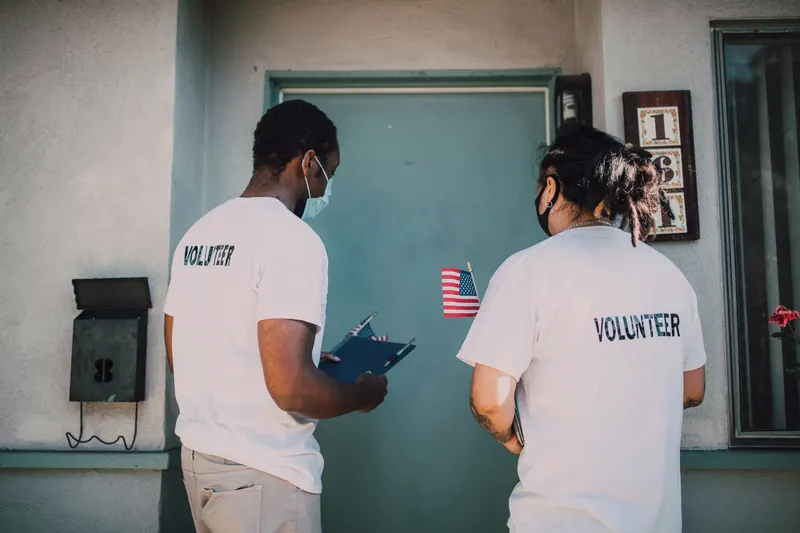
Someone opens the mailbox and pulls out a letter they can't read. They translate two words with their phone and understand just enough: it's urgent. No one should arrive alone at that moment.
A suitcase can hold clothes, photos, and some papers. The rest stays behind: the streets where you learned to ride a bike, the food from your home, the jokes that are only funny in your language, and the people who know where you come from without asking a thing.
Leaving isn't always an adventure you choose. Sometimes violence, persecution, or a lack of future for your children pushes you out. Those who leave don't stop loving their land; they carry it with them, with gratitude and grief, because they don't know when they'll experience it the same way again.
«The welcome lasts longer than the first week; it's proven when months pass and you're still there.»
And arriving doesn't end the journey. That's where something else begins: understanding a form, finding work, enrolling a child in school, deciphering a government notice, asking for help without knowing who to turn to.
What doesn't fit in the suitcase
None of that escapes God's notice. Scripture says he fixed the times and the boundaries of where each people lives (see Acts 17:26). The one who arrives in your city didn't show up by chance, and they carry God's image, not a label.
A procedure explained is worth more than a speech
I believe that in the first few months, a person with time weighs more than any program. Someone who explains what you don't understand, who listens to your accent without correcting you, who reviews that letter with you and says: "Let's take it step by step."
That's within anyone's reach. You can accompany a classmate to their first appointment at an office, help fill out a form, practice English for half an hour a week, translate an email, invite them to your church and sit next to them.
You don't need to be an expert in law or have all the answers. You need to stay. The welcome lasts longer than the first week; it's proven when months pass and you're still there.
We don't do it to feel good about ourselves either. You also arrived without merit and were received by pure grace; that same grace is what pushes you toward others. That's why the command still stands: "Love the sojourner, therefore, for you were sojourners in the land of Egypt" (Deuteronomy 10:19, ESV).
None of this depends on who's in government. It depends on whether you know their name, whether you know when their bus arrives, and whether your table has an open seat.
Who accompanied you
Think about the first time you entered a new place: a school, a job, a church where you didn't know anyone. Someone showed you where to sit, explained how things worked, introduced you to others. That person gave you something money can't buy.
This week you can be that person. Choose someone by name and offer them something concrete: half an hour to review a document, company to an English class, a place at your table. Better a real hour than a huge promise.
The question isn't what you think about migration. It's who accompanied you when you didn't know how to start, and who you will accompany now.