You sleep six hours and call it normal
84.8% of the young people surveyed in Bogotá sleep less than seven hours a night, according to Universidad Manuela Beltrán.

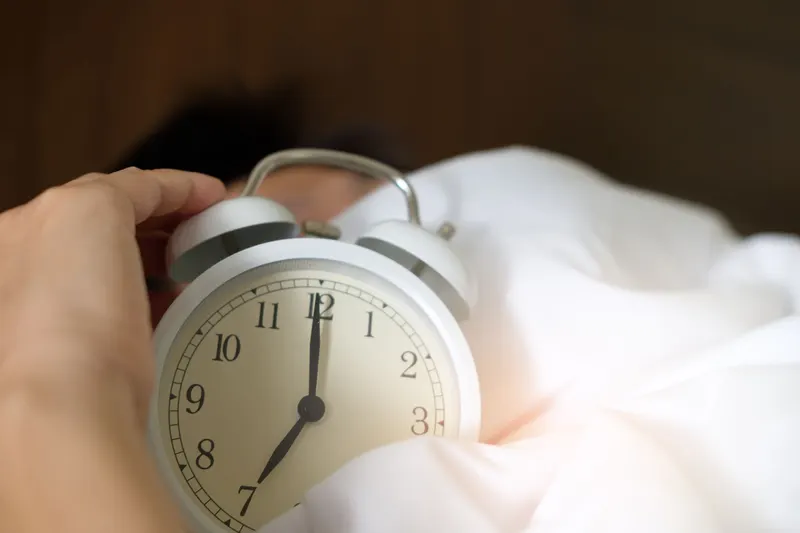
The alarm goes off at 5:30 and your phone is still on. Sleeping six hours has become normal. Infobae Colombia reported on November 2, 2026 that 84.8% of young people in Bogotá sleep less than seven hours.
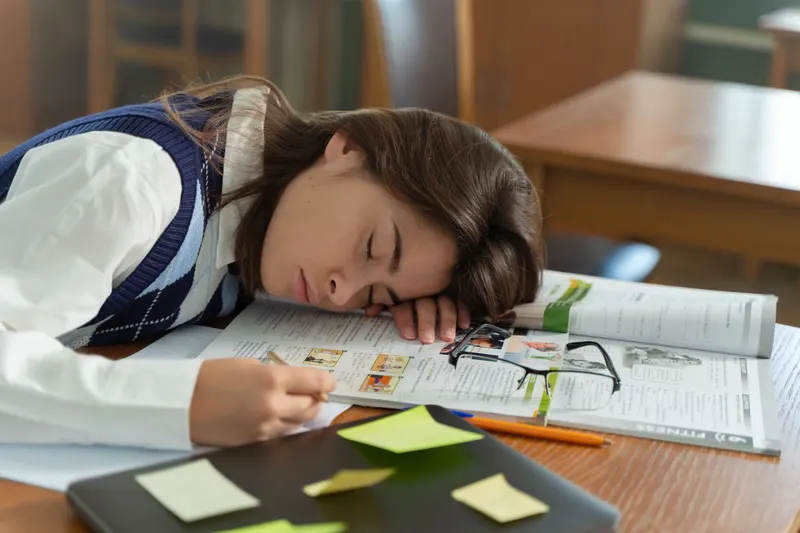
The figure comes from a survey by the Respiratory Therapy Program at Universidad Manuela Beltrán. In round numbers, eight out of ten. And 82.1% of respondents said they wake up tired or without energy.
The reasons they pointed to themselves: stress, anxiety or racing thoughts (45.7%); responsibilities at school or work (35.8%); debt and money worries (27.8%); family or personal problems (26.5%). Phones and screens show up at 21.9%.
«Sleeping is confessing that we are creatures»
A body that sends the bill
Diego Gutiérrez, director of that program, told Infobae Colombia that poor sleep affects concentration, attention and mood. He also warned about young people who sleep less than five hours. "It is worrying that young people are not getting rest," he said.
Cheryl Jiménez, a neurologist at Universidad de La Sabana, explained that each stage of sleep has its own job: regulating hormones, supporting the immune system, repairing tissue and clearing out waste that neurons produce during the day. When rest is cut short several nights in a row, that work is left half done.
Miguel Silva, a neurologist and sleep specialist at Hospital de San José in Bogotá, noted that fragmented sleep is linked to more anxiety, depression and metabolic risk, and that in young people cardiovascular risk and memory and attention problems also weigh in.
Here is the point many people miss: sleeping seven hours at any hour is not the same thing. Silva said the restorative rest happens in the second half of the night and in the early morning hours, so it's best to be asleep before midnight so you don't miss that part of the process.
Andrea Larrea, a psychologist at Fundación Universitaria Konrad Lorenz, added that the relationship goes both ways: poor sleep throws emotions off balance, and anxiety or deep sadness also make it hard to fall asleep. That is why she insisted on not studying, eating or working in bed.
Your day doesn't depend on your staying awake
Here is where the psalm comes in. "It is in vain that you rise up early and go late to rest, eating the bread of anxious toil; for he gives to his beloved sleep" (Psalm 127:2, ESV).
The psalm doesn't promise that whoever trusts God will sleep eight hours. It puts work in its place: the one who holds the city and your life together is God, not your sleepless nights.
Sleeping is confessing that we are creatures. Hours of rest aren't earned, they're received. And whoever receives them stops believing the world falls apart when they close their eyes.
Jesus said it plainly: "Come to me, all who labor and are heavy laden, and I will give you rest" (Matthew 11:28, ESV).
One step for tonight
Pick a time and leave your phone charging far from your bed. Not as penance. As an act of trust: there is Someone who keeps working while you sleep.
And if sleep hasn't come for weeks, or the exhaustion comes with an anguish you can no longer handle, talk to a trusted adult, a health professional or your pastor. In an emergency, call the emergency services in your country; at findahelpline.com you can find the helpline that applies to yours.
What's harder for you: letting go of your phone or accepting that you're not the one holding the world up?