The Future Keeps You Up: It Doesn't All Depend on You
Anxiety about the future isn't beaten with a perfect plan, but with a sovereign God who holds tomorrow.


If the future keeps you up at night, here's some news that won't show up in your feed: it doesn't all depend on you. At two in the morning that sentence doesn't comfort, but it's true.
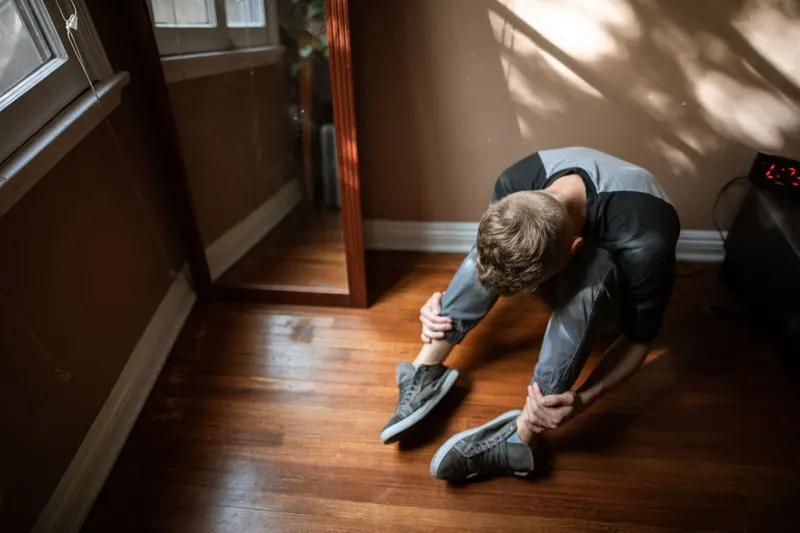
The scene repeats: your phone lights up the ceiling and your mind replays the same interview, the same exam, the same paperwork. The question underneath is almost never what will happen. It's who is in charge when you can't control anything.
Planning is fine; trusting the plan is not
Making a budget, studying for the exam, turning in your paperwork on time: that's stewardship, and God values it. The problem starts when the plan stops being a tool and becomes a judge. Every unexpected setback then feels like a verdict on your worth.
«Tomorrow isn't won with more control; it's received from a Father who already has it.»
Proverbs says it plainly: "The heart of man plans his way, but the Lord establishes his steps" (Proverbs 16:9, ESV). You plan the way; that's allowed. The outcome isn't in your hands, and it never was. God's sovereignty doesn't take away your responsibility: it takes away the burden of holding up the universe with a furrowed brow.
The difference is practical. Control asks: what if it goes wrong? Stewardship asks: did I do my part today? One keeps you awake for three hours; the other lets you close the laptop.
Your performance doesn't justify you
In your twenties it's easy to believe your whole life is decided in a single choice: your major, your job, your visa, the person you marry. That pressure has a spiritual root, not just a psychological one. We look for approval, and we look for it in results that change every semester.
The gospel answers before you perform. You aren't accepted because your résumé is spotless, but because Christ did what you cannot do. That doesn't make you lazy; it makes you free to work without your identity depending on the outcome. Grace doesn't compete with effort: it heals it.
A necessary clarification: clinical anxiety is not a lack of faith. If the sleeplessness has lasted weeks, if your body goes on high alert for no reason, or you avoid things you used to do, seek help from a health professional or talk to your pastor. Praying and asking for help don't contradict each other; God works through means.
In an emergency, call your country's emergency services. And if you want to find a local support line, go to findahelpline.com.
Sleeping is also obedience
Psalm 127 says it with a tenderness that surprises: "It is in vain that you rise up early and go late to rest, eating the bread of anxious toil; for he gives to his beloved sleep" (Psalm 127:2, ESV). Sometimes getting up early isn't diligence; it's distrust disguised as effort.
Resting is an act of faith. Turning off your phone an hour earlier, setting a limit on checking email, telling God what worries you and letting go of tomorrow for a while: these are concrete ways of saying God keeps working while you sleep. See Matthew 6:34: each day has trouble of its own, and tomorrow's isn't yours to carry today.
It's not about never feeling fear. It's about not ruling from fear. Tomorrow isn't won with more control; it's received from a Father who already has it.
This week, pick one thing. Before bed, write down the three worries that are costing you sleep and, next to each one, the part that is actually yours to do. Do that part tomorrow and leave the rest where it belongs. What is robbing you of sleep tonight?