US Religion Stops Declining; Young Adults Split
41% of adults ages 18 to 22 attend at least once or twice a month, but the 23-to-26 group is the least religious, according to Pew Research Center.

For years the question was how much further religion would fall. In 2026 the answer changed: after a long decline, religion in the US has held steady since 2020, according to Pew Research Center. Among young people, the signals point in two directions.
The Number Nobody Expected
In June 2026, 34% of adults in the country said they had attended a religious service in person during the previous month. If you add those who watched online or on television, the figure rises to 45%. These are the highest levels since July 2020, when Pew began asking those questions, in the first months of the pandemic.
The national average, however, doesn't tell the whole story. When you break it down by age, the picture splits in two.
«A checked box says something about a habit; it doesn't say whether Christ lives in you.»
Two Directions Among Young People
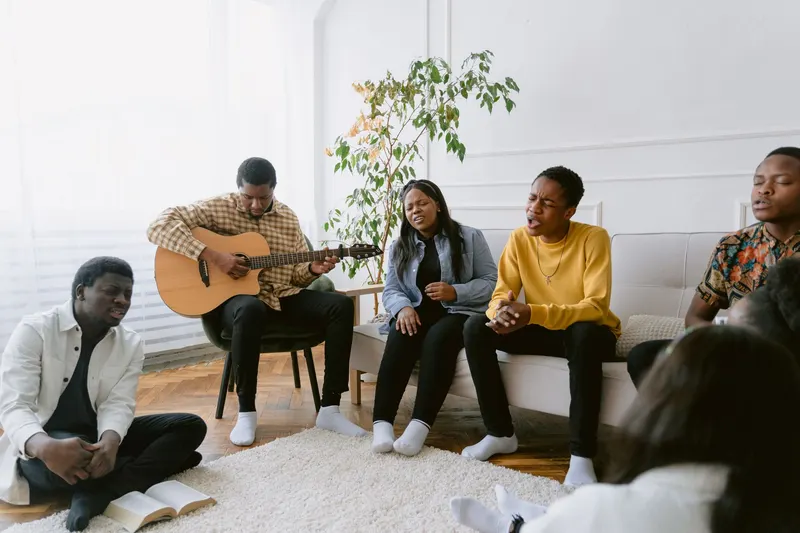
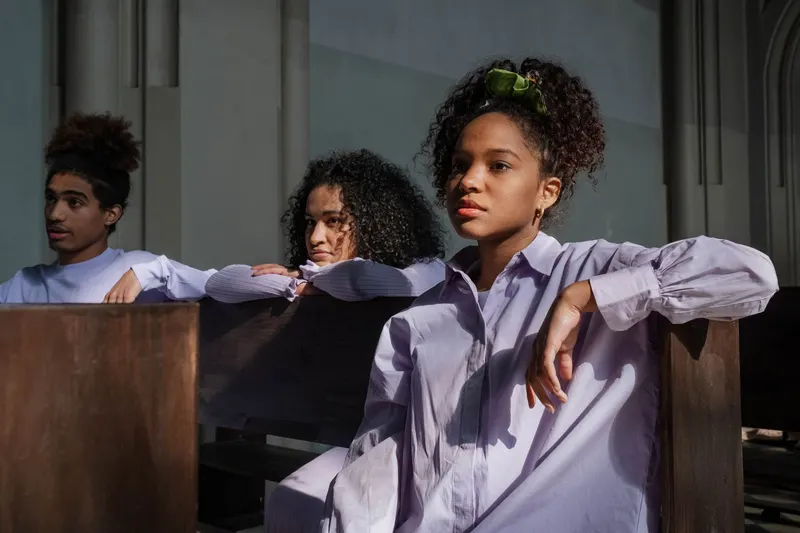
Adults ages 18 to 22, born between 2004 and 2008, describe themselves as more observant: 41% say they go to a church, synagogue, mosque or other place of worship at least once or twice a month, compared with 33% of the general public. The group right behind them, ages 23 to 26 (born between 2000 and 2003), sits at the other extreme: it is the least religious in frequency of prayer, importance of faith and religious identification, and only 27% attend at least once a month.
It's worth looking at the sample size. Pew gathered 443 respondents born between 2004 and 2008, with a margin of error of plus or minus 5.7 percentage points. The center cautions that these adults are no more religious than people their age were in 2014, and that there is no clear evidence that any generation has become more religious in recent years; part of the uptick could be a rebound after the pandemic.
One detail Pew had not seen before: among the youngest adults, men report attending more than women. High attendance is most noticeable among young men, but it is not limited to them or to any one political group.
Belonging Is Not Believing
A checked box says something about a habit; it doesn't say whether Christ lives in you. Scripture puts it plainly: "So also faith by itself, if it does not have works, is dead" (James 2:17, ESV). That doesn't turn works into salvation. Forgiveness is a gift, received by grace through faith, and the fruit comes afterward. Jesus also warned: "Not everyone who says to me, 'Lord, Lord,' will enter the kingdom of heaven, but the one who does the will of my Father who is in heaven" (Matthew 7:21, ESV).
For a young Hispanic living between two languages and two calendars, the risk is concrete: confusing belonging with conversion. Being in church because that's where your family, the food and your friends are is a good start. Stopping there leaves faith at the door. The useful question is not how many times you show up on the attendance list, but whether that attendance is shaping you to pray, serve and love people who don't think like you.
This week you can try a simple exercise: write down, without defending yourself, how much you prayed, whom you served and what you decided out of conviction rather than habit. Then take that list to God, not to social media. The Pew data does not measure revival; it measures identity, and identity is tested in daily life. What signs of faith do you see in your generation?