Yiye Ávila's Legacy Looks for Its Next Generation
Dr. Luis Ángel Díaz-Pabón accepted the posthumous tribute to Yiye Ávila and published a book about his life with Penguin Random House.

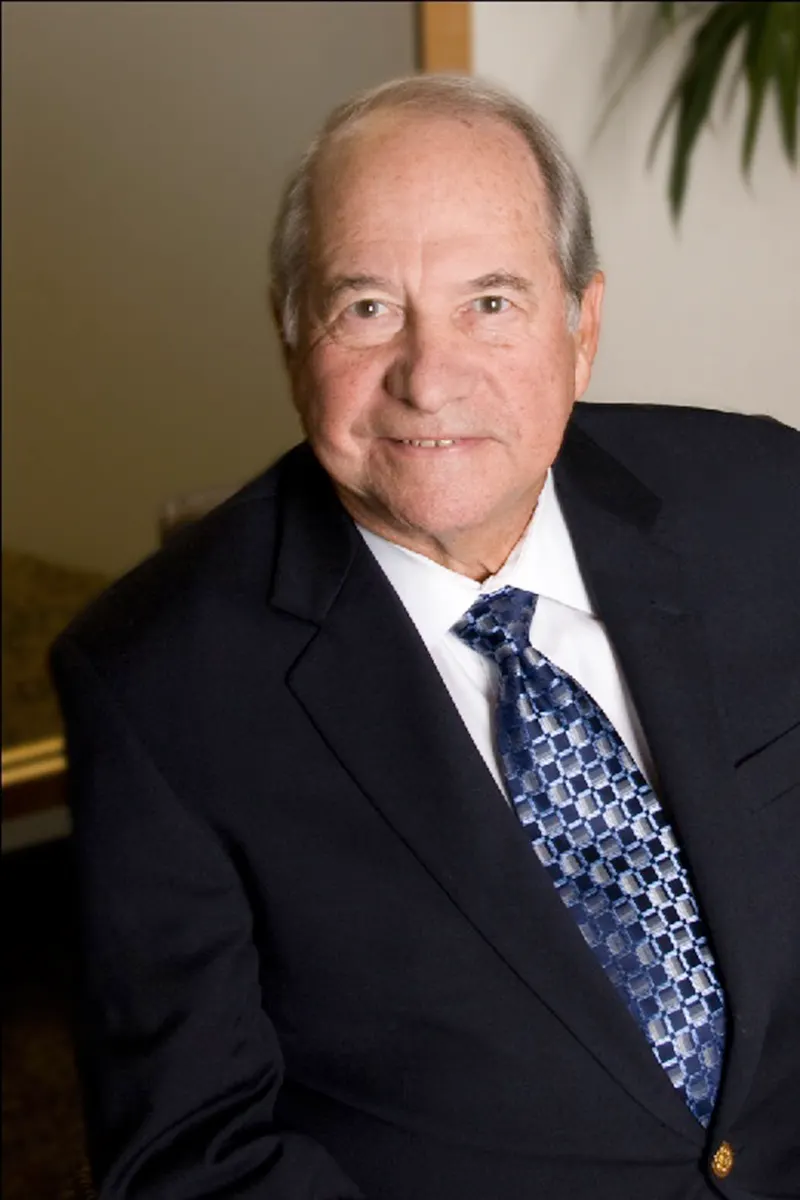
Yiye Ávila's legacy took center stage at a gala in Washington. Dr. Luis Ángel Díaz-Pabón received the posthumous recognition of the evangelist there, presented at the NHCLC's 25th anniversary, as reported by Altar7.
The ceremony opened the Hall of Hispanic Evangelical Faithfulness. It took place on October 20 at the Museum of the Bible, and the honor passed from the hands of Samuel Rodríguez, president of the National Hispanic Christian Leadership Conference, to those of Díaz-Pabón.
The hall is inspired by Matthew 25:23 and honors leaders who served patiently, away from the spotlight.
«Nobody inherits a pulpit; you inherit a charge.»
A book for those who never got to hear him
Díaz-Pabón did not leave the recognition on a shelf. He turned it into a doorway for telling the story. "El Yiye que yo conocí: Lecciones de vida" (The Yiye I Knew: Life Lessons), published by Penguin Random House Grupo Editorial under the Origen imprint, portrays the man behind the pulpit and the massive campaigns.
The book gathers experiences, convictions and spiritual disciplines that sustained the evangelist and the path of the Cristo Viene Ministry. It does not stop at the anecdote of the famous preacher: it seeks to explain what drove him and how he ordered his life.
For someone who is 20, that name may sound like a story passed down secondhand. That is where the book's value lies: it lets you get to know Yiye Ávila without depending on an old video or someone else's memory. The story can be read in full, with its questions and its nuances.
A charge passed from hand to hand
Díaz-Pabón's life shows how faith travels from one generation to the next. He grew up in a Christian home and at fifteen decided to follow Christ; in 1973 he began his evangelistic work in Puerto Rico. Today he presides over the Global Missionary Society and leads the church Capilla del Rey in Miami.
His campaigns have gathered more than 60,000 people in a single night, Altar7 reported. The numbers are impressive, but they are not the point. Nobody inherits a pulpit; you inherit a charge: to proclaim Christ with clear words and with a life that doesn't contradict him.
The stage has changed. Conversations about faith now happen in a group chat, in a café, in a video call between two countries. The message is still the same, and the responsibility no longer rests only on those who preached in stadiums.
Faith is also passed down at the table
The tribute in Washington celebrates one man's faithfulness. That faithfulness is practiced in less showy places: a kitchen, a car on the way to school, a call to the grandmother who still prays for you.
Scripture says it plainly: "His master said to him, 'Well done, good and faithful servant. You have been faithful over a little; I will set you over much. Enter into the joy of your master.'" (Matthew 25:23, ESV). The little things matter. What is hidden counts.
This month you can do something concrete: ask an older person in your church or your family how they came to faith and what they learned when things got hard. Listen without rushing. Then decide which part of that testimony you will tell yourself. Whose turn is it to proclaim the gospel when those who heard it firsthand are no longer here?