Screens and Mental Health: Your Phone Isn't the Culprit
The first generation raised on cell phones is reaching adulthood in a wellness crisis, and the diagnosis points at adults too.

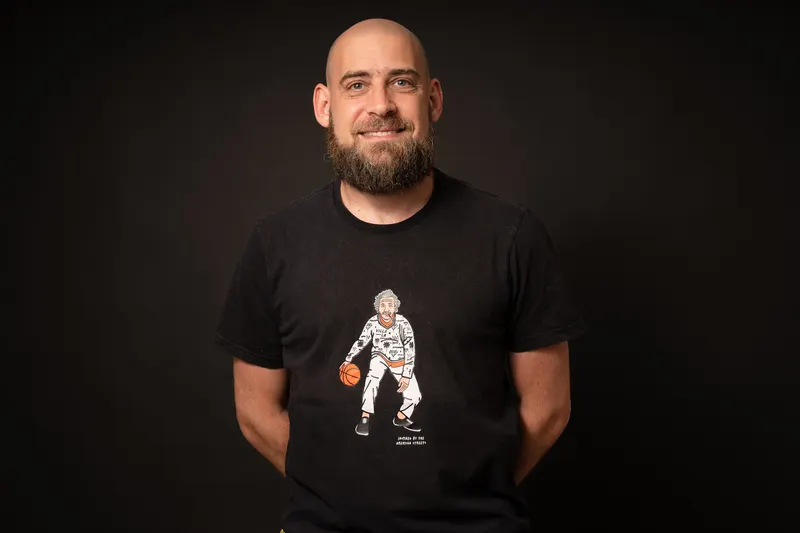
Tech expert Sebastián Bortnik warns that the first generation to grow up with cell phones has reached adulthood carrying a wellness and mental health crisis. He runs the nonprofit Argentina Cibersegura and has studied the phenomenon since 2009.
The first generation with no trial run
One detail gives his warning weight: according to Bortnik, cell phones and social networks became widespread around 2010. That means only now is there enough distance to see what happens when someone goes through their entire childhood and adolescence with constant access to digital stimulation.
His proposal isn't about demonizing technology. "I always talk about delaying much more than banning," he says, and he argues that handing over a phone at eight, nine or 10 years old is not the same as doing it at 12 or 13.
«The screen didn't create a generation's restlessness: it found it, organized it into notifications and made it public.»
In Santa Fe, a school reached an agreement with families to delay access until age 13. Bortnik values those pacts: holding a limit alone is much harder than doing it with everyone around you on the same page.
So far, I agree, and I back the idea of walking with kids rather than banning. My objection comes when the phone is left as the only one on trial. I believe the screen didn't create a generation's restlessness: it found it, organized it into notifications and made it public.
The heart was already restless
Scripture isn't surprised by a restless heart either: "The heart is deceitful above all things, and desperately sick; who can understand it?" (Jeremiah 17:9, ESV). Comparison existed on the school playground before the first feed. What's new is the scale and the hours: now that comparison comes with numbers and never shuts off.
That's the point the technical diagnosis can't quite name. Measuring your own worth in other people's reactions didn't start with wifi; it started with sin and with the need for someone to confirm us. The reaction counter didn't invent that thirst: it gave it a visible scoreboard, updated around the clock.
Against that open tab, Psalm 139 offers a different scene: God knows when you sit down and when you rise up, and he discerns your thoughts from afar (see Psalm 139:1-2). It's an identity that doesn't rise or fall with the reach of a post, and that no algorithm can suspend.
Adults hold a phone in their hands too
Bortnik gets right something many adults dodge: before regulating a young person's screen, you have to check your own. He says he keeps hearing the same complaint from kids who are held to a standard the adult doesn't meet. That double standard isn't fixed with a speech; it's fixed with concrete schedules and with saying sorry.
I wonder whether the Hispanic church is willing to be the place where someone is known by their name and not by their username. A small group, a shared meal, a face-to-face conversation do more for anxiety than any lecture about screen time.
None of this replaces professional help. If anxiety is costing you sleep or the desire to go out, talk to a trusted adult, a health professional or your pastor; in an emergency, contact your country's emergency services. The directory findahelpline.com lists helplines based on where you live.
This week you can try something small: one hour without screens and one face-to-face conversation, in the kitchen or on a walk. Beating your phone changes nothing if no one reminds you who you are when it's turned off.
"Casting all your anxieties on him, because he cares for you" (1 Peter 5:7, ESV). Who will you ask to confirm that for you with presence and not with a reaction?