John Cooper talks faith and darkness in Skillet
The band's new EP, After the Storm, is presented as their most personal work in years, according to Plugged In.

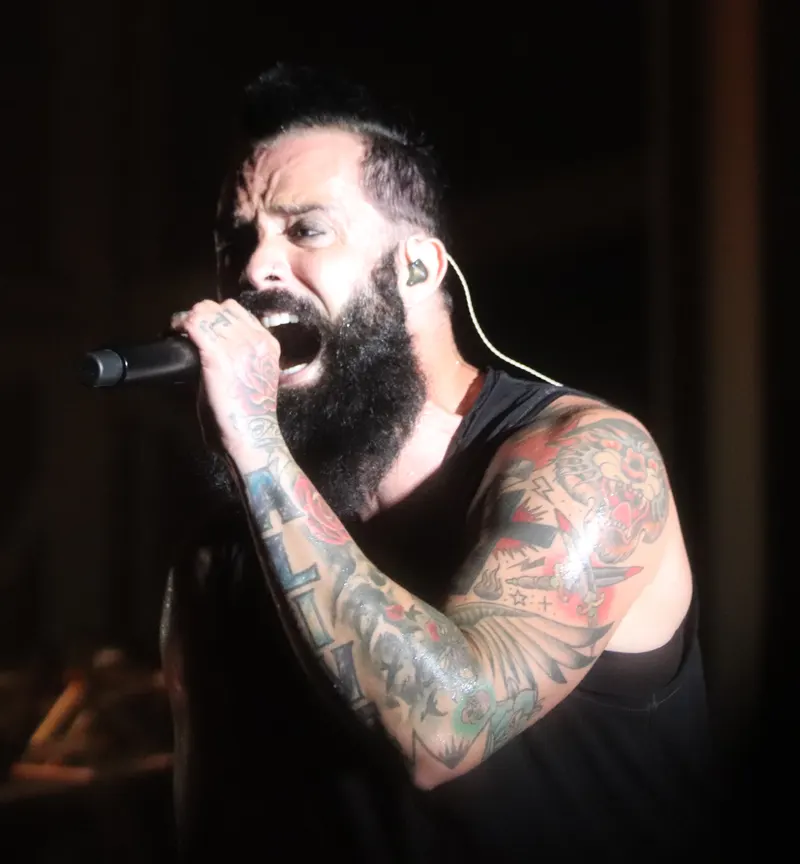
John Cooper, the voice of Skillet, spoke with Plugged In about his faith, his music, and his own struggles. The interview, written by Paul Asay, centers on the band's new EP, After the Storm.
Twenty years singing —and screaming— the gospel
Skillet has spent 20 years singing, and screaming, about the gospel. Cooper has been the driving presence behind the band since its beginning and hasn't softened. According to Plugged In, that same energy can also run in directions that aren't healthy.
It's worth reading that line twice. The force that sustains someone for two decades is the same one that, without brakes, can take them to the edge. Applause doesn't heal the depths of the heart; sometimes it just covers it up for a while.
«Applause doesn't heal the depths of the heart; sometimes it just covers it up for a while.»
In the conversation with Asay, Cooper reviewed his upbringing, his music, and his faith. He also talked about his own struggles.
A "dark night of the soul" in the new EP
After the Storm is Skillet's new EP. Plugged In presents it as the band's most personal and emotionally vulnerable release in years, and places it in the dark night of the soul, the phrase that outlet takes from the Christian poet John of the Cross.
The image serves to name those stretches where anger, fear, and pain weigh more than you do. Cooper understands that feeling, and so do many of his listeners.
That's what interests me: a musician who says out loud what many people keep quiet in church, at home, or in the WhatsApp group. Music doesn't solve the problem, but it gives it a name. And what can be named can begin to be treated.
At 20, you hear these things differently. On social media everyone looks fine; the low is carried in private. That a band with two decades of history puts the topic on the table says something: faith doesn't require a permanently happy face.
What faith doesn't promise
It's common to think that a believer who sinks is failing in their faith. Scripture doesn't teach that. Sadness is not a lack of faith; it's part of living in a broken world. What we do with it does matter.
Elijah, after a terrible day, asked God to take his life; what he received was food, rest, and company (see 1 Kings 19). God didn't rebuke him for his exhaustion: He cared for him.
"The Lord is near to the brokenhearted and saves the crushed in spirit" (Psalm 34:18, ESV).
Praying helps, and talking to someone who knows about mental health also helps. The church is there to carry the one who is down, not to ask them to pretend.
Faith doesn't promise that everything will go well this week. It promises a company that doesn't leave when energy runs out. That hope doesn't depend on success or the next release. It depends on who holds the story.
If you're in a low place, don't carry it alone. Talk to a trusted adult, a health professional, or your pastor; if it's an emergency, call your country's emergency services. And tell me: what Skillet song has sustained you in a bad moment?