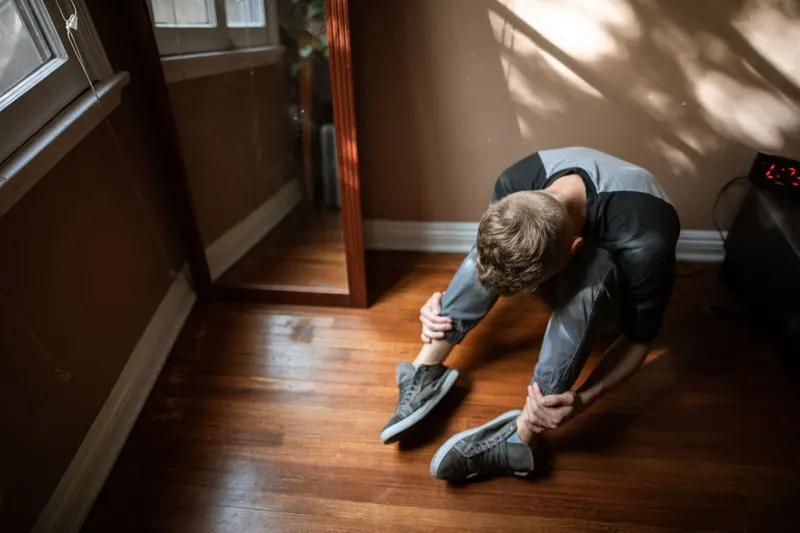
Half of Young People Have Moderate or Severe Anxiety
51.2% also show depressive symptoms, and nearly nine in ten with severe anxiety report loneliness, according to the Atalaya Foundation.

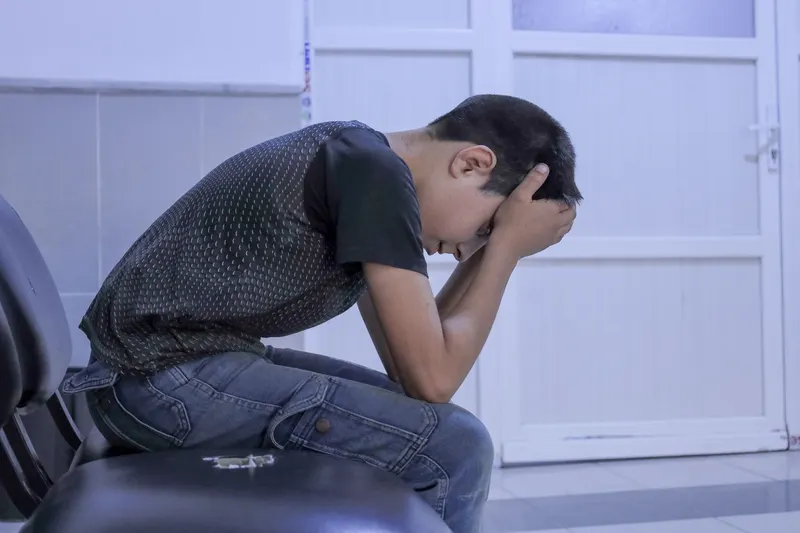
Half of young Spaniards have moderate or severe anxiety—49.2% of those between 15 and 29 years old—according to the Atalaya Foundation study presented on October 19 in Madrid and reported by Infobae.
Think about your phone chat at midnight. Someone writes that they can't take it anymore and deletes the message before sending it. That gesture doesn't show up in any graph, but it helps interpret the numbers: behind every percentage is a person still functioning on a reserve tank.
Loneliness weighs as much as the symptom
The report doesn't stop at anxiety. 51.2% of young people show moderate or higher depressive symptoms, such as fatigue, lack of energy, or sleep problems. Four in ten describe nervousness, worry, or difficulty relaxing.
«Limits are not sin»
The data point that stops me most is another one: more than half, 53.1%, live with moderate or severe levels of loneliness, and nearly nine in ten young people with severe anxiety report loneliness in that same range. The study also says it the other way around: greater social support coincides with fewer symptoms.
Severe levels are more present among women, in the 20–24 age group, and among those living in a low socioeconomic context. Adolescents aged 15–19 show more favorable profiles than those aged 20–24. Javier Urra, director of the study's scientific committee, stresses the need for early detection so that disorders do not become chronic or worsen.
A creature with limits, not a failed faith
There's an idea worth dismantling: that anxiety is a thermometer of faith. It isn't. A body that wears out and a mind that won't shut off speak of a creature with limits, and limits are not sin. Paul wrote it after asking three times to have a thorn removed: "My grace is sufficient for you, for my power is made perfect in weakness" (2 Corinthians 12:9, ESV).
The moderate or severe anxiety measured in this study is a clinical matter: it is addressed with mental health professionals. Praying and seeking therapy do not compete with each other; prayer does not replace the consultation, and the consultation does not replace communion with God.
The study insists on something we often forget: someone can be satisfied with their life and, at the same time, feel anxiety. In fact, life satisfaction rose to 36.1% this year, and the perception of one's own mental health went from 6.3 to 6.8 out of ten. Both things fit in the same life.
The concrete step this week
The report also portrays priorities: health, family, and earning money top the list; spirituality, volunteering, and religion come last. I read there a question for churches before a complaint about young people: if faith doesn't appear among what they value most, what are we offering?
Paul responds to a tired community: "Bear one another's burdens, and so fulfill the law of Christ" (Galatians 6:2, ESV). This week the step is small and concrete: tell someone you trust—a friend, a family member, your pastor—and, if the discomfort continues, seek a mental health professional. In an emergency, call your country's emergency services; to find a helpline near you, go to findahelpline.com.
Hope is not in having a life without cracks, but in not carrying them alone. Who are you going to write to today?