Bible in 5: Mark 6:7-13 — Two by two and with nothing
Jesus sent out the twelve without bread, money, or a spare tunic: what sustains the mission is still him.

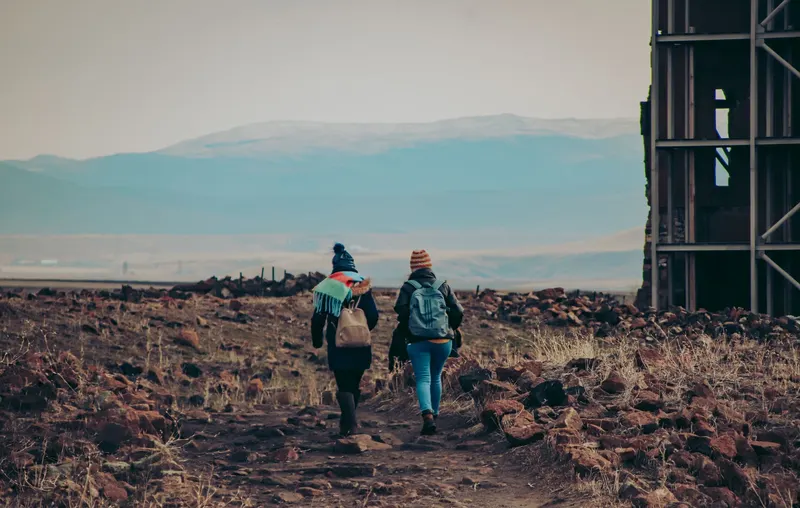
The Gospel of Mark tells how Jesus called the twelve and sent them out two by two (Mark 6:7-13, ESV). He did not allow them to take provisions: no bread, no bag, no extra tunic.
The sending happens between two rejections
Mark wrote the shortest of the four Gospels. Since ancient times it has been associated with John Mark, who was close to Peter's preaching. His audience was not Jewish and lived far from Palestine, perhaps in Rome, around the years 50 to 65.
Just before, in 6:1-6, Jesus teaches in the synagogue of Nazareth and his own people take offense at him; they call him "the carpenter, the son of Mary" (Mark 6:3, ESV). Later, the twelve return and report to him what they did (see Mark 6:30). In between, Mark tells how Herod had John the Baptist beheaded (6:14-29).
«Power does not travel in the backpack»
The first missionary sending begins, then, between the rejection of a town and the violence of a king. No one goes out to preach on neutral ground.
What this sending reveals about God
The verbs belong to Jesus. He calls, he sends, he lends the authority: "And he called the twelve and began to send them out two by two, and gave them authority over the unclean spirits" (Mark 6:7, ESV). A messenger with borrowed authority does not take ownership of the message; he represents another. Paul will say it later: we are "ambassadors for Christ" (2 Corinthians 5:20, ESV).
The content was not their invention either: "So they went out and proclaimed that people should repent" (Mark 6:12, ESV). Repentance is not paid as a fee to earn God's favor; it is the turn that he produces when his Word arrives. That is why it is announced calmly and without pressure.
The luggage stayed home by his instruction (see Mark 6:8-9). Not because poverty is holy, but because power does not travel in the backpack. God raises up homes that open their door to his messengers, and that house is part of the mission (6:10).
Rejection was also anticipated: shake off the dust and keep going (6:11), without fighting or revenge.
Go out with a name
Many of us say "not yet." When I have the degree, the job, the papers, more Bible read, then I'll talk about Jesus. The twelve went out without any of that: they went out with what they had seen and heard.
Three concrete steps. First, don't go alone: ask someone from your church to accompany you to pray for a friend, to visit a sick person, to invite a cousin. Second, expect rejection without dramatizing it; don't let mockery make you bitter with your family or harsh with your coworkers.
Third, put your hands before your speech: accompany someone in treatment, take food to someone who lost their job, open the door to someone who just arrived from another country.
Before Sunday, write down a name and a possible action. Write them where you can see them. Then go out, even if the result is not what you imagined: he sends you to obey, not to manufacture results; the harvest belongs to him.
What is your pending condition for talking about Jesus, and whom would you ask to walk with you this week?




