Bible in 5: Mark 6:45-52 — It is I, do not fear
The disciples row all night against the wind; the same one who broke the bread comes walking on the water.

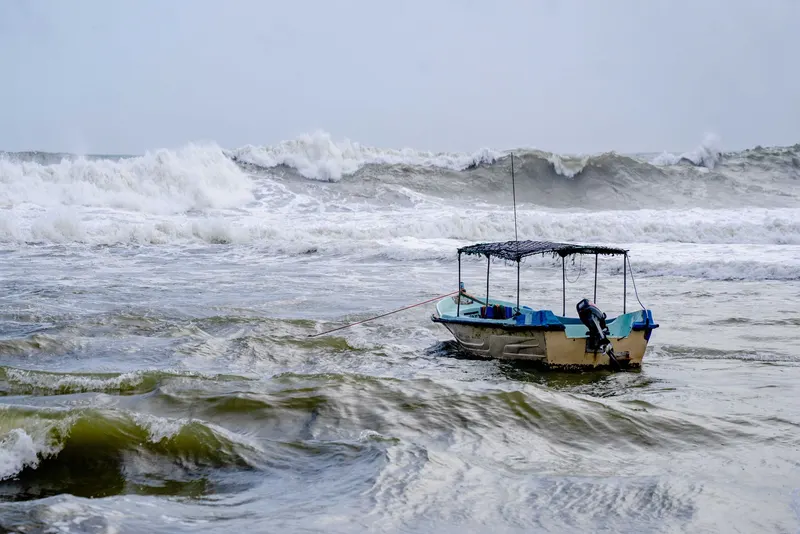
Mark 6:45-52 tells of the longest night of the disciples. It is narrated in the Gospel of Mark, the shortest of the four, and its center is a voice over the water: "Take heart; it is I. Do not be afraid."
Bread broken and a boat against the wind
Shortly before, Jesus had fed more than five thousand people with five loaves and two fish (Mark 6:30-44). The disciples were there. They had also seen him calm a storm, two chapters earlier. In verse 45 he sends them across to Bethsaida while he dismisses the crowd.
The wind hits them head-on. They row all night, and the evangelist notes that they were "straining at the oars" (Mark 6:48, ESV). Near dawn Jesus approaches walking on the water. They think it is a ghost and cry out in fear. He responds, gets into the boat, and the wind stops.
«He goes toward the one who rows, speaks first, and gets into the boat.»
The early church linked this gospel with Peter. Papias, quoted by Eusebius of Caesarea, said that Mark carefully recorded what his teacher remembered, without following a strict order. The book was written for believers of pagan origin and is usually dated between AD 50 and 70.
The "I am" that echoes Exodus
Jesus' response translates the Greek egó eimi. It could be heard as a simple "it is I," but it echoes the name God gave Moses at the burning bush: "I AM WHO I AM" (Exodus 3:14, ESV). In Job 9:8 it is said of the Lord that he "treads on the waves of the sea." Mark lets it resonate, without explaining it.
The passage also answers from the other side: "for they did not understand about the loaves, but their hearts were hardened" (Mark 6:52, ESV). The hardness was not only on the shore. It was inside the boat, in men who minutes earlier were distributing multiplied bread.
There the gospel emerges. Grace is not received by having understood well. He goes toward the one who rows, speaks first, and gets into the boat. Astonishment comes later; it is not the entry requirement.
When they land at Gennesaret, the people of the region bring the sick on stretchers and beg him to touch at least the fringe of his garment (Mark 6:53-56).
Your fatigue is also the place where he arrives
If you study and your grades don't go up, if you send applications and no one answers, or if at home nothing changes, you have something in common with those men: you row when there is no strength left. The story does not say they let go of the oars to deserve help. They were still tired, and that is how he reached them.
Three concrete things. Do not measure his presence by your results: you can see a miracle and still be hard inside (verse 52). He speaks before you calm down, not when everything is already in order. And bring your weariness, not your performance.
This week, tell someone you trust what you never say in front of others, or start the day by reading this passage in the Bible.
What is the storm that has you rowing today, and what is it hard for you to believe that he arrives in the middle of it, not when it is already calm?




