You Owe and Stay Quiet: The Debt That Steals Sleep
The Health Foundation found moderate or high anxiety in 63% of people with problem debt, Blu Radio reported.

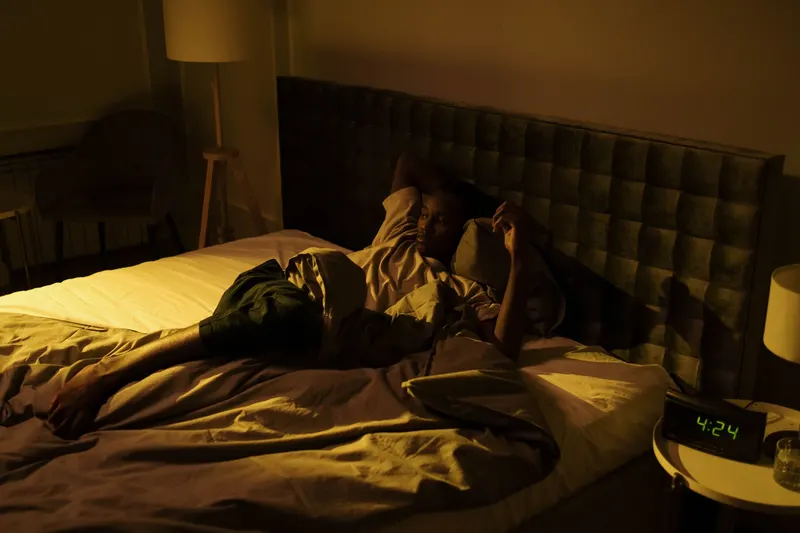
At 2 a.m., the bank app lights up your screen. You owe, and you keep quiet. That debt keeps you up at night: Blu Radio reported that The Health Foundation found moderate or high anxiety in 63% of people with problem debt.
The data doesn't say you should feel judged. It says silence has a cost. Anxiety is not a spiritual failure or a sign of little faith. It is a human response to real pressure. And the pressure grows when nobody knows what's going on.
The first card and the promise of "later"
The first card arrives with a friendly promise: buy now, pay later. The "interest-free" messages come too, along with the button that turns something you want into an installment. For a young person between 16 and 30, juggling school, work and life between two cultures, that promise can sound like relief.
«Peace doesn't come when everything is paid off, but when you stop carrying the number alone.»
Sometimes it is. Other times, it becomes a chain of payments that won't let you sleep. Scripture doesn't treat debt as an automatic sin. It doesn't make it an untouchable spiritual topic either. Proverbs 22:7 describes a hard reality: "The rich rules over the poor, and the borrower is the slave of the lender" (Proverbs 22:7, ESV).
The obligation exists. Ignoring it doesn't cancel it. Grace doesn't erase bills; it can, however, take away the fear that paralyzes you.
Keeping the debt quiet seems to protect you. In reality, it leaves you alone with the anxiety. If you don't tell anyone the balance, your mind fills the gaps with worse scenarios. What if it's not enough? What if they call you? What if your family finds out? Silence turns a number into a threat.
What you can do this week
You don't need a complete solution today. You need one honest first move. Grab a sheet of paper or a note on your phone and write down the exact figure: what you owe, to whom, by what date, and how much your minimum payment is. Seeing the number hurts, but it takes power away from the noise.
Then tell one person you trust. Not just anyone who will shame you, but someone who will help you think: a relative, a serious friend, your pastor or a health professional. If anxiety is getting the best of you, seek professional help.
In an emergency, call your country's emergency services; at findahelpline.com you can find the helpline for your country.
You can also review your upcoming payments and separate what is essential from what can wait. It's not magic or a prosperity formula. It's stewardship: managing what you have with honesty, without hiding it.
If you read "Cuando el dinero no alcanza" (When the money isn't enough), this is a conversation that continues: not having enough money hurts, and talking about it with someone can keep the pain from turning into isolation.
Peace doesn't come when everything is paid off, but when you stop carrying the number alone. "Cast your burden on the Lord, and he will sustain you; he will never permit the righteous to be moved" (Psalm 55:22, ESV). That is a place to start, not an excuse to avoid paying.
This week, put the number in writing and tell someone you trust. What scares you more: the number, or someone knowing it exists?