Where does digital infidelity begin?
A 2 a.m. 'like' doesn't break a relationship; what breaks it is what you choose to hide.

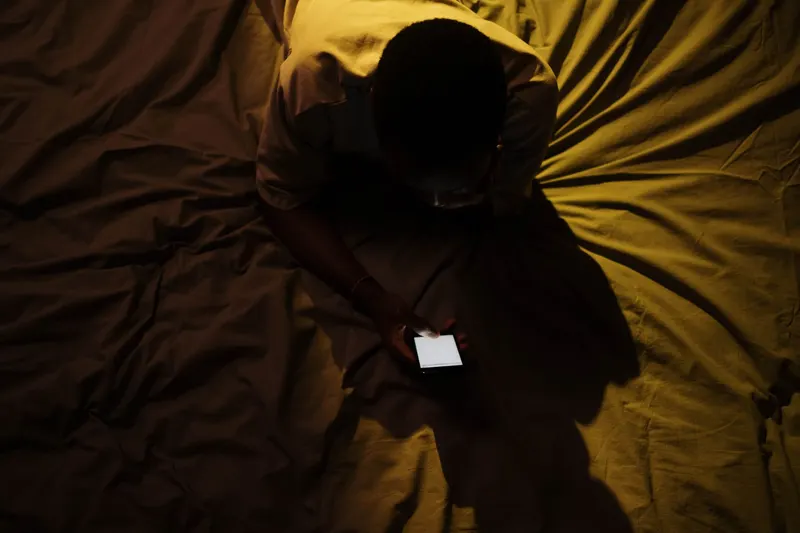
It's 2 a.m. and a 'like' doesn't break anything. What breaks is what it hides. Digital infidelity almost never starts with a kiss: it starts with a message you delete before going to sleep.
The problem isn't the app
Social media didn't invent sin. It just gave it more doors. Flirting, the conversation that drags on, the emotional bond that grows behind the screen: none of that is new. What changed is that now you can sustain something parallel from your phone, at any moment, without anyone noticing.
What used to happen on a street now happens in an archived chat. And sometimes what hurts most isn't a kiss, but having told your whole life to someone who isn't your partner.
«What breaks is what it hides.»
That's why the question isn't 'what app do you use?' but 'what are you hiding?' What comes out on the screen was already inside. Proverbs 4:23 says: 'Keep your heart with all vigilance, for from it flow the springs of life' (Proverbs 4:23, ESV). And there's something the Bible doesn't negotiate: God sees what you deleted. Not to crush you, but because nothing in your life is indifferent to him. He is sovereign over your phone too.
Agreements, not spying
Here comes the uncomfortable part: many couples never talked about this. They assume both understand fidelity the same way, and that's not true. One thinks that liking strangers' posts is a fault; the other sees it as something without weight. Neither is lying: they just never talked about it.
The way out isn't checking the phone. Spying doesn't build trust, it buries it. Trust is a gift you give, not a file you audit. When you watch, you already start from suspicion, and that also breaks what you want to protect.
Privacy isn't the enemy of love. Each person has the right to their own space. The difference is in the motive: not telling something because you want intimacy isn't the same as not telling it because you know it's wrong.
Sit down and talk. What goes in and what doesn't? Do 'likes' have a limit? Do you share chats? There's no universal answer, but there is one rule: the other person deserves dignity, not control. And what you hide because you know you wouldn't do it in front of her has already crossed a line.
Confessing and forgiving is for the brave
Maybe you read this and something moved inside. There's a conversation you haven't had. A chat you deleted. A curiosity that became something more, and now you carry it in silence.
Guilt doesn't heal; grace does. 'If we confess our sins, he is faithful and just to forgive us our sins and to cleanse us from all unrighteousness' (1 John 1:9, ESV). That includes the digital. Nothing you did on your phone takes you out of his love.
Confessing to God is the first step. Confessing to your partner is the second, and it requires courage. Don't come with a list of accusations; come with honesty: 'this happened to me, this I hid from you, I want to rebuild trust.' If you're the one receiving that confession, respond with the same grace you also need.
A relationship that only survives because no one checks anything is a truce. A relationship that breathes because you talk for real, that one grows.
This week, before going to sleep, take 20 minutes and agree together on what goes in and what doesn't on social media. Not to watch each other, but to care for each other. Fidelity doesn't live in the 'like': it lives in the heart you decide not to hide.
Have you talked about it yet?