Two out of three fail the Bible quiz
A Lifeway Research survey of more than 2,000 churchgoers found gaps in Bible characters, books and the order of the biblical story.

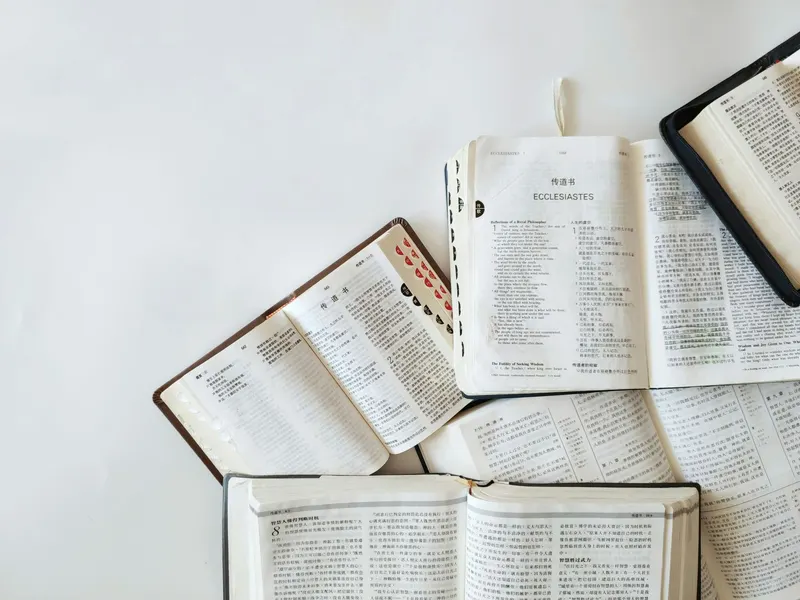
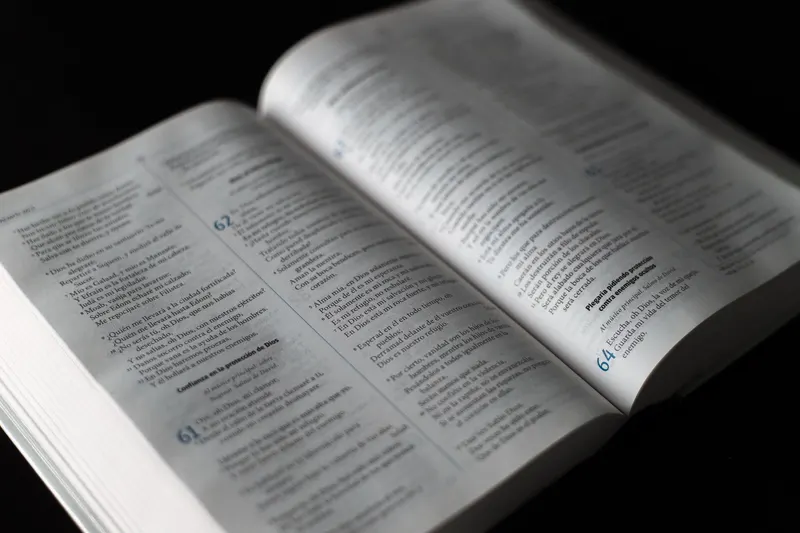
Who was Israel's first king? More than half didn't know in the Bible quiz that Lifeway Research gave to more than 2,000 Christians who attend church monthly, published by The Gospel Coalition.
Two out of three failed. The questionnaire wasn't looking for scholars: it measured eight basic areas, including characters, passages, events and divisions of Scripture.
Simple questions, blank answers
Forty-four percent didn't recognize Mark as one of the Gospels. Two out of three believed Hezekiah is a book of the Bible, and 44 percent thought the same of the Gospel of Thomas. Only 11 percent could put four major Old Testament events in order, and 27 percent could do so with four from the New Testament.
«A faith that feeds only on other people's clips never puts down roots of its own.»
None of that is trivia for scoring points. It's the map falling apart. If you don't know what a Gospel is or in what order the story unfolds, you can't see what God is doing in it either. And if faith rests on loose clips, any wind can move it.
The problem is in discipleship, not entertainment
In 2024, Lifeway Research surveyed 2,620 Protestant pastors. Fifty-two percent said they were satisfied with their church's spiritual formation, but only 29 percent assess whether people are making progress. Eighty-nine percent said their main method is the sermon, 20 points ahead of the second, the adult Sunday school class. And 95 percent said discipleship isn't completed in a program but in a relationship.
Jen Wilkin, author of the article at The Gospel Coalition, compares the sermon to a school where the teacher talks and nobody practices. She also notes that many of us consume sermons, podcasts and devotionals that pick the verse that delivers a quick emotion. They aren't enemies of the faith. They simply can't do the work of sustained reading.
Someone to teach you to read
Wilkin points out that the church has faced something similar before. Sunday school was born in the late 18th century to teach literacy to children working in factories, and Christians led the way in teaching when almost no one could read. Her proposal is to return to the old way: spaces devoted to teaching the Bible, with a clear plan for what is taught and in what order, and a better question than "what do you want to learn?" Lifeway also published a 25-question diagnostic so a small group or a class can measure itself.
What no survey can say is this: Scripture is the book God uses to form his people (see 2 Timothy 3:16-17). It isn't reference material for settling quick doubts; it's the voice that corrects, teaches and equips. Jesus said it to people who thought they were experts: "You search the Scriptures because you think that in them you have eternal life; and it is they that bear witness about me" (John 5:39, ESV).
A faith that feeds only on other people's clips never puts down roots of its own. So here's the step: pick a Gospel (Mark is a good start) and read it all the way through in 30 days with someone else. Gather two or three people, set a day and time, and talk about what you don't understand. Thirty days won't make you a theologian, but they'll give you the book back.
What holds you back: lack of time, lack of desire or not knowing where to start? Tell us, and share this story with someone you can read it with.