They write to buy what you sell: how they rob you
The friendly buyer who insists on a video call with screen sharing isn't after your product: he's after your account.

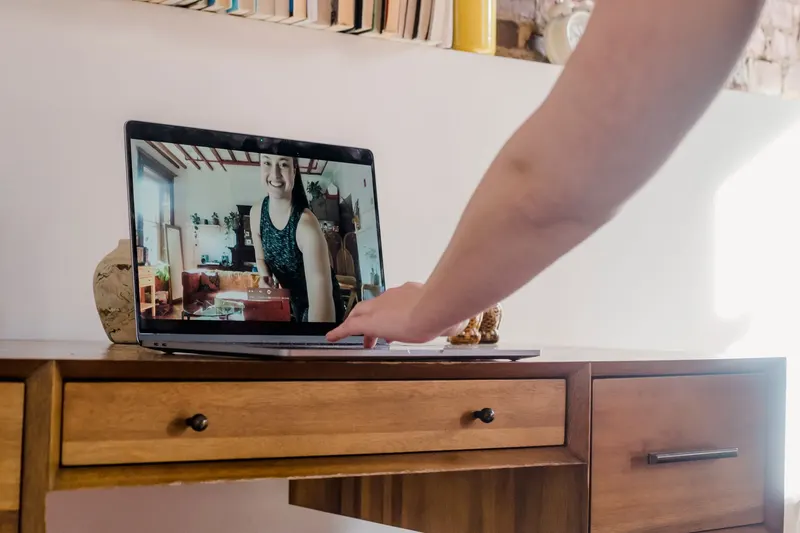
Close the deal already: that's what you want when someone writes to buy what you're selling. Posting on Marketplace or in WhatsApp groups is normal to sell a phone, some sneakers, or the family car.
The script of the friendly buyer
The scammer doesn't want your car or your sneakers. He wants to get into your bank account and, while he's at it, your WhatsApp: your chat is the door to your contacts' money.
The first message is usually flawless. Good spelling, the price accepted without haggling, and even an offer to pay for shipping. Then comes the request: "Can you do a video call to see the product?" And in the middle of the call, another: share your screen.
«Shame is the scammer's best ally: while you stay quiet, he keeps writing to others.»
There's the trap. While you move your phone to show the item, the other person sees what appears: notifications, verification codes, balances, the name of your bank. With that, he can get into your account or take over your WhatsApp.
Another version of the same script: they tell you they deposited too much and ask you to return the difference to another account. When the first deposit turns out to be fake, your money is already gone and won't come back.
"The simple believes everything, but the prudent gives thought to his steps" (Proverbs 14:15, ESV). The prudent one isn't the most distrustful, but the one who checks before acting.
Haste is the tool
The whole script rests on one thing: that you decide quickly. "I need it today," "I'm already out of town," "my accountant does it in five minutes." Haste shuts down judgment, and without judgment anyone accepts what they wouldn't accept calmly.
Five rules that save you the problem:
- Never share your screen with someone you don't know. Not for a sale, not for a "verification."
- Don't dictate or forward verification codes. No bank asks for them via chat.
- Don't install remote support apps because the buyer "is going to help you."
- Payment is confirmed in your own app or at your bank, never on the receipt that arrives via WhatsApp. A file can be edited in two minutes.
- For delivery, a public spot and daytime. If it's a car, better in front of a camera or at a dealership.
Falling isn't shameful
If it already happened to you, you're not stupid. Shame is the scammer's best ally: while you stay quiet, he keeps writing to others. Call your bank immediately, change passwords, notify your contacts, and file a report. And tell someone you trust; carrying that alone weighs more.
Prudence doesn't mean suspecting everyone. It means taking good care of what God gave you: the job you paid for that phone with, the car your family uses, the account that supports your month. Managing that is stewardship, not selfishness.
And if you fail to take care of it, grace is still grace. A scam doesn't make you less before God or kick you out of His family. It's worth saying out loud, because the fear of shame does more damage than the loss.
Jesus sent His disciples with an instruction that works for a chat: "be wise as serpents and innocent as doves" (Matthew 10:16, ESV). Wise when negotiating, innocent when dealing with people.
Today, before posting anything else, turn on two-step verification on your WhatsApp and check that your banking notifications don't show balances. It's two minutes that prevent months of paperwork.
What would you do if tomorrow the friendly buyer asks you for the video call? Tell me in the comments.




