Religious freedom in Nicaragua back in public debate
La Prensa, from Nicaragua, headlines its latest report on religious persecution and the government's fear of the church.

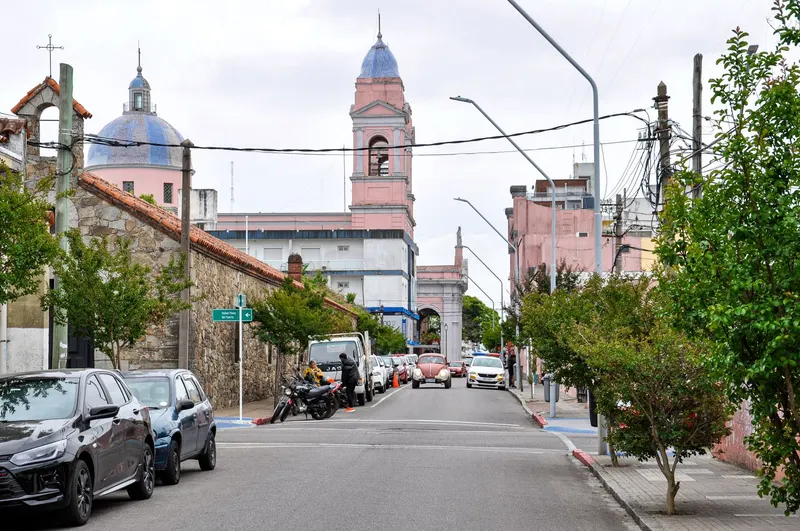
A publication by La Prensa, a Nicaraguan outlet, addresses religious freedom in Nicaragua with a blunt headline: "Religious persecution in Nicaragua: Ortega fears the Church."
That headline attributes to Daniel Ortega's government a fear of the church and frames the country's situation as religious persecution. So far, no official position from the Nicaraguan government on that publication has been announced.
What international law says
Article 18 of the Universal Declaration of Human Rights recognizes freedom of thought, conscience, and religion. That right covers believing, not believing, changing conviction, gathering, and teaching.
«The church belongs to Christ before a flag.»
The International Covenant on Civil and Political Rights, which Nicaragua ratified, protects the same freedom. Its limits are exceptional: they apply only if a law establishes them and if they are necessary to protect public safety, order, health, or morals, or the rights of others.
That balance—broad protection, counted restrictions—is the yardstick by which reports on the topic are measured. It is not enough for a State to say it acts within the law; nor is it enough for a media outlet to speak of persecution. Verifiable facts and voices from both sides are needed.
Persecution and regulation are not synonyms. A law that orders procedures can be legitimate; one that punishes faith is not.
In the United Nations system, there is a special rapporteur on freedom of religion or belief. It receives reports from individuals, churches, and organizations, and publishes conclusions by country. It is a peaceful and documented way to denounce restrictions.
Two readings of the same case
One reading, the one published by La Prensa, interprets the tension between the State and the churches as persecution and attributes it to the government.
The other reading is legal: a State can require religious organizations to meet legal requirements, as long as those rules do not discriminate or extinguish freedom of conscience. The line between regulating and persecuting is crossed when a person cannot believe, gather, or serve without punishment.
A complete note on a political fact carries at least two voices: the one who denounces and the one who responds. In this case, the official response has not yet been announced.
What the church can do
Paul asked to pray "for kings and all who are in high positions" (1 Timothy 2:1-2, ESV). Praying for a ruler is asking that they do justice and that the church live in peace; it is not endorsing their administration.
There is also a clear limit: "We must obey God rather than men" (Acts 5:29, ESV). When a rule asks to deny the faith, conscience is not negotiable. That does not authorize violence or insults.
Before sharing a video or a message about Nicaragua, check who signed it and its date. Rumors harm as much as censorship. Accompany those who suffer and avoid turning the pulpit into a partisan platform.
The church in Nicaragua, and the church in any country, belongs to Christ before a flag. That is the only title no one can take away. This week pray for Nicaraguan believers, write to someone who lives there and ask how they are. If there are brothers and sisters from that country in your church, ask them to tell you how to pray. Religious freedom exists to protect consciences.