Thousands of Quechua-Speaking Believers to Worship in Huaraz
More than 5,000 Quechua-speaking believers are preparing to worship God in Huaraz, Peru, Impacto Evangelístico reported.

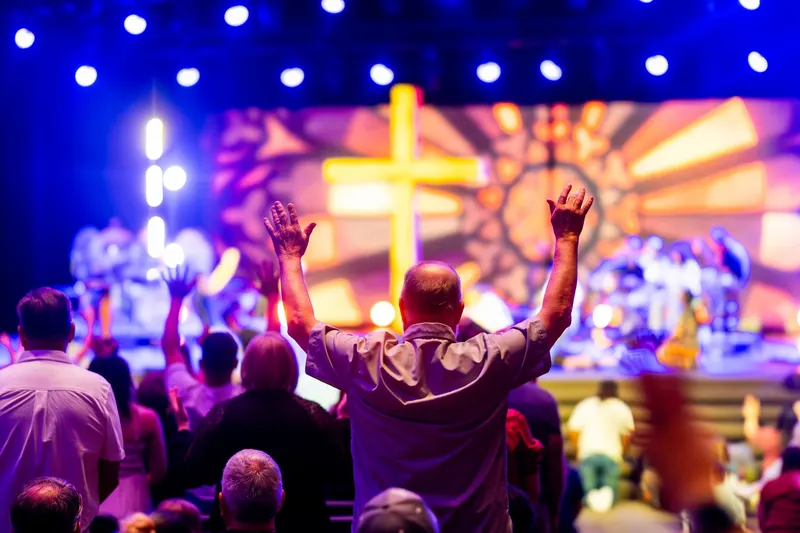
More than 5,000 Quechua-speaking believers are preparing to worship God in Huaraz, Peru, according to Impacto Evangelístico. The report touches on something many congregations treat as settled: what language we pray and sing in.
Worshiping in the Language You Were Born Into
At Pentecost, the miracle had an accent. The people gathered in Jerusalem didn't hear one single religious language: they heard their own. "And how is it that we hear, each of us in his own native language?" (Acts 2:8, ESV). Nobody had to translate in their head to understand the gospel.
That detail matters. Faith enters through the mind and through the heart in the words of home: the ones used at the table, the ones that come out when there's no strength left for anything else. When a congregation prays only in the majority language, those who speak another language sing without understanding and believe while feeling like guests.
«No language is left out when God's people gather»
That more than 5,000 Quechua-speaking people are preparing to worship God in Huaraz is not a statistic to file away. It is a simple reminder: no language is left out when God's people gather.
A Church That Welcomes, Not Just Allows
There is a difference between allowing and welcoming. Letting someone speak their language in a corner of the building is not the same as giving it a place in congregational prayer, in singing and in teaching. The second costs something: it takes schedules, translations, patience and giving up the belief that the majority language is the neutral one.
Scripture doesn't treat language as decoration. John describes heaven with "a great multitude that no one could number, from every nation, from all tribes and peoples and languages" (Revelation 7:9, ESV). That scene doesn't erase languages: it gathers them. If eternal worship will be multilingual, today's church can start rehearsing it.
You don't need a big ministry for that. All it takes is one decision: asking who is sitting next to you and in what language they think, pray and dream.
When Your Language Isn't the Church's
For many young Hispanics, faith and language are tangled together. You pray in one language at home and work in another; you sing in one and cry in the other. Sometimes the church reinforces that divide without meaning to, as if there were only one right way to approach God.
The Pentecost story says the opposite. God chose to speak in each person's language, not in the language of those with the most education. If the Holy Spirit had no problem with the accents of the diaspora, you don't have to hide yours either.
And there is a practical consequence: your mother tongue can also be used to serve. You can read the Bible aloud with an older person who no longer follows the language of their children. You can sign up to translate an announcement or a conversation. You can pray with a friend in the words that come from his heart.
What's happening in Huaraz points to something bigger: God gathers his people from every language. This week, pray once in the language you learned first and ask God to make your church a home for those who speak differently. Who near you needs to hear the gospel in their own language?