Price Crisis Adds Pressure to Persecution
The IMF and the World Food Programme warn that pricier food and fuel raise the risk of social unrest.

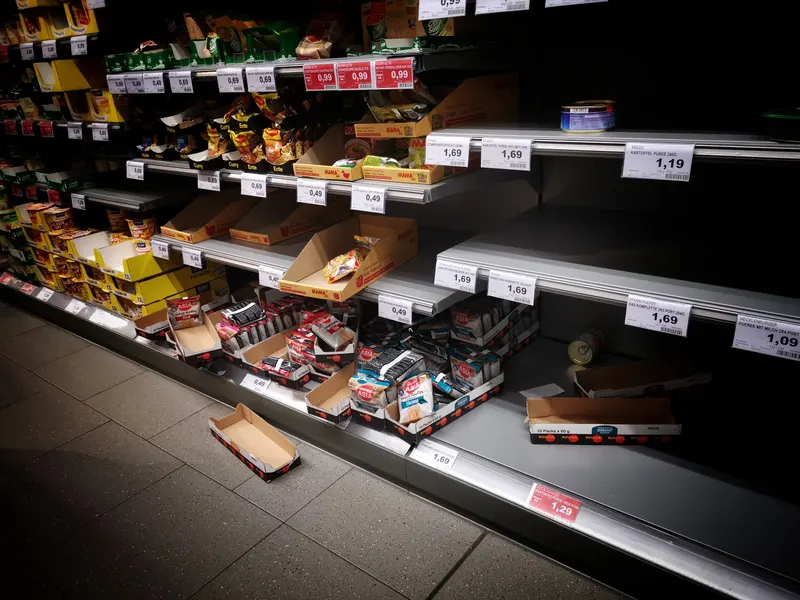
Samuel changed the prices in his shop three times in one month. He is a Christian merchant in Punjab, Pakistan. His story opens the third installment of International Christian Concern's series on the price crisis and persecution.
His shelves hold rice, cooking oil, flour, soap and bottled drinks. For years, almost all of his customers were familiar neighbors: Muslim and Christian families shopping side by side, kids stopping for a snack on their way out of school, and people who take their groceries on credit and pay when they get paid.
Lately almost everything costs more. The truck that brings the goods charges more because fuel went up; the wholesaler is adjusting his prices too. Customers complain about the rice, the oil and the flour. Some ask for more credit. Others accuse shopkeepers of taking advantage of the crisis.
«In a tightening economy, faith shows in how you collect, how you pay and how you talk about the person who owes.»
One afternoon, a customer flies into a rage over an unpaid debt. The argument starts over money, not religion. Samuel knows, however, how quickly an ordinary fight can become dangerous for a Christian in Pakistan. Ruth, his wife, hears the raised voices from the back room and later tells him to let it go, that it isn't worth making anyone angry.
From a debt to an accusation
The price of fuel doesn't manufacture religious hatred, and food inflation doesn't by itself turn a neighbor into an enemy. What grows is frustration. And where a religious minority already lives on the margins, that pressure can be exploited by extremists, by political actors or by someone looking to settle a personal score.
In April 2026, the heads of the International Monetary Fund, the World Bank Group and the World Food Programme warned that disruptions in global energy markets are making oil, gas, fertilizer and transportation more expensive, and are worsening food insecurity in low-income countries that depend on imports. In July 2026, the IMF's World Economic Outlook report warned that prolonged increases in food and energy prices can raise the risk of social unrest and political instability in vulnerable economies.
The blasphemy law as a shortcut
Pakistan's blasphemy laws offer the clearest example. ICC reported in 2026 that Christians in that country are overrepresented in low-paid, dangerous jobs such as sanitation, sewer cleaning and brick kilns. It also documented accusations born of personal disputes that ended in arrests, violent mobs, destroyed businesses and Christian communities living in fear.
In July 2025, ICC reported on two Christian teenagers who were acquitted after almost two years of blasphemy charges; according to witnesses, it had all started with a minor argument. Human rights advocates cited by ICC have repeatedly warned that these laws are used to settle scores or to incite hostility against minorities. Jaranwala showed how far the damage can go: in August 2023, a false blasphemy accusation set off mob attacks that destroyed churches, homes and businesses.
Saleem and the cost of rebuilding
Saleem, a Christian from that community, fled with his family. When he returned, he discovered that he had also lost his job. ICC gave him a cow so his family could start another source of income.
Persecution explains the attack; recovery demanded much more than physical safety. The house and the neighborhood had to be rebuilt, food had to be bought and daily expenses had to be covered after the mob was gone. With fuel and food more expensive, that rebuilding weighs more. The pattern doesn't stop at Pakistan: in June 2026, the World Food Programme reported that higher fuel and food prices are putting pressure on vulnerable households in countries already burdened by conflict and economic instability.
That afternoon Samuel closed the metal shutters earlier than usual. Nothing happened: the argument ended and the customer left. Even so, Ruth checks the street before opening the door, and Samuel thinks twice the next time someone owes him money. Is collecting the debt worth the risk of provoking the wrong person?
Scripture puts money and how we treat our neighbor on the same ground: "Whoever oppresses a poor man insults his Maker, but he who is generous to the needy honors him" (Proverbs 14:31, ESV). In a tightening economy, faith shows in how you collect, how you pay and how you talk about the person who owes. Pray this week for the believers who are doing that math in fear, and review your own: when everything costs more, do the way you collect and the way you pay honor God?
Sources
- #persecución religiosa
- #Pakistán
- #crisis de precios
- #ley de blasfemia
- #International Christian Concern
- #iglesia perseguida