No Phones in Class, Still Anxious
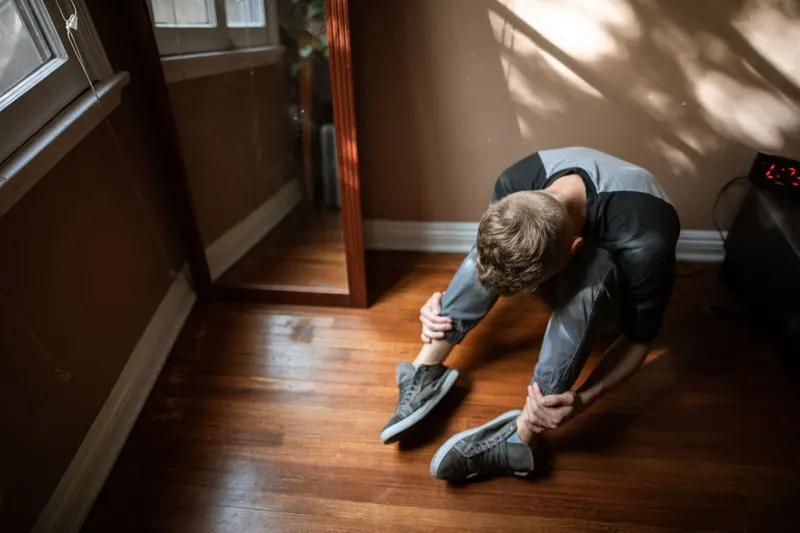
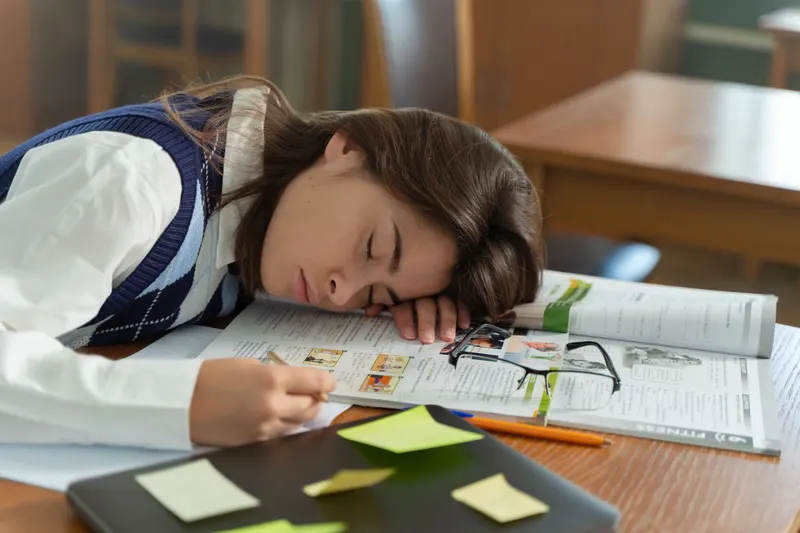
A study reported by El Sol de México found no improvement in students' mental health after a ban on phones during the school day.

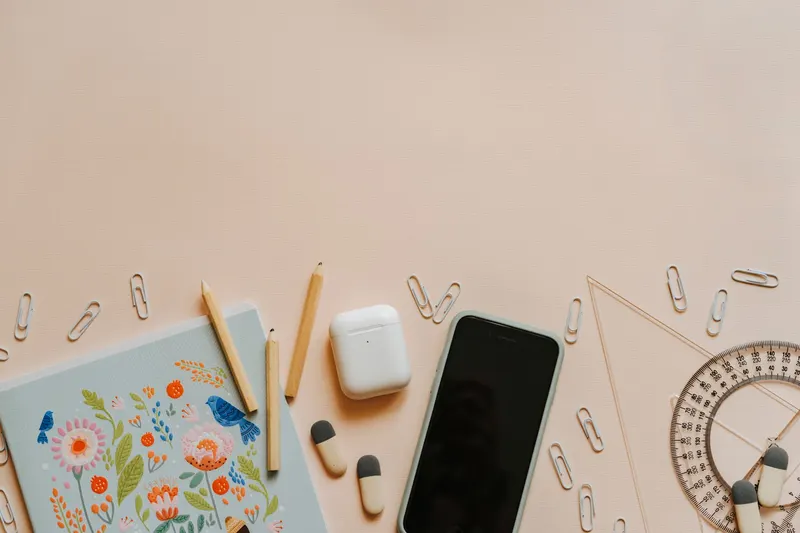
Phones were banned in class, and students' mental health did not improve. That is the finding of a study reported by El Sol de México: a rule does not fix a mood.
The finding is uncomfortable because it cuts against the easy way out: take away the device and assume the distress leaves with it. The phone is the symptom; the heart is the soil. Symptoms just move to another pocket when the cause is still inside.
It's worth being fair about what the study says and what it doesn't. It is known through El Sol de México's report; the authors, the journal and the sample size are not detailed, so the result reads as a signal, not a verdict.
«The phone is the symptom; the heart is the soil.»
It doesn't prove the opposite, either: the fact that a ban doesn't improve mood doesn't make the phone harmless. It's one thing for a rule not to cure; it's another for the device not to weigh on you.
What the rule can't reach
There is a very common fantasy: once I have the perfect schedule, the app that blocks social media and the screen-free bedroom, then I'll be okay. The rule arrives, the phone goes dark, and the restlessness is still there, now with no distraction.
Rules aren't pointless. They give order. They protect hours of sleep, sustain attention, look after the classroom. But a fence doesn't form character; it only marks how far you can walk.
What forms character is what happens at home when nobody is watching: how money is talked about, how people say sorry, whether someone listens without rushing.
In the home where banning seems like parenting, it's worth asking what is really being banned. Sometimes the phone is the only place where a child finds calm, or the only place where they find company. Taking it away without offering presence leaves an empty room.
The heart before the pocket
Scripture doesn't start with the device. It starts deeper in: "Keep your heart with all vigilance, for from it flow the springs of life" (Proverbs 4:23, ESV). That father's counsel to his son is not a list of prohibitions; it is a warning about what gets watered on the inside.
Paul presents it as a lifelong task: "Do not be conformed to this world, but be transformed by the renewal of your mind, that by testing you may discern what is the will of God, what is good and acceptable and perfect" (Romans 12:2, ESV). Renewing the mind is not turning off a screen for an hour. It is learning to judge what I see, to name what I feel and to decide before God.
A school rule can't achieve that. An awakened conscience can, along with a family that talks and a church that isn't afraid of hard questions. Freedom from the phone looks more like fruit than like a padlock.
A step that is in your hands
If your mood isn't improving and you've already tried rules, change strategy: find a person. A trusted adult, your pastor, your school counselor or a mental health professional. If you feel the situation is too much for you, call the emergency services in your country; in the directory findahelpline.com you can find the helpline that works where you live. Talking is not overreacting.
If all your home knows how to do is ban things, try a conversation instead of another argument. Say what happens to you with the phone in your hand, without defending it. What would you like your home to talk about, instead of just shutting things off?