Doctrine Doesn't Expire: 121 Pastors Offline
What a group of pastors debated for years still defines what you believe today, even if you've never opened their catechism.

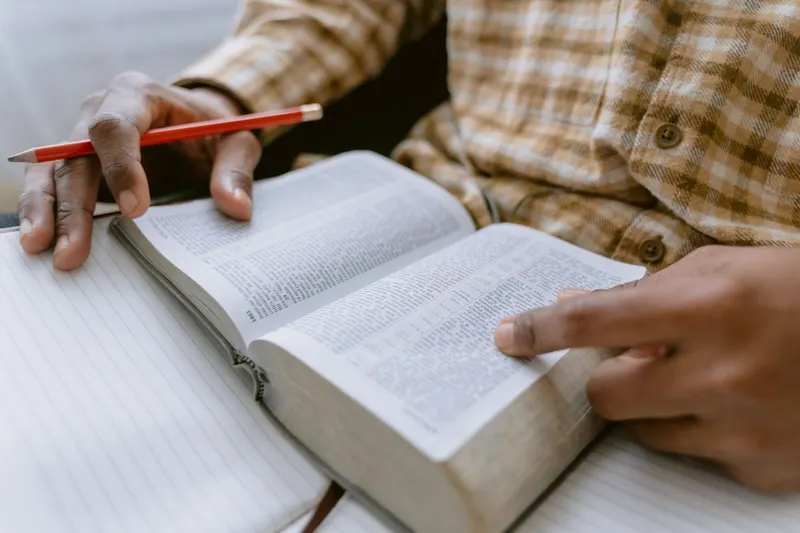
For years, 121 pastors met in a London abbey to debate the faith. No social media, no headlines, no likes. Out of that work came a confession and two catechisms that are still printed today. Doctrine doesn't expire.
A faith thought out loud
Today you consume doctrine in thirty-second clips. A content creator gives you one idea a day; a catechism gives you the whole map. The difference is like eating a candy bar on your feet versus sitting down to dinner.
Imagine the scene: a group of pastors dedicating entire days to a single phrase about grace. No one was writing to gain an audience or changing their mind based on the week's poll. That slow work produced something that withstood centuries. And that something reached your church.
«A good confession pushes you back to the Bible; it never pulls you away from it.»
Truth isn't voted on
Those men didn't invent doctrine. The church already had it in Scripture. They organized it, wrote it carefully, and left it out in the open for anyone to examine. That's what a confession does: it lays its cards on the table.
Listening to a teacher with a good reputation can help you. The problem starts when their voice takes the place that belongs only to Scripture. A faithful pastor will always tell you the same thing: open your Bible and check.
That's why a confession is never above the Bible. If a document contradicts the sacred text, the document is corrected, not the text.
The Word of God doesn't depend on the season or the country where you read it. Jesus said it plainly: "Heaven and earth will pass away, but my words will not pass away" (Matthew 24:35, ESV).
What changes over the centuries is vocabulary, not content. Your great-grandfather and you may use different words to say the same thing: God saves by grace, through faith, in Christ, and all the glory is his. That wasn't voted on in the 17th century, nor is it voted on today in your group chat.
A map for ordinary people
A good catechism serves ordinary people. The idea is simple: a young person, a worker, or a mother can answer in one sentence what they believe and why. Short questions, short answers, and the verses right there to verify each statement.
That custom has biblical roots: "All Scripture is breathed out by God and profitable for teaching, for reproof, for correction, and for training in righteousness" (2 Timothy 3:16, ESV).
A good confession pushes you back to the Bible; it never pulls you away from it. If a catechism saves you from opening the text, something went wrong. The goal isn't to repeat nice phrases, but to know God and live as his child.
This week do something small and concrete: pick a catechism, read one question, and look up the texts in your Bible to see if it's true. It's not to fight with other churches, but to know what you believe.
Your faith deserves to be understood, not just repeated. And I leave you with an honest question: do you know what catechism or creed your church uses and where it came from? Ask this Sunday and read some of it with your Bible open.




