Can I Ask ChatGPT About the Bible?
One in three adults puts AI's spiritual advice on the same level as a pastor's, according to Barna Group.

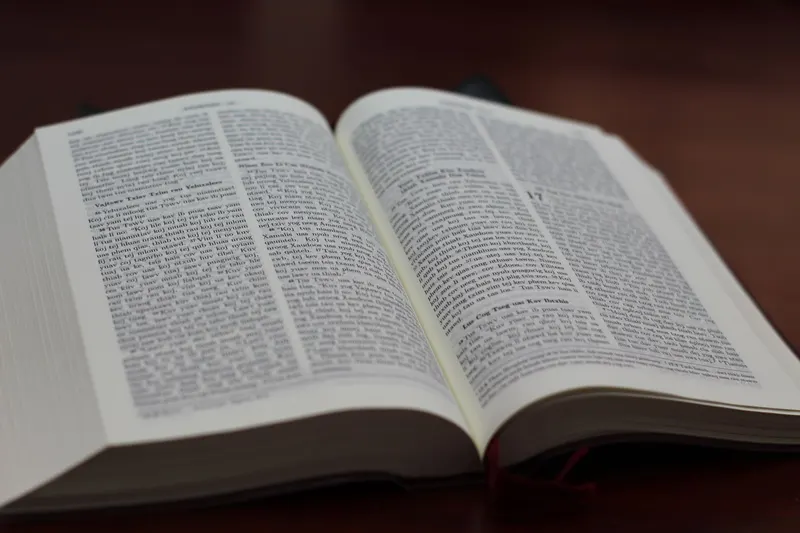
«Is it wrong to ask ChatGPT about the Bible when I don't understand a passage?» The question repeats in forums like r/TrueChristian and in small groups. Barna Group measured it in two 2026 studies.
The data surprises. Nearly half of practicing Christians in the United States (48%) would entrust their spiritual growth to artificial intelligence. One in three adults puts AI's spiritual advice on the same level as a pastor's.
Among the youngest, trust rises: 39% in Gen Z and 44% in millennials. Fear grows alongside it: 83% of practitioners fear AI will misread Scripture, and 94% of pastors share that fear.
«Wisdom is asked for; it is not downloaded.»
An uncomfortable detail: 26% of practitioners expect the tool to tell them which interpretation is the «correct» one, and only 10% of pastors want that. Evangélico Digital reported on October 11, 2026, that 40% of American Christians say AI helped them in prayer, Bible study or their spiritual growth.
No verse forbids it or blesses it
Neither artificial intelligence nor computers nor the internet appear in the Bible. Nor is there a text that condemns or endorses it, and saying otherwise is forcing the passage. What is clear is where authority lives.
«All Scripture is breathed out by God and profitable for teaching, for reproof, for correction, and for training in righteousness, that the man of God may be complete, equipped for every good work» (2 Timothy 3:16-17, ESV).
A summary can help. It cannot sit in that place.
The example of Berea: listen and verify
The Bereans heard Paul and neither believed nor rejected him outright: they went to the text.
«Now these Jews were more noble than those in Thessalonica; they received the word with all eagerness, examining the Scriptures daily to see if these things were so» (Acts 17:11, ESV).
That is the pattern for any teaching, including a generated answer. John repeats it: «do not believe every spirit, but test the spirits to see whether they are from God» (1 John 4:1, ESV).
The promise of being guided into all truth is for people, not programs: «he will guide you into all the truth» (John 16:13, ESV). An AI does not pray, does not know you and does not shepherd you.
Before opening the app, open prayer
James says it plainly: «If any of you lacks wisdom, let him ask God, who gives generously to all without reproach, and it will be given him» (James 1:5, ESV).
Wisdom is asked for; it is not downloaded. The psalmist speaks of a Word that lights the next step: «Your word is a lamp to my feet and a light to my path» (Psalm 119:105, ESV).
A language model writes with total confidence and still invents references, attributes quotes to people who never said them and mixes traditions. It is useful for data, historical context, languages or a quick review. Reading, meditating, praying, obeying and gathering are not delegated. Coalición por el Evangelio published ten questions to ask before using AI, and Ministerios Ligonier explains how to interpret Scripture without twisting it.
So no: asking does not condemn you. The issue is who you give the last word to. This week flip it: read the passage in your Bible, write down what you don't understand, pray, and then consult. If something doesn't line up, take it to your pastor or your small group. What do you do when a passage doesn't add up for you? Tell us in the comments.
Sources
- Barna Group: AI is Becoming a Spiritual Authority, Even Among Practicing Christians
- Barna Group: How AI Is Shaping Bible Interpretation
- Evangélico Digital: ¿Y si ChatGPT sabe más de la Biblia que yo?
- Coalición por el Evangelio: Usando sabiamente la IA
- Ministerios Ligonier: Interpretando correctamente la Escritura
- Bible Gateway: pasajes en Reina-Valera 1960




