Bible in 5: Mark 2:23-28 — The Sabbath Grain
Jesus teaches that the Sabbath was made for humanity's good and that he has authority over that day.

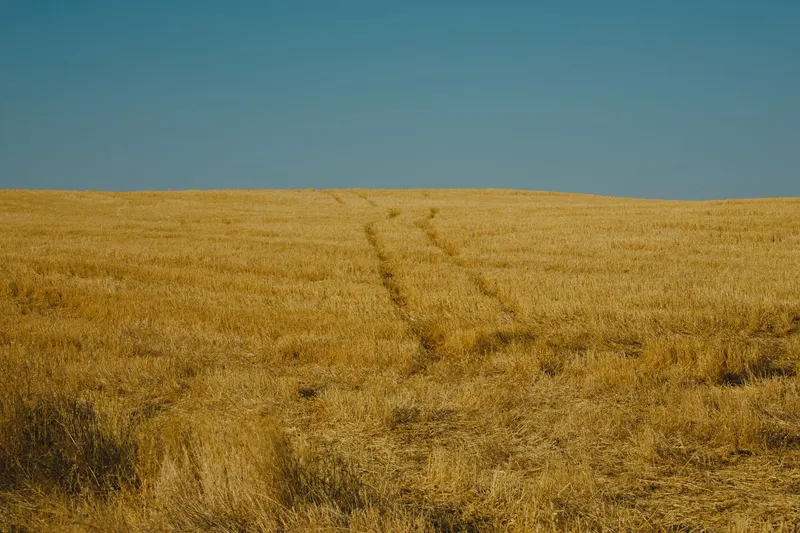
The Sabbath grain leads us to Mark 2:23-28. There the disciples cross a grainfield on the Sabbath, pick grain with their hands, and the Pharisees accuse them of breaking the law.
The accusation and Jesus' response
Picking grain with your hands wasn't theft in Israel; the law allowed it (see Deuteronomy 23:25). The issue was the day. By then, a body of rules called "the tradition of the elders" was taught alongside Scripture.
One of those rules put reaping among the forbidden works. That's why they ask: "Look, why are they doing what is not lawful on the Sabbath?" (Mark 2:24, ESV).
Jesus doesn't argue about whether David existed or whether the bread was sacred. He recalls that David, when hungry, entered the house of God and ate what only the priests could eat (see Leviticus 24:9).
Then he says: "The Sabbath was made for man, not man for the Sabbath" (Mark 2:27, ESV). And he adds: "So the Son of Man is lord even of the Sabbath" (Mark 2:28, ESV).
Rest is a gift that points to Christ
Rest is born in creation, when God blesses the seventh day (see Genesis 2:2-3). Later it becomes a commandment for Israel, with two reasons: creation and liberation from Egypt (see Deuteronomy 5:15).
It was also a sign that God sanctifies his people (see Ezekiel 20:12). It wasn't a prison of rules; it was a gift that said: God provides, God saves, God sets you apart for himself.
What Jesus confronts is the use of the day to watch and condemn. The Pharisees didn't love the Bible too much; they had replaced the Word of God with their own rules (see Mark 7:7).
That's why the Lord of the Sabbath can show that the rest he gives doesn't depend on a schedule, because it is himself. He invites: "Come to me, all who labor and are heavy laden, and I will give you rest" (Matthew 11:28, ESV).
How to live this out this week
First, look at your calendar. Many young people live between jobs, classes, shifts, and screens on until they fall asleep. Tiredness is not a medal.
If rest is God's idea, setting aside a real block of hours is an act of trust: the world isn't held up by your effort.
Second, don't confuse Scripture with added traditions. There are church rules the Bible doesn't command: music, clothing, the list of forbidden places.
Turning them into doctrine is what Jesus called commandments of men (Mark 7:7). But careful: "I desire mercy" (Hosea 6:6, ESV) doesn't mean everything that bothers you is human tradition. What God calls sin is still sin.
Third, rest in Christ and order your week from him. First-century believers gathered on the first day of the week to break bread (see Acts 20:7), and John calls it the Lord's day (see Revelation 1:10).
Gathering with your church isn't a lucky charm or a way to be liked. It's the space where you hear again that Christ paid your debt. If you work Sundays, find when and where to gather; don't isolate yourself.
This week choose an hour to truly stop and use it to be with Jesus. Not to earn points, but to remember that he already carried what you couldn't carry. What human rule is stealing the peace Christ already gave you?




