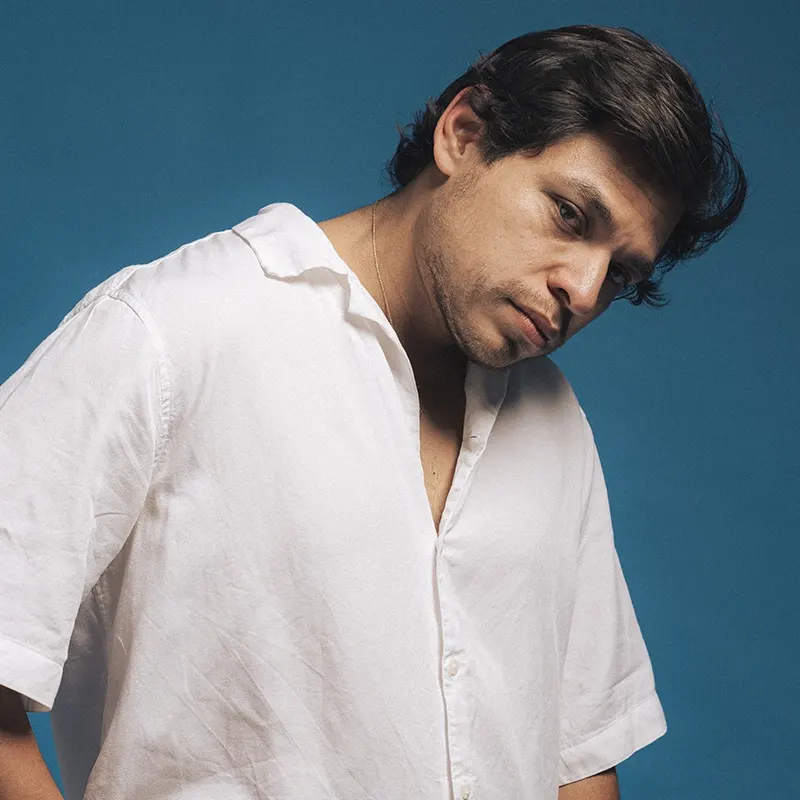
Barak Hits Spotify Top 20, Preps Album Iglesia
The song "Bondadoso Dios" is already among the platform's most-played songs, while Barak prepares its album Iglesia.

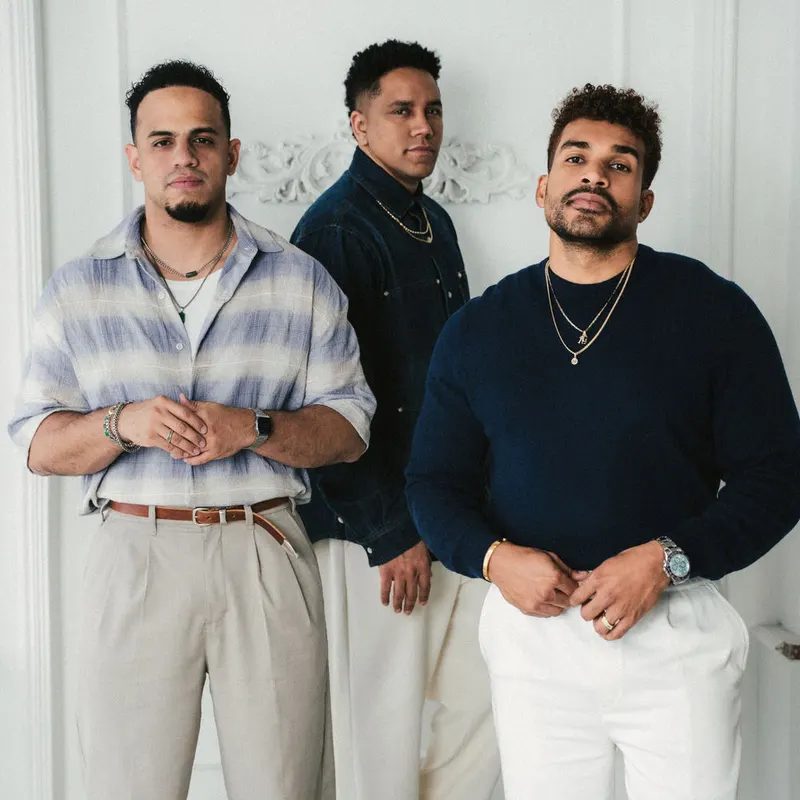
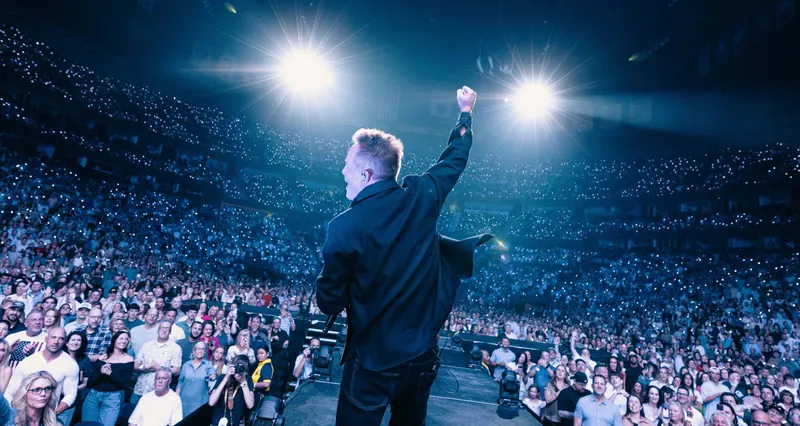
Barak reached Spotify's Top 20 with "Bondadoso Dios" and is preparing a new stage with its album Iglesia, Altar7 reported. A song people are already singing and an album on the way.
A high spot is shared in a screenshot and quickly forgotten. What lasts is what the song does in the one who listens: it puts them on the way to work, they repeat it before sleeping, they sing it with their congregation on Sunday. That doesn't fit in a ranking.
Barak isn't the first band to sing gratitude. What's striking is that this message keeps finding ears in an industry that rewards what shines and discards what doesn't sell. And that it's a song about God's goodness that's playing, not one about success.
«The firmest gratitude almost never springs from the best day of our life.»
What a ranking can't measure
Spotify counts plays. It doesn't count the times someone put on "Bondadoso Dios" because they couldn't find the words. It doesn't count the mom who sings it while cooking or the kid who hums it on the bus to class.
That's why it bothers me when we measure God with the standings. If we go up, God is good; if we go down, did He stop being good? His faithfulness doesn't depend on a list. "The steadfast love of the Lord never ceases; his mercies never come to an end; they are new every morning; great is your faithfulness" (Lamentations 3:22-23, ESV).
Those words are born in the middle of weeping, not applause. The firmest gratitude almost never springs from the best day of our life.
An album called Iglesia
The other detail is the name of the upcoming album: Iglesia. A word many use for a building, a brand, or an event. But the church is people: those who gather, sing off-key, forgive each other, and come back the next week.
When a band gives that name to its work, it's saying something: that its music belongs to a community, not just a platform. I wonder if the gratitude that plays in headphones also reaches the room where the brothers and sisters are. Singing alone is fine; singing accompanied sustains. No one endures faith on playlists alone.
For a young person living between two languages, a song in Spanish about God's goodness weighs differently: faith stops being an inheritance from grandparents and starts sounding like their own.
Gratitude when you don't feel like it
There are days with no desire to sing. Work, exams, bad news at home. There, gratitude stops being emotion and becomes confession: I say God is good even though today I don't feel it.
"Oh, taste and see that the Lord is good! Blessed is the man who takes refuge in him!" (Psalm 34:8, ESV). To taste is to try. Hearing isn't enough.
This week I propose something concrete. Listen to "Bondadoso Dios" without looking at its spot, and write down on your phone a difficult moment where today you can recognize God's goodness. Then tell someone in your church and ask them about theirs. On what hard day have you been able to say, truthfully, that God has been good?