Anxiety in youth: CIJ issues alert
The CIJ warned of a rise in anxiety and depression among young people in Sinaloa, according to debate.com.mx.

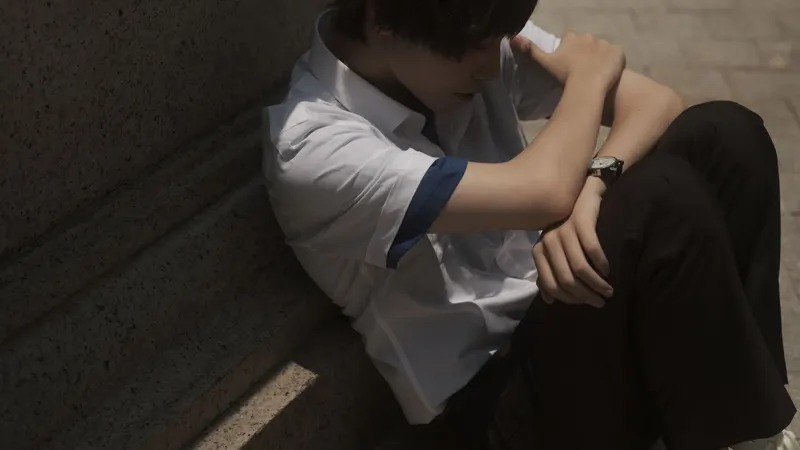
It's 2:00 a.m. and you're still awake going over the same thing. The CIJ warned about an increase in anxiety among young people in Sinaloa, reported debate.com.mx. It's worth facing that alert head-on.
An alert worth listening to
The warning comes from Sinaloa, and I wonder how many young people will read it and recognize themselves.
In church the topic often arrives with clichés: that it's a lack of faith, that you have to push through, that praying makes it go away. I think that doesn't comfort: it weighs more. Someone who no longer sleeps doesn't need another reminder that they're failing.
«Asking for help is humility, not defeat.»
Scripture doesn't treat anxiety as a shame to hide. It presents human beings as image of God: worthy and valuable, but also limited. There are bodies that get sick and minds that get sick, and that doesn't contradict faith.
Elijah collapsed under a tree, and the first thing he received was food and sleep before a new task (see 1 Kings 19:5-7).
Asking for help is not giving up
"The Lord is near to the brokenhearted and saves the crushed in spirit." (Psalm 34:18, ESV) Notice what it promises: nearness. It doesn't say the pain will go away tomorrow or that a well-chosen verse is enough.
Asking for help—from a friend, a pastor, a psychologist, a doctor—is humility, not defeat. Praying and receiving treatment don't compete with each other. Whoever says "I can't do this alone" is telling the truth about themselves, and the truth is a better starting point than the mask.
"My grace is sufficient for you, for my power is made perfect in weakness." (2 Corinthians 12:9, ESV) Paul writes that after asking three times for something painful to be taken away. The answer wasn't an immediate cure, but sufficient grace.
Two important cautions: no one diagnoses a friend in a coffee shop conversation, and no one replaces therapy with prayer. If someone tells you your anxiety is lack of faith, respond calmly: even the prophet needed bread and rest before continuing his journey.
What your church can do
A church that accompanies well doesn't need grand gestures, but consistency. Some concrete ideas:
- Listen without rushing to give advice. Sometimes the best contribution is to stay silent and present.
- Offer practical help: accompany someone to an appointment, cover a shift, notify a trusted adult when something looks wrong.
- Name the topic out loud. What isn't named gets hidden, and what's hidden grows.
- Preach without blaming. The pulpit isn't the place to point from above at someone who is already tired.
- Care for those who care: youth leaders, teachers, and pastors also get exhausted.
And clear boundaries: if you notice signs of risk, don't carry it alone. Talk to a trusted adult, a health professional, or your pastor. In an emergency, call your country's emergency services. To find a helpline where you live, Sígueme recommends the directory https://findahelpline.com.
This week choose a trusted person and tell them how you're sleeping. If you're the one who notices a friend acting different, ask twice: the second time usually opens the door. Your value doesn't depend on what you produce, and hope isn't in performance, but in Christ, who sustains the broken.




