Anxiety and depression weigh heaviest on youth
One in seven adolescents aged 10 to 19 lives with a mental disorder, according to the World Health Organization.

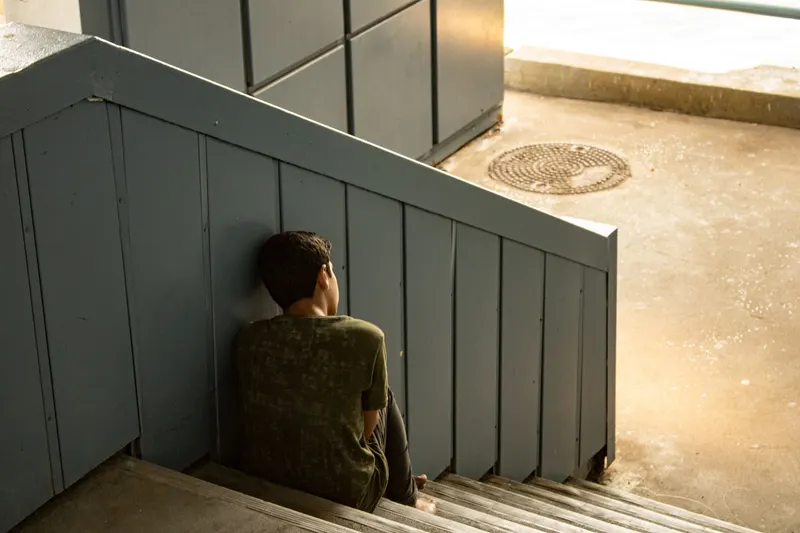
Diagnosed depression among people aged 15 to 29 has grown 148% since 2014, according to semFYC. Anxiety and depression are among the most frequent problems in primary care, Vozpópuli reported on October 10, 2026.
That day marked World Mental Health Day. Confederación Salud Mental España focused this year's campaign on young people, with the slogan "Haz match con tu salud mental," alongside the Ministry of Social Rights, Consumption and Agenda 2030 and the ONCE Foundation.
The World Health Organization estimates that one in seven adolescents aged 10 to 19 lives with some mental health disorder. Behind every number is someone who studies, works or tries to sleep with that weight on them.
«Asking for help isn't a luxury or a lack of faith»
What willpower can't fix
Nel González Zapico, president of Salud Mental España, said the rise in anxiety and depression disorders among adolescents and young people isn't only due to individual causes. He mentioned job and housing precarity, unwanted loneliness, inequality of opportunity and vulnerability to digital environments.
In Spain, emancipation doesn't come, on average, before age 30, and one in four young people experiences workplace violence in their first years of employment, according to González Zapico. Sara Villodre, president of the Consejo de la Juventud de España, stated that only 14.9% of young people can build a stable life project.
Reading about this doesn't give you a diagnosis, and that's good. Labels are for a professional; you can name what you feel and look for someone to help you understand it.
Distress also has numbers
The Primary Care Clinical Database of Spain's Ministry of Health records that 34% of the population has some mental health problem. More than 60% of citizens consider it a serious public health problem.
semFYC, the Spanish Society of Family and Community Medicine, called for rational use of psychotropic drugs and strengthening non-pharmacological alternatives when indicated. It warned that the lower the income level, the greater the consumption of those medications. For Víctor Expósito, coordinator of semFYC's Mental Health group, the risk is medicalizing problems that also have a social origin.
In addition, 59% acknowledge having had mental health problems, according to semFYC.
Asking for help isn't failure
Queen Letizia presided over the commemorative event. She spoke of those who don't understand why someone suffers a panic attack on the way to work or why they can't sleep. She noted that mental distress is invisible and that specialized care must reach everyone. Asking for help isn't a luxury or a lack of faith.
Peter wrote: "casting all your anxieties on him, because he cares for you" (1 Peter 5:7, ESV).
That verse doesn't promise everything will be fixed tomorrow. It promises you don't carry this alone, and that God doesn't ask you to hide what you feel.
The first step is usually to talk about it: to a trusted adult, your pastor, a health professional. If the anguish doesn't go down and keeps you from sleeping, eating or studying, that needs medical attention. In an emergency, call your country's emergency services; to find the helpline where you live, go to findahelpline.com.
Who do you tell how you're really doing?




