Your Car Is Listening: 5 Steps to Close the Door
Five simple steps so the car you share or the used one you bought stops listening to what you say.

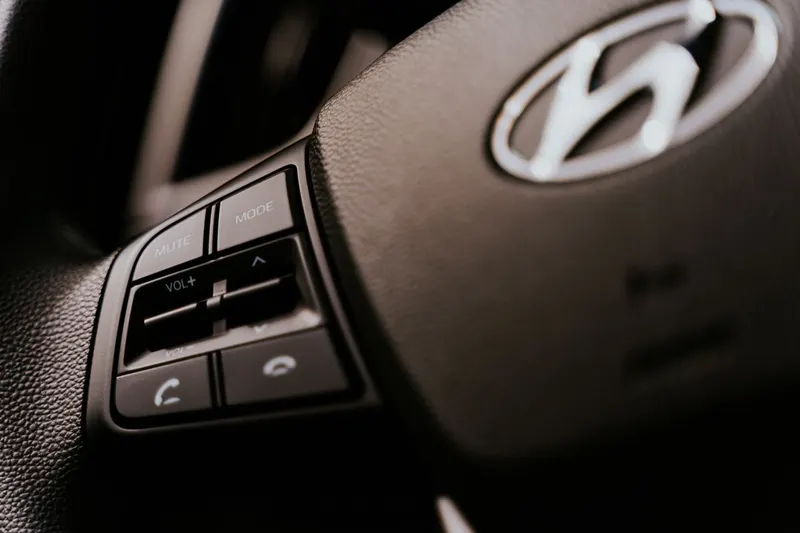
Your car is listening. The car you borrow or the used one you bought can know who you talk to, where you go, and even your birthday. It's not a movie: it's how a connected car works.
The Microphone on Wheels
For years now, new cars have come from the factory with microphones, GPS, sensors, and their own internet connection. All of that serves a good purpose: hands-free calls, navigation, emergency braking, engine diagnostics. The same system that helps you also records.
The catch is that your voice assistant doesn't distinguish whether you're talking to it or whether the car's speaker is. That's why a speaker can wake up Siri or Google, and the phone responds as if it were you.
«Your information is part of your life, and your life—including the car you drive—is for the glory of God, not for carelessness.»
The data doesn't stay in the vehicle. It travels to the brand's servers and, depending on how the contract nobody reads is written, it can be shared with third parties. No need to imagine a villain: a business that makes money from information is enough.
When the Car Belongs to Everyone
There are three scenes that repeat among young Hispanics.
The first: you deliver with your car. Your phone and the platform app draw your complete route, your stops, your schedules.
The second: the car belongs to the family. Your dad paired his phone, your brother his, you yours, and nobody deleted any of them. The car stores all the profiles, with their contacts, recent calls, and frequent destinations.
The third: you bought a used car. The previous owner may have left his account active in the infotainment system. That access can still be there.
None of the three is a scandal. It's simply carelessness, and carelessness is corrected with habits.
Five Steps to Close the Door
- Delete paired devices. Go into the car's Bluetooth menu and remove anything you don't recognize. Do it from your phone too.
- Use a guest profile if you share the car or lend it out. Log out of your brand account when someone else drives it.
- Check the car's app. See what permissions it has, what data it stores, and what you can turn off. If you don't use it, uninstall it from your phone.
- Secure voice activation. If you don't need to say "Hey Siri" in the car, turn it off or ask the phone to require unlocking. That way someone else's speaker can't pull your data.
- Watch what you say. Not out of fear, but out of prudence: there are conversations that don't need to be recorded in a system you don't control.
None of this requires living with anxiety or distrusting a country or a brand. It requires something simpler and more biblical: stewardship. Your information is part of your life, and your life—including the car you drive—is for the glory of God, not for carelessness.
Proverbs 4:23 puts it this way: "Keep your heart with all vigilance, for from it flow the springs of life" (Proverbs 4:23, ESV). It's not a verse about passwords, but it is about taking care. And 1 Corinthians 10:31 puts the rest of life in the same place: "…do all to the glory of God" (1 Corinthians 10:31, ESV).
Today, before you start the engine: open the Bluetooth menu, delete what's left over, and check the car's app. Take five minutes. Then tell me what you found: did you know how many devices were connected to yours?






