You Spend on Credit to Show Off: Who Are You Paying?
The installment comes every month; the photo, only once.

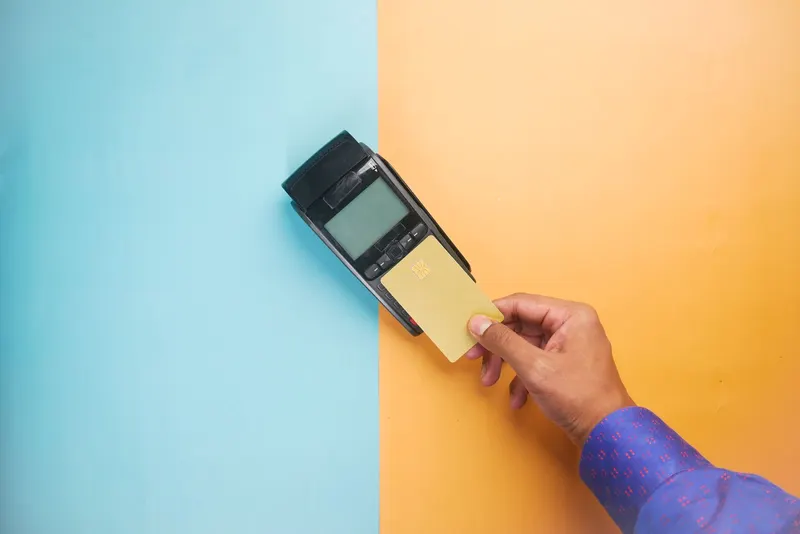
That trip, that phone, that dinner from the feed: someone paid for them with money they don't have yet. You spend on credit to show off, and the photo never shows the installment. Behind every post there's a payment date.
The desire you brought from the screen
No one forced you to buy. That's the uncomfortable part. The desire formed earlier, when you saw the car, the beach, or the apartment so many times that they stopped being someone else's. The feed doesn't owe you anything; the installment does.
The Bible treats debts as something deeper than a number. It deals with the heart. "For where your treasure is, there your heart will be also" (Matthew 6:21, ESV). The problem doesn't start with the card; it starts with what you love and who is watching you when you pay.
«The feed doesn't owe you anything; the installment does.»
Scripture is sufficient authority for your finances too. You don't need a verse that says "don't use a card" to understand that being a slave to an installment clashes with the freedom Christ bought. Proverbs says it without decoration: "The rich rules over the poor, and the borrower is the slave of the lender" (Proverbs 22:7, ESV).
Showing off has a trap: it never ends. There's always someone with a better phone, a better trip, a better dinner. If your identity depends on comparison, no purchase will ever be enough, and no installment will give back the peace you spent.
Count what's already committed
Here's the exercise, no sermon. Before looking at prices, look at your paycheck. Add up the automatic payments: plans, subscriptions, bank installments. Subtract that from what you earn. What's left is yours. If nothing's left, you already spent it.
Many young people live off a photo paid over 12 or 24 months. It works until the phone breaks, until the job ends, until an emergency comes and the card is maxed out. A card is not your emergency fund. It's a debt with a date.
Sin disguises itself well as "I deserve it." Grace doesn't give you permission to go into debt; it gives you power to say no. Biblical stewardship doesn't seek to make you feel guilty for having things. It seeks for you to manage what God gave you with freedom, without things managing you.
Ask yourself an uncomfortable question: how much of your next month is already sold?
One step today: review your automatic payments
Open your bank app today or the email where charges arrive. Review the list of automatic payments one by one. Write down how much they add up to per month. Cancel the one you don't use. You don't need a huge spreadsheet; you need to see the numbers that are already there.
Then find someone you trust: a friend who asks you, an adult who loves you, your pastor. Debt grows in silence, and silence is its best ally. Bringing it to light isn't shameful; it's the first step of freedom.
God is sovereign over your paychecks, your installments, and your likes. He calls you to live for his glory even when no one applauds you. The freedom he offers isn't paid with interest.
Which automatic payment are you going to review today? Write it in the comments.




