Why the evangelical community is growing in Argentina
Evangelicals went from about 1% to nearly 20% of Argentina's population, according to a column published by Infobae.

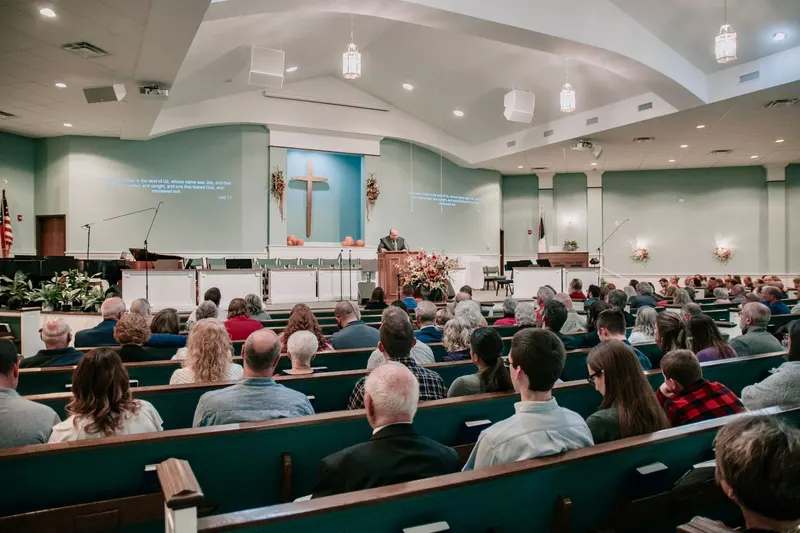
Argentina's evangelical community went from about 1% of the population in the 1980s to nearly 20% today, according to a column published by Infobae on October 31, National Day of Evangelical Churches. The author is the Buenos Aires City minister of Human Development, and he writes from two places: as a Christian and as a public official. His question is why it is growing.
A void no screen can fill
His first answer points to a widespread spiritual void: a lack of meaning, of purpose. In that setting, in his reading, encountering God is what transforms a person, and the church is the place where that encounter takes concrete shape. There is no technique or program here: there is a search.
Loneliness can be measured, too
The second argument is community, and here the text brings numbers. 55.4% of Argentines have no support network outside their home: no one who listens to them and walks with them. In the City of Buenos Aires, one in three people shows symptoms of anxiety or depression, a level not seen since the post-pandemic period. The piece adds that 2025 saw the highest number of suicide deaths on record in the country, 5,209, which is 22% more than the previous year, with the greatest weight among young people ages 15 to 24.
«Growth, read through the lens of faith, is not an institution's victory: it is people who know they have been found.»
From his work in social policy, the columnist describes what he finds on the street: a material need, often a health problem, and always a broken bond. What the church rebuilds, he argues, is belonging. For a young Hispanic living between two cultures, the question cuts deep: where is there someone who knows you by name?
Principles that don't write anyone off
The third reason is principles. In his text, the church appears as a space where no one is worth more than anyone else and where the one who is missing is sought out, wherever they are. It is also a place that believes in each person's capacity to get out of addiction, poverty or depression. The image he chooses comes from a well-known parable: the shepherd who leaves ninety-nine sheep for one. Scripture tells it this way: "What man of you, having a hundred sheep, if he has lost one of them, does not leave the ninety-nine in the open country, and go after the one that is lost, until he finds it?" (Luke 15:4, ESV).
That shepherd isn't looking for efficiency; he is looking for a person. Growth, read through the lens of faith, is not an institution's victory: it is people who know they have been found, and that is the work of God, not of a method.
The author also highlights the work of the administration he is part of alongside hundreds of churches. That point belongs to his account; the phenomenon he describes is not explained by a government or a flag.
If any of this resonates with you, there is one concrete step: approach a local church where people can get to know you, not just greet you at the door. And if you are carrying anxiety, depression or thoughts that scare you, don't face it alone: talk to a trusted adult, a health professional or your pastor; in an emergency, call your country's emergency services, and at findahelpline.com you can find the helpline for your area. What is stopping you from taking that step this week?