Six-digit code stops WhatsApp scam
The scam preys on your family's trust and writes from your own chat, without touching your bank.

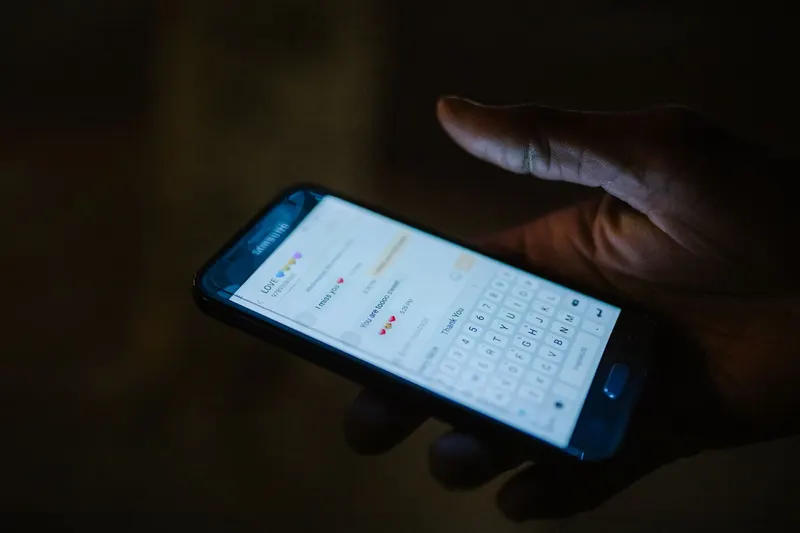
Your mom gets a message from you asking for urgent money: the photo is yours, the tone is yours, and it's not you. Someone is writing from your account and the WhatsApp scam starts with affection, not the wallet.
Affection is the gateway
Almost no one falls for it because they're dumb. They fall for love. The scammer knows this and that's why they don't write to strangers: they write to your mom, your aunt, the youth group, the friend who owes you a favor. They're the ones who answer quickly and send whatever it takes to get you out of a jam.
The mechanism is less sophisticated than it seems. Someone gets the code WhatsApp sends to verify your number, and from there the account responds in your name. Your photo stays in place, your history too, and the message sounds like you because they know how you write.
«Almost no one falls for it because they're dumb. They fall for love.»
It can come from a supposed tech support that asked for the code, or from someone who looked at your screen at the right moment. Then comes a made-up urgency: an accident or a debt due in ten minutes. The victim no longer thinks, they react. And reacting fast is exactly what the other person needs.
Two locks that depend on you
First, two-step verification. WhatsApp lets you add a six-digit code that is requested every time someone tries to register your number on another phone. Activate it today, not tomorrow. It's in the account settings, and without that code moving your number to someone else's cell phone becomes much harder.
Second, the family rule. Agree at home on a word only you know. If someone asks for money from a chat, don't answer "of course." Answer: "tell me the word." A scammer can copy your photo and your emojis; they can't read your family's memory.
Two more habits: check the devices linked to your account from time to time and close the ones you don't recognize; and never share the code that arrives on your cell phone, not even with someone presenting themselves as support. No serious company asks for it.
If it already happened to you, don't hide: immediately notify your contacts, recover your number with WhatsApp and change your code.
Prudence is also love for your neighbor
The one who writes to your mom pretending to be you is stealing. The Bible doesn't call that cleverness; it calls it sin, because it attacks someone who can't defend themselves. "The prudent sees danger and hides himself, but the simple go on and suffer for it" (Proverbs 22:3, ESV).
Verifying before believing is a way to care for your family, not a sign of distrust. It's telling your mom: "if you get a message like that, call me and ask me." Putting locks on your account is also loving the other: protecting them from the harm that could come through your name.
No one is free from falling, and blaming the victim repeats the harm. God sees what is done in secret and no debt escapes him.
Activate two-step verification now, tell the family group what the secret word will be and pass the info to whoever you think would answer first. Who would fall first in your house?






