The Pocket Pastor: When AI Answers About God
An NPR survey found that 15% of AI users employ it to study Scripture and 13% to generate prayers.

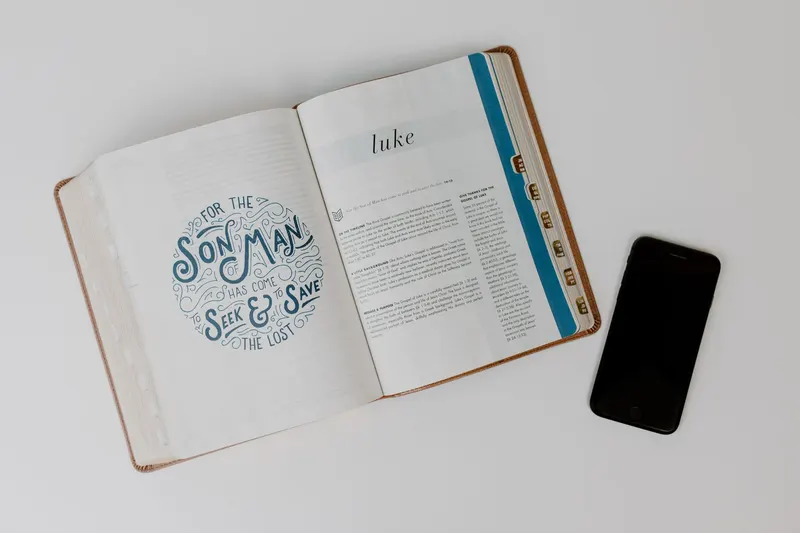
An NPR survey, reported by Religion News Service, found that 15% of AI users study Scripture with it, 13% generate prayers and 11% ask for spiritual advice. The "pocket pastor" already lives in your phone.
What they're asking
The percentages look small until you line them up. Behind each one is a real person who, at some point, didn't know who to ask. And that says more about our loneliness than about technology.
It shouldn't surprise us. It's the same chat where you asked for ideas for an essay or for a difficult message to send. The survey is from the United States, but the question applies to all of us: if the tool answers almost anything, sooner or later someone will ask it about God.
«AI helps you understand, not relate.»
The difference is that this isn't a transaction. Your soul, your pain and your decisions are at stake.
The pocket pastor doesn't know you
A language model orders words with surprising precision. It can paraphrase a psalm, put together a nice prayer or explain in two paragraphs what a Pharisee was.
What it can't do is pray. It has no Holy Spirit, no faith and doesn't know God. It doesn't know you either: it doesn't know what you're crying about or why that Monday message scares you.
What worries me less is the tool than the replacement. When the automatic answer takes the place of your reading, your prayer and your church, you stop being a disciple and become a consumer of phrases. James says it plainly: "But be doers of the word, and not hearers only, deceiving yourselves" (James 1:22, ESV).
Discernment about content is also needed. An answer can sound biblical and mix in ideas that Scripture doesn't teach. "But test everything; hold fast what is good" (1 Thessalonians 5:21, ESV) applies to a pulpit, a video and also a chat window.
It's worth remembering something simple: faith isn't born from correct information, it's born from a relationship. You can have the best explanation of John 3:16 and still never speak to God.
How to use it without letting go of your Bible
There are honest uses. You can ask for the historical context of a passage, a list of questions for reading Mark or the difference between two Greek words. That's study, and studying is good.
The limit is clear: AI helps you understand, not relate. Nobody gathers in an app. Nobody receives the Lord's Supper by chat and nobody is corrected with love by an algorithm.
Three steps for this week. First read the passage yourself, unhurried and in your own words. Then ask what you don't understand, using AI as a dictionary or a map. Finally take your doubts to your pastor, a leader or your small group.
If something you read moved you, share it with someone from your church. And if the assistant gave you an answer that left you uneasy, don't keep it to yourself.
Have you asked AI for spiritual advice? What did it answer and what did you do with that? Tell me in the comments.






