Middle East: Economic Pressure Pushes Families to Emigrate
The World Bank warned that the 2026 energy shock is raising the cost of living for families already battered by violence in the Middle East.

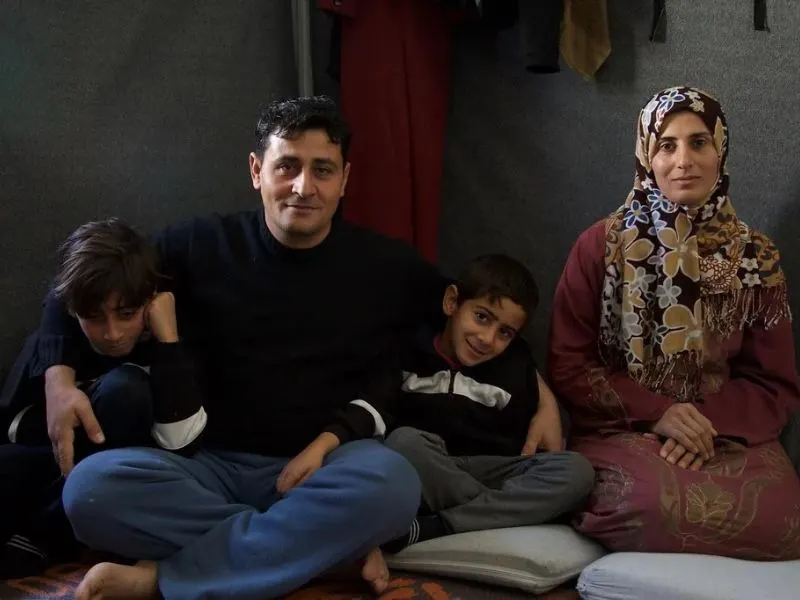
Fadi, a Christian father in Lebanon, lays two folders on the table: utility bills and immigration papers. International Christian Concern (ICC) opens its series on how economic pressure worsens persecution with that scene.
What the electric bill changes
The price of fuel does not create religious persecution; ICC makes that clear from the start. But when a family has already been through violence, displacement or discrimination, every increase makes recovery more expensive and staying less viable.
In its October 2026 regional economic update, the World Bank warned that the conflict in the Middle East produced an energy shock: costlier fuel, rising inflation, disrupted transportation and logistics, weakened growth. The institution noted that fragile and conflict-affected economies bear the brunt, and that poverty continues to rise in parts of the region.
«One household's decision becomes a demographic change for the whole community.»
In daily life, that translates into questions: Will the family business open or close? Is there enough for food? Will there be jobs for the kids? Is it worth rebuilding?
ICC documents the case of Lebanon, where Christians have not experienced the mass expulsion seen in parts of Iraq or Syria. Even so, economic collapse, political instability, regional conflicts and emigration continue to weaken one of the most important Christian communities in the Middle East.
There is no militant at Fadi's door and no law forcing him to leave. What there are is two futures: one with history, belonging and his family's graves; the other with steady work, reliable services and an education for his children.
Syria: returning is not the same as staying
In May 2026, ICC reported that about 1.67 million Syrian refugees and 1.9 million internally displaced Syrians had returned since December 2024. It also warned that damaged housing, limited livelihoods, weak infrastructure, poverty and restricted access to basic services threaten the continuity of those returns.
A 2026 assessment organized by UNHCR reached a similar conclusion: whether a person stays after returning depends largely on housing, employment, services and economic opportunity.
Here is the point that often gets overlooked. In June 2026, the World Bank warned that rising energy costs and inflation are slowing global growth and hitting developing economies disproportionately. A family with savings, steady work and credit can absorb that blow. A displaced family, hardly at all.
When the young people leave, the neighborhood changes
A church loses members. A Christian school loses students. A business closes. If young adults leave, fewer people remain to form families and institutions in the place. One household's decision becomes a demographic change for the whole community.
ICC walks alongside persecuted Christians with emergency assistance and support to rebuild their income.
You don't need to have anyone's immigration situation figured out to get involved. Pray for the families facing that table with two folders, ask in your church who is going through something similar, and support those who help rebuild jobs, not just walls. "Bear one another's burdens, and so fulfill the law of Christ" (Galatians 6:2, ESV).