Living Paycheck to Paycheck: Break the Cycle, Guilt-Free
Four small steps, repeated every pay period, will do more for you than any lucky break with your paycheck.

Payday hits. You cover rent, your phone bill, groceries, and ten days later there's nothing left. Living paycheck to paycheck doesn't mean you earn too little. It means you're missing a plan.
Money that comes in with no assigned purpose leaves without a trace. No trick or stroke of luck fixes that. What fixes it is a small system you repeat every pay period, even if at first it moves almost laughable amounts.
Write it down first, decide later
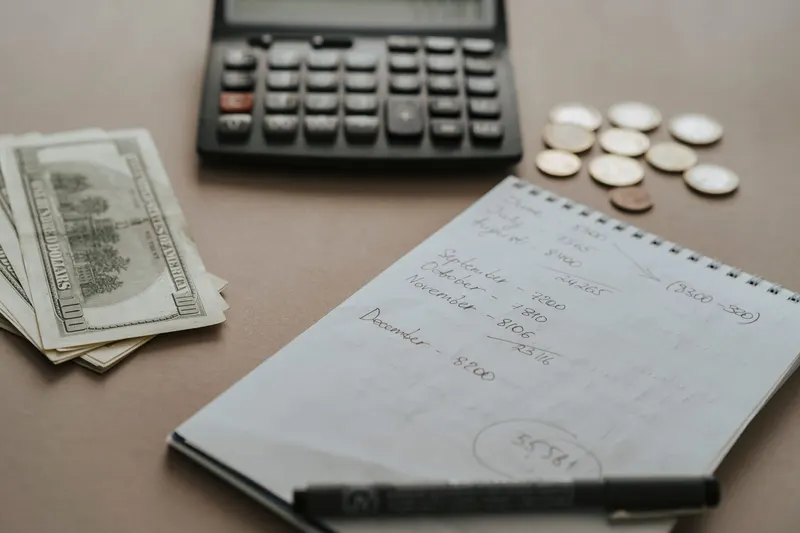
Before you cut anything, look. For two weeks, write down every dollar that goes out, from the corner coffee to the subscription you keep paying for out of forgetfulness. A note on your phone is enough; you don't need a new app or a fancy spreadsheet.
«Money that comes in with no assigned purpose leaves without a trace.»
Tracking is not a test of your worth as a person. It's information. When you see that three small expenses eat up half your pay period, the adjustment almost makes itself, and it hurts less than a budget copied from the internet that you'll never follow.
A one-month cushion, not six
You keep hearing that you need six months of expenses saved. It sounds so far off that many people never start. Begin with one: add up what a month of the essentials costs (housing, food and transportation) and chase that number.
The step that changes everything is setting the money aside the same day it arrives, not at the end of the month with whatever is left over. A separate account from your everyday spending, even a basic one, creates distance. "Precious treasure and oil are in the dwelling of the wise, but a foolish man devours it" (Proverbs 21:20, ESV). What defines the wise person is not how much they earn, but how much they keep and what for.
And here's something guilt hides: your work is also a calling. Every shift, every delivery, every difficult client has value before God, even if your paycheck doesn't yet stretch to everything you'd like.
One debt at a time and the 24-hour rule
Make a list of what you owe and what each item costs you. Pick a single debt and attack it with whatever you free up; spreading crumbs across five debts stretches the problem out for years. While that plan lasts, don't open another one.
For anything unplanned, impose a 24-hour pause. If it still looks necessary tomorrow, buy it; if it was pure impulse, forget it. The urge almost always cools off before a day has passed, and you find the craving was asking for company, rest or a night without screens, not for something else.
That's where contentment comes in, and it isn't resignation. "I have learned in whatever situation I am to be content" (Philippians 4:11, ESV), wrote Paul after knowing both scarcity and abundance. He didn't say it because he had plenty of everything, but because his identity didn't hang on a bank account.
None of this makes you deserve anything; it's stewardship, caring for what God has put in your hands, including this month's paycheck. Grace doesn't arrive once you get your finances in order: it arrives first and frees you to order them without fear or shame.
Today, before bed, write down the three expenses that repeat most in your week; tomorrow, set aside an amount, any amount, for your cushion. And if you've already broken the cycle, which step worked for you? Tell us below: someone is going to benefit from it.