The Legacy Continues: Why We Honor Those Who Sang First
Crys's post dedicated to Jaime Murrell leaves an open question about the Christian music we have inherited.
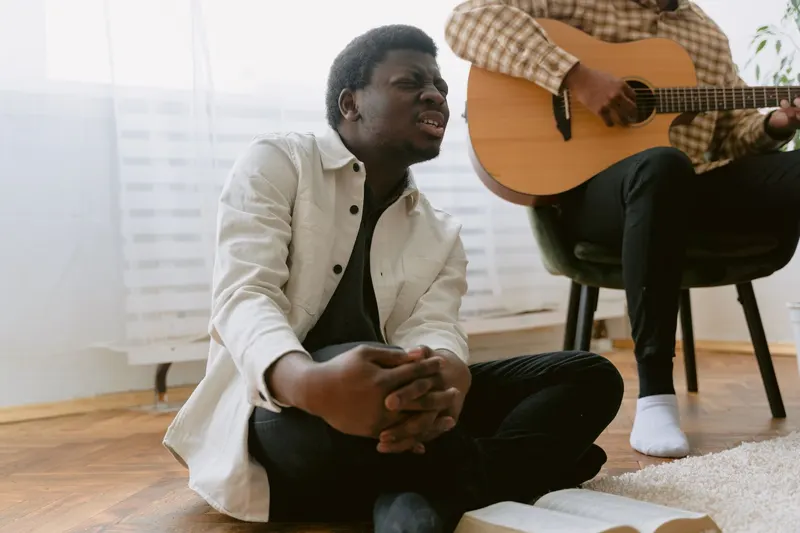
A post by Crys honors Jaime Murrell with two phrases: "I honor you" and "the legacy continues." The hashtags read #alabanza and #musicacristiana.
That mix of gratitude and continuity deserves more conversation than it usually gets. Christian music did not begin with your playlist. It began with people who prayed without an audience and sang with what they had. We came later, with a phone in our hands.
Honoring Is Not Imitating by Heart
Honoring those who sang before us doesn't mean copying their voice or repeating their mistakes. It means recognizing that their work opened a door we now walk through without thinking.
«The legacy doesn't continue because of a hashtag; it continues when someone receives it and passes it on.»
Acknowledging those who broke new ground doesn't take anything away from you; it gives you your bearings. Knowing where your faith comes from also tells you where you are headed.
Think of the person who taught you to pray. The one who put on a song when you didn't know what to say to God. The grandmother who still hums what nobody else remembers. Faith rarely arrives in the abstract: it arrives with an accent, a guitar and a catchy lyric.
And here's a warning for the fans, myself included. The person we admire is still human. Their music can be a gift without becoming an infallible teacher. When a song brings you closer to Christ, stay with Christ; the Bible remains the authority, not the catalog.
What a Song Holds Up When Everything Is Shifting
Praise is not a formula for getting things, or a button God presses when we sing loudly. It works as memory: telling God who he is while everything else doesn't add up.
The psalmist wrote it this way: "One generation shall commend your works to another, and shall declare your mighty acts" (Psalm 145:4, ESV). Notice the verb: declare. Somebody has to tell it.
Moses was already asking for this: asking our fathers and elders about the years before (see Deuteronomy 32:7). And memory is not nostalgia. Nostalgia stays stuck looking back; memory looks back in order to walk better.
Take the Baton With Open Hands
In the Hispanic church there are two easy extremes. One: throwing out the old because it sounds dated. The other: building a pedestal so high that no one dares to sing differently. Neither works. An inheritance is received to be used, not put on display or stored in a box.
In practice, it looks like this: ask in your church who led worship twenty years ago and listen to a story. Learn a song from a generation that isn't yours and sing it with someone older than you. If you write or record music, publicly acknowledge where you come from.
This Sunday you can do something small: before you sing, thank God out loud for the person who taught you the way. The legacy doesn't continue because of a hashtag; it continues when someone receives it and passes it on. Who do you owe that acknowledgment to, and haven't told yet?