Hulvey and Christian Music That Doesn't Speak Your Language
The rapper said he grew up listening to Lil Wayne and Eminem, and that Lecrae showed him rap could also draw him closer to God.
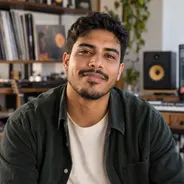
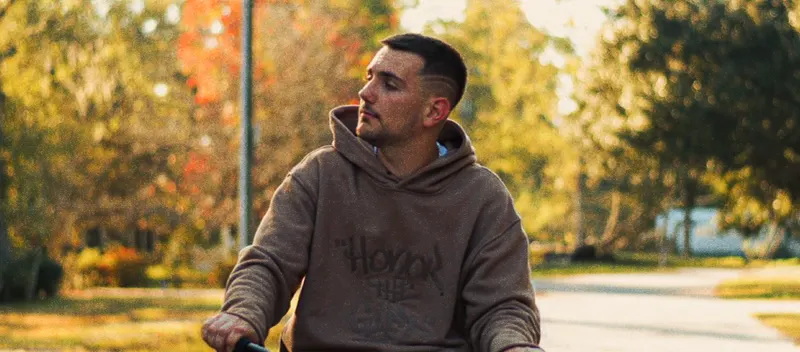
Hulvey says some audiences get left out because Christian music doesn't speak their language. He's right about the half that hurts. JubileeCast reported it, and the line has been rattling around in my head ever since.
In those remarks, the rapper says people at his concerts tell him he was the first Christian artist they ever listened to. He grew up on Lil Wayne and Eminem, and found in Lecrae a kind of rap that pushed him toward God. From there he speaks of an enormous responsibility to the people who were left on the outside.
He also shared where the album came from: the idea for "Could Be Tonight" came to him stopped at a traffic light, when he felt God put that project on his heart. And he believed the message was for other people until he realized it was for him.
«Rap opens the door; Jesus walks through it.»
That's the summary. Now, my take.
Rap opens the door; Jesus walks through it
I'm glad someone in Christian rap is saying out loud what should be obvious: some people don't make it to church because the sound we offer them feels like it's from another planet. That has more to do with loving your neighbor than with marketing.
Paul, in Athens, quoted his audience's own poets before telling them about the God they didn't know (see Acts 17). Translating the language isn't selling the gospel; it's speaking to someone in their own tongue.
But here I'll hit the brakes. A genre doesn't convert anyone. Cultural closeness opens doors that have been shut for years, and even so the door stays shut if nobody walks through it.
"So faith comes from hearing, and hearing through the word of Christ" (Romans 10:17, ESV). The hearing can start in a pair of earbuds; it has to end in Scripture proclaimed, in a church that teaches, in a life that repents and believes. Rap opens the door; Jesus walks through it.
The messenger needed the message too
What convinces me most about his testimony, as JubileeCast reported it, is the traffic light scene. Hulvey thought the coming of Christ was a topic for people on the outside, and ended up preaching it to himself. That's honesty, and it's rare.
Anyone who talks about Jesus on a stage needs to tremble before Jesus in their bedroom first. I also like that he wants to talk about the Lord's return without turning hope into a horror movie. That promise isn't a threat to scare teenagers: it's comfort for those who weep and a call to live awake.
That said, I'm not canonizing him. "Test everything; hold fast what is good" (1 Thessalonians 5:21, ESV). A well-made song doesn't make anyone a teacher. I'll listen to the album, read the lyrics and compare them with the Bible, just as I would with any preacher.
The church has to learn the language too
Here the analysis makes me uncomfortable, and I include myself. It's easy to applaud a rapper who connects with people nobody was connecting with, while the local church keeps speaking in a code my friends don't understand: inside jokes, words nobody uses at school, worship that sounds like a wedding from the nineties.
Many young Hispanics live between two cultures and two playlists. They have one list in English and another in Spanish, and sometimes neither says what they truly believe. Language doesn't save: the Word does. But God uses means, and among those means are songs and brothers and sisters who sit down to explain.
If Hulvey's rap brought you closer to Jesus, celebrate that and take the next step: find a church where the Bible is opened seriously, where people ask how you're doing and where they teach you to pray when you feel nothing.
I'll leave you a short assignment. Listen to "Could Be Tonight" with the lyrics in front of you and write down what it says exactly about Jesus. Take it to your small group or your pastor. And then ask yourself: which song drew you in, and what sustained you afterward?