How to Save for a Home Without Giving Up Your Life
A plan with an amount, a date and a separate account carries more weight than guilt.

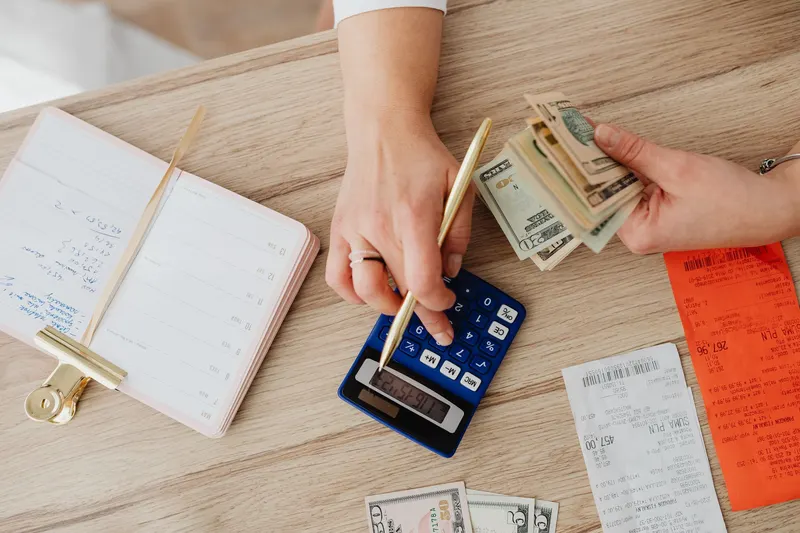
Payday comes, it all goes to nights out, and the dream of saving for your home is as far away as ever. You don't lack discipline: you lack a plan with numbers, a date and a separate account.
Wanting a place of your own is not excessive ambition. It's seeking stability to start a family, welcome people to your table and put down roots. The problem begins when the house stops being a goal and becomes an idol: every expense is measured by how much closer it gets you to the deed, and even rest feels like guilt.
Proverbs puts it bluntly: "By wisdom a house is built, and by understanding it is established" (Proverbs 24:3, ESV). Wisdom and understanding show up in a spreadsheet, not in a sigh.
«Better a number that scares you than an illusion that goes nowhere.»
Put a number and a date on your goal
"A house" is just an idea until you give it an amount and a date. How much do you need for the down payment and closing costs? If you don't have the figure, ask someone who bought recently and write down the range.
Then divide: the amount by the months you have left, and that result by your paychecks. The number may scare you. Better a number that scares you than an illusion that goes nowhere.
With that figure in view, organize your month. Here's a simple outline you can adapt: half for essentials (rent, food, transportation, utilities), three tenths for fun and social life, and two tenths for your goals. If half isn't enough to cover the essentials, the adjustment isn't in your leisure but in your rent or your income. That is also part of the plan.
Set the money aside before it gets spent
The savings left over at the end of the month almost never exist. That's why you set it aside first: the same day you get paid, an automatic transfer goes to a separate account, preferably one with no card attached that you don't use for everyday spending. What you don't see, you don't spend.
Before the down payment, build a cushion for emergencies: an amount that covers several months of basic expenses. How many months is up to you, depending on your job, your debts and who depends on you. That cushion prevents the worst: a layoff or an emergency forcing you to use the house money or take on debt with interest that wipes out months of effort.
Watch out for the thrill of buying
The costliest enemy isn't the morning coffee: it's buying on installments. A payment plan turns a treat into a months-long obligation, and the excitement of having something new today gets paid for with your paycheck six months from now.
"Opportunities" deserve the same distrust. If someone promises to multiply your down payment in weeks or pressures you to decide today, that's not an open door: it's a red flag. The answer is always the same: let me look into it. And if you really want to understand how something works, ask a certified professional, not the person selling it to you.
This is where contentment comes in, and it has nothing to do with settling. "But godliness with contentment is great gain" (1 Timothy 6:6, ESV). You can save with joy and go out with your friends without wrecking the plan: that's why the budget includes fun and also generosity. A plan that leaves no room for giving or resting ends up broken in three months.
Today, do just one thing: write down your down payment amount, the date and how much you need to set aside each paycheck. If you've already done it, which expense is hardest for you to let go of?