Fuel costs make aid in Syria more expensive
In May 2026, the World Food Programme cut its emergency assistance in the country from 1.3 million people to 650,000.

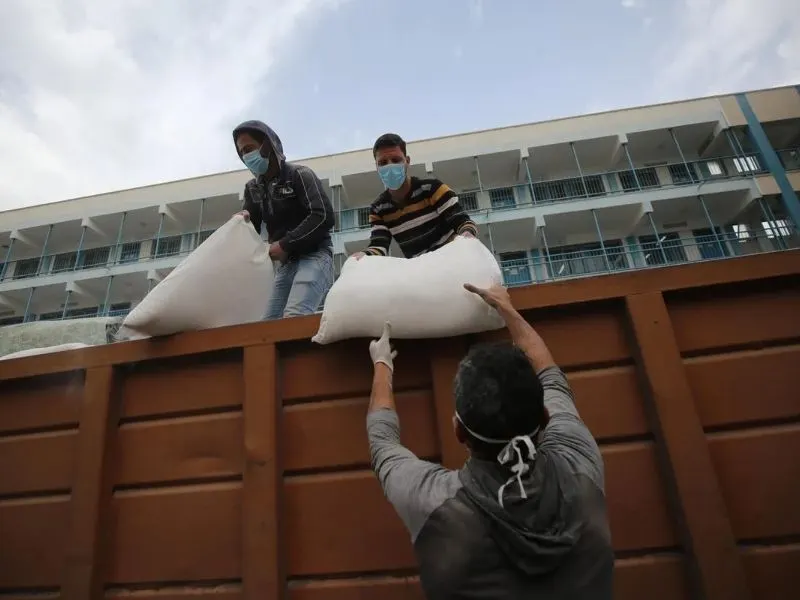
The cost of fuel is making it more expensive to deliver aid to Christian families in Syria, International Christian Concern reported in the second part of its series "Fueling Persecution." Rising prices for diesel, food and spare parts are shrinking what actually reaches families.
A route that starts before dawn
Connor works with a Christian aid team in Syria. Before 7 a.m., he has already checked the truck's fuel gauge twice. In the back are boxes of food, medicine, bottled water and hygiene items for families still carrying years of war and displacement, ICC reports.
The list on the seat has 24 families for the day. An older widow is raising two grandchildren. Another family returned to the country after years abroad and can't find steady work. One more lost its small business in the conflict.
«Moving aid costs more than before, and that extra cost comes out of what arrives»
If transportation costs keep rising, the team may have to make fewer trips, hand out smaller packages or delay visits to remote communities, the organization warns. ICC stresses that those cuts weigh on households already living on the edge.
The bill goes up before the food does
In 2026, the World Food Programme (WFP) warned that the price of fuel was directly driving up the cost of humanitarian operations. According to its reports on disruptions to global trade, freight costs rose about 20% and jet fuel about 35%.
"If it costs more to transport food, there may be less money left for the food itself," ICC said.
In May 2026, the WFP announced that a lack of funding forced it to cut its emergency food assistance in Syria from 1.3 million people to 650,000, and to halt a national subsidized bread program. At that time, 7.2 million Syrians faced acute food insecurity.
Fuel was not the only cause. Funding shortages, conflict, displacement, poverty and economic instability also played a part. Even so, moving aid costs more than before, and that extra cost comes out of what arrives.
At the other end of the route is Hana, a Syrian Christian mother. Her husband hasn't found steady work since they returned to their town. The family occasionally receives food and medical care through a local church, and that closes part of the gap between what they earn and what it costs to live.
When the truck is late, she worries. When it doesn't come, she worries more.
ICC has also documented that in earlier crises, including the 2023 earthquake, some Syrian Christians were denied assistance.
From a food package to a business of their own
ICC's work in Syria includes food, water, medical care, emergency relief and projects designed to generate sustainable income. The difference between a package and a livelihood is concrete: food solves the month, while reopening the small shop belonging to Hana's husband could let them buy what they need without waiting for the next distribution.
Rebuilding also requires transportation, equipment, supplies and, often, electricity. The energy crisis hits both sides: it makes the emergency more expensive and slows recovery.
"Bear one another's burdens, and so fulfill the law of Christ" (Galatians 6:2, ESV). You can pray for these families and for those who drive the truck every morning, and support ministries that are accountable for what they receive. Do you know who is waiting today for a delivery that may not arrive?