Evangelical church loses legal-status appeal in Chile
On Oct. 30, 2026, the Supreme Court upheld the Valdivia ruling, closing the appeal under Case No. 31313-2026.

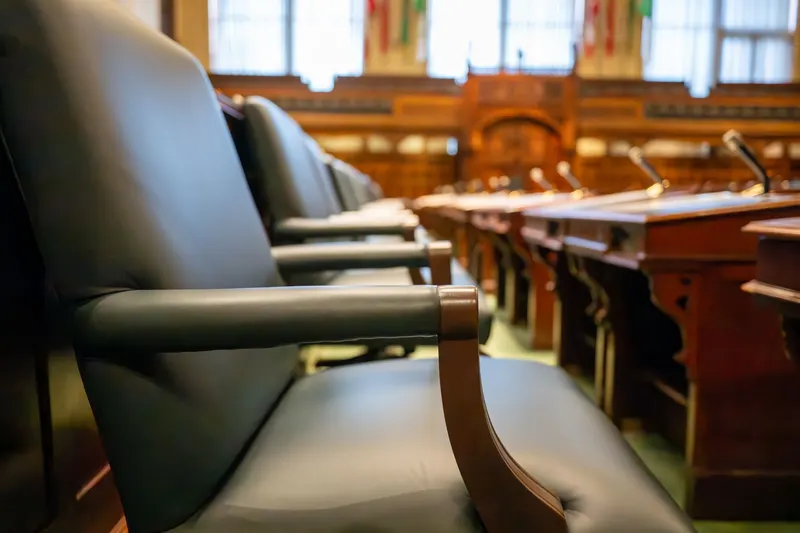
An evangelical pastor in San José de la Mariquina, Chile, lost his appeal to force his municipality to process legal status for his church. The Supreme Court upheld the ruling on October 30, 2026, Veredictum reported.
The pastor filed the appeal on his own behalf and on behalf of a corporation in formation, the Iglesia Misión Jesucristo El Redentor Independiente. It was directed against the Municipality of San José de La Mariquina, which refused to process the granting of private-law legal status.
In the pastor's view, that refusal was an arbitrary and unlawful omission. He argued that it violated his freedom of worship and his freedom of association, and that it was also arbitrary discrimination for professing the evangelical faith. On that basis, he asked the courts to issue an order against the municipality.
«It is not the paper that sustains a congregation.»
The municipality's response
The municipality asked the court to reject the appeal for two reasons. First, because the pastor did not challenge the legality of the municipal resolution, and the constitutional action does not replace the administrative route that exists for such cases. Second, because there was no arbitrary omission: the municipality merely refrained from an action that the law prevents it from taking.
According to the municipal report, authorization to establish a religious entity falls to the Ministry of Justice and Human Rights, under Law No. 19,638. The municipality also denied having violated the constitutional rights the pastor invoked.
Two courts, the same answer
The Valdivia Court of Appeals rejected the protection appeal on May 19, 2026. The pastor appealed, and the case reached the Third Chamber of the Supreme Court, which ruled on October 30, 2026: "the arguments expressed in the appeal are not sufficient to undermine what was decided in this case." With that, the Valdivia ruling was affirmed.
The ruling, registered as Case No. 31313-2026, closes the protective route the pastor had activated. Veredictum notes that the confirmation leaves the appellant without the protection he sought, without resolving the substance of his claims.
A church doesn't fit in a case file
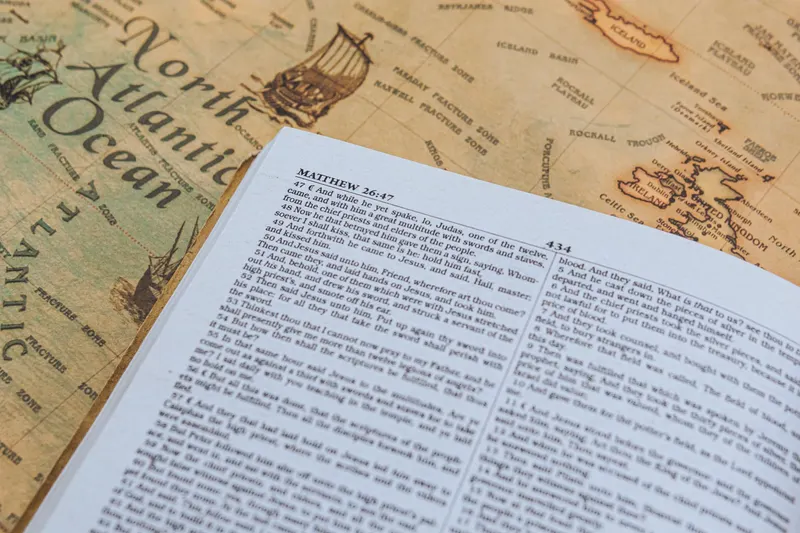
It's worth not confusing two things. One is the procedure: who authorizes a religious entity and by what route. The other is the church itself, which gathers, prays and serves even while a piece of paper is still pending. The pastor went all the way to the Supreme Court over that paper, but it is not what sustains a congregation. "On this rock I will build my church, and the gates of hell shall not prevail against it" (Matthew 16:18, ESV).
How we respond when a door closes also matters. Scripture calls us to respect authorities and use the channels that exist, without turning faith into a fight. "Let every person be subject to the governing authorities. For there is no authority except from God" (Romans 13:1, ESV). That doesn't bless every decision: it calls for patience, order and, when the time comes, good arguments.
If you lead a small group or dream of planting a church, start by checking the legal path in your country and asking at the right office before signing anything. And if the answer is slow in coming, keep serving while you wait.
What would you do if an official answer took longer than you'd like? Share your thoughts and pass this story along to someone just starting that road.