Eight states sue OpenAI over ChatGPT and minors
The lawsuit seeks to force OpenAI to comply with state laws against deceptive business practices.

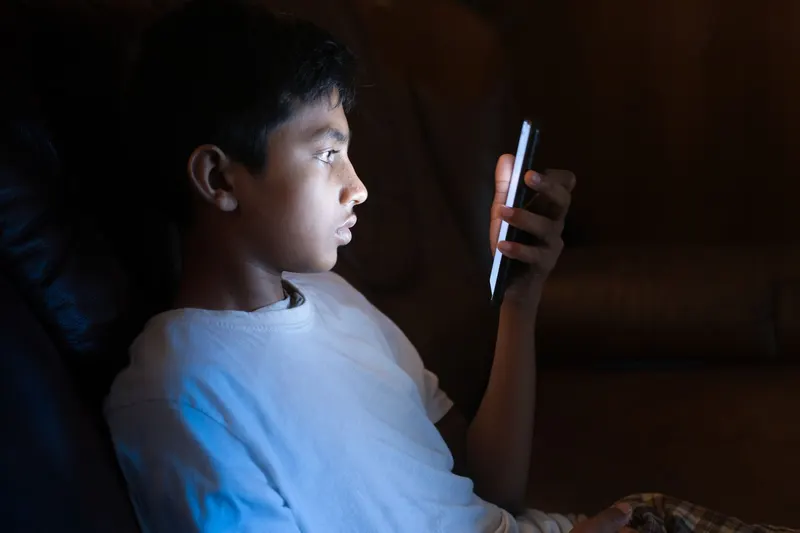
Eight states sued OpenAI over its ChatGPT chatbot on October 14, 2026, according to The Epoch Times. They allege the product harms minors and deceives parents.
Eight attorneys general filed their cases the same day. They are asking courts to force the company to comply with state laws against deceptive business practices.
At the center of the claim is a broken promise, according to the lawsuits: ChatGPT is sold as safe, but it would be designed to be dangerous with vulnerable users, such as children, and would encourage them to harm themselves.
«An AI can order ideas; it cannot care for your soul.»
What the states say and how OpenAI responds
Iowa Attorney General Brenna Bird told reporters they will not accept a tech company making money by hurting children in their state and using them as guinea pigs.
Her Kansas counterpart, Kris Kobach, said they did not wait for Congress: AI companies watch themselves and, according to the cases, they have done it very badly.
Florida sued first. In June it took OpenAI and its CEO, Sam Altman, to court for allegedly hiding serious risks and silencing internal safety warnings.
In April, Florida Attorney General James Uthmeier opened a criminal investigation after ChatGPT gave detailed advice to an alleged shooter in the Florida State University shooting.
OpenAI responds that it has already put safeguards in place. Its spokesperson, Eric Porterfield, told The Epoch Times by email that the company created age barriers that other AI products do not have: "While no system can be perfect, we will continue working with experts to build more safeguards" (Sígueme translation).
The company states that ChatGPT is for ages 13 and up and that minors under 18 need permission from a parent or guardian.
The teen version allows deleting history and choosing whether conversations train models, the company says. According to OpenAI, 90 percent of its teen users use it only to learn and half take breaks when a reminder appears.
Where your privacy and your questions come in
The Pew Research Center reported in December 2025 that 64 percent of teens aged 13 to 17 use chatbots and that about 30 percent use them daily. ChatGPT is the favorite: 59 percent choose it.
That data explains why the case affects you even if you live far from a court in Iowa. At 16, in Bogotá, Miami or Monterrey, it is easy to tell an app what you have not told anyone: a fight at home, fear of the future, a decision you do not know how to make.
The uncomfortable question has to do with something else: what happens when we ask for life advice from a program that learns from text, that does not know you, does not love you and does not answer for you.
Proverbs 11:14 keeps a simple criterion: "Where there is no guidance, a people falls, but in an abundance of counselors there is safety" (Proverbs 11:14, ESV). That guidance comes from people: parents, pastors, friends with judgment, professionals. An AI can order ideas; it cannot care for your soul.
The adjustment you can make this week
Go today to your account settings and check two things: whether your conversations are used to train models and what history you want to keep. Delete what you do not want saved and turn on pause reminders.
If you are under 18, tell your dad, mom or guardian what you use it for. Permission is not a formality: it is protection.
And when the topic is your life —a decision, a pain, a doubt of faith—, take it to a person: a trusted adult, your pastor or a health professional.
The law can change what a company must do, and that is good. Your hope does not depend on the next version of the chatbot being kinder: it depends on Christ, who does know you. Have you used an AI for a personal decision? Tell us.






