Díaz thanks God and the week's work after Xelajú win
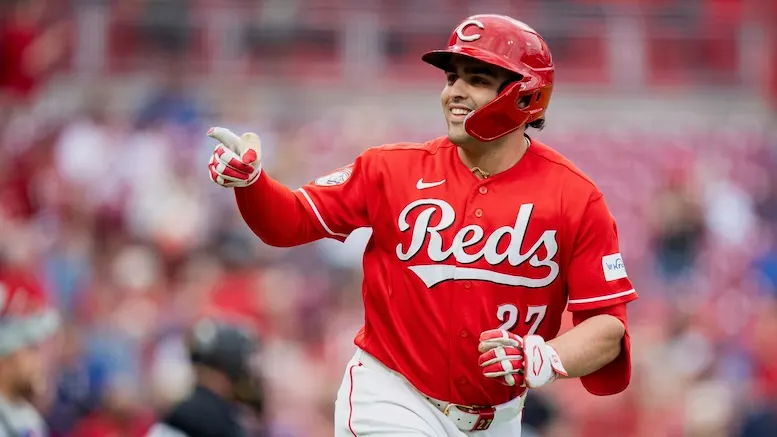
Xelajú midfielder Yilton Díaz credited the win over Marquense to God and to what the team trained during the week, and praised the fans.


"Thank God, the victory came," Yilton Díaz said after the Derbi de Occidente, according to Guatefutbol. The Xelajú midfielder gives thanks to God, and in that same conversation he points somewhere else too: to the work that came before.
The Colombian midfielder acknowledged how difficult Deportivo Marquense made things and that the match was a tight one. His team took the three points in the Clásico de Occidente. For Díaz, the result had to do with what the team prepared during the week.
The fans showed up in good numbers on a Tuesday, in the middle of the workday. He noticed, and he offered them respect and congratulations, because they never give up. Think about it: going to the stadium on a Tuesday, with work or class the next day, is a decision. And that decision helps hold a team up too.
«Gratitude is not a payment for good behavior: it is recognizing that the good we receive was not produced by us alone.»
The goal was trained all week
Díaz said the group worked during the week and that the coaching staff insists a lot on training sessions. What they practiced, he said, ended up as a goal. No play like that is born on game day: it's born when the field is empty and you have to repeat a movement nobody is going to applaud.
There's a lesson there for anyone who feels that nothing they do is seen. Invisible training is real work. The consistency that doesn't show up on the scoreboard is what holds up the scoreboard.
"Whatever you do, work heartily, as for the Lord and not for men" (Colossians 3:23, ESV). The verse doesn't promise that effort will end in a goal. It speaks about who you do it for when nobody is watching.
Giving thanks is not collecting a debt
This is where we should slow down. A player thanking God after a win doesn't mean heaven signed a contract with the result. I believe faith doesn't work like a ticket: if it did, the same player would have to explain every loss.
Nor is it about turning him into a teacher over one sentence. A public thank-you is just that: a thank-you. We shouldn't crown him, or load him with a responsibility he didn't ask for.
Christian gratitude is not a payment for good behavior. It is recognizing that the good we receive was not produced by us alone. You give thanks for the victory; you don't demand the next one.
"Give thanks in all circumstances; for this is the will of God in Christ Jesus for you" (1 Thessalonians 5:18, ESV). In all circumstances. Even in the week when the scoreboard doesn't go your way.
What doesn't show up on the scoreboard
Think about your own week. The exam you studied for with no audience. The shift you covered so someone else could rest. The conversation with a friend that didn't earn you any medal. None of that appears in a league table, and yet it holds up your life and the lives of others.
Sports teach something that faith confirms: what is done well in secret carries weight in public. It doesn't always turn into a goal. Almost never into applause. But it shapes character, and character is worth more than a result.
This Tuesday, before you go to sleep, text someone who held something together without anyone seeing and tell them you noticed. Do it without expecting a reply. Then ask yourself quietly: who do you thank for what nobody saw?