Deepfakes: Instagram moves to curb AI junk
Adam Mosseri acknowledged that the social network is studying how to contain synthetic content that imitates real people.

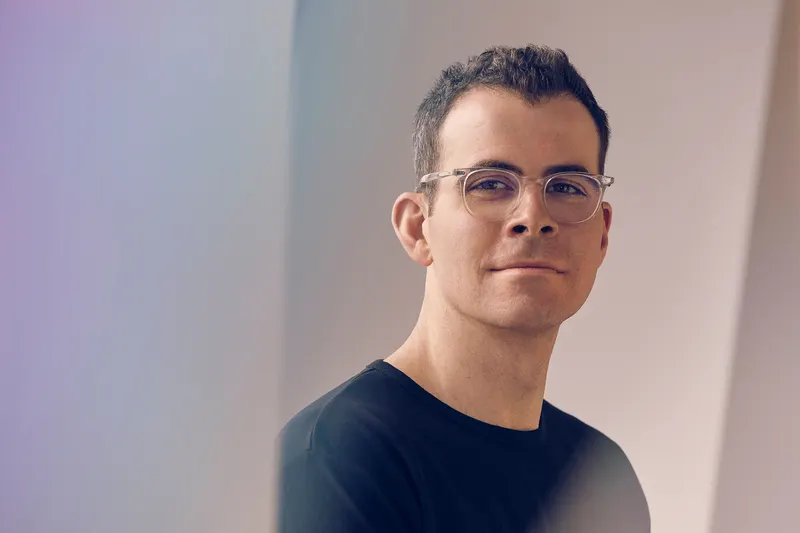
Your feed fills up with videos that look real and aren't. Instagram is working to contain AI junk: its CEO, Adam Mosseri, said he doesn't see banning it as practical, La Opinión reported on October 17.
The joke that wasn't told by the person telling it
A comedian can spend months polishing a live routine. Then a profile with the face of a woman who doesn't exist repeats his punchlines with minimal changes and racks up hundreds of thousands of followers. Several comics denounced it and, according to the accusations, those avatars steered the audience toward OnlyFans pages. Adam Mosseri, Instagram's CEO, responded.
To someone watching from a phone, the matter seems distant. It isn't. When a video shot with a camera and one fabricated by a machine look the same, trust breaks: you no longer know who to believe the next news from. And someone else's work —the views, the followers, the money— ends up in an account with no author.
«The final filter is still you.»
Scripture puts its finger right there: «The simple believes everything, but the prudent gives thought to his steps» (Proverbs 14:15, ESV). Prudence isn't unhealthy distrust; it's respect for the truth and for the other person's work. Sharing without checking puts the lie into your family's and your church's conversation.
The slop flooding your feed
In English they call it "slop content." In Spanish it comes across as a soup of synthetic content: pieces manufactured in bulk, with faces nobody has and reused clips, whose purpose is to harvest clicks. Mosseri acknowledged there is "a lot of slop" on the platform.
He also defended the good side: there is material made with AI that adds value, and that's why banning it doesn't seem practical to him. The problem isn't the tool but the deception of accounts that imitate real people and live off the attention others earned. The algorithm rewards whatever generates engagement even when there's nobody behind it.
Deepfakes are no longer limited to fake celebrities or political videos. Now they're hyperrealistic characters that copy styles, jokes and even the atmosphere of a comedy stage. Against that, your trained eye is worth more than any label.
The fingerprint of the authentic
Instagram is studying the digital fingerprint of real content. Instead of hunting down every forgery, the idea is to certify what's authentic from its origin, with cryptographic signatures in cameras and standards like C2PA. It's also analyzing sending more traffic to original creators, so the views don't stay with the avatars.
Mosseri was honest about the limits: he still doesn't know what to do about copying material not covered by copyright, like jokes, and he admitted that detecting what's fake will get harder as technology advances. Translated to your daily life: the platform's label helps, but it doesn't save you. The final filter is still you.
Meanwhile, three signs to doubt before sharing. The account is new and posts at a pace no person can sustain. The comments don't converse with the video, they just celebrate it. The clip doesn't appear anywhere else or on the profile of whoever supposedly made it.
Your faith doesn't ask you for fear, it asks you for judgment: truth gets verified, and the image of God —yours and that of the creator who was copied— deserves respect. Before you hit share, ask yourself who wins with that click. Which one fooled you?