Debts and Savings: 7 Concepts to Master
Compound interest, budgeting, and the emergency fund are learned late; in your 20s, mastering them buys freedom.

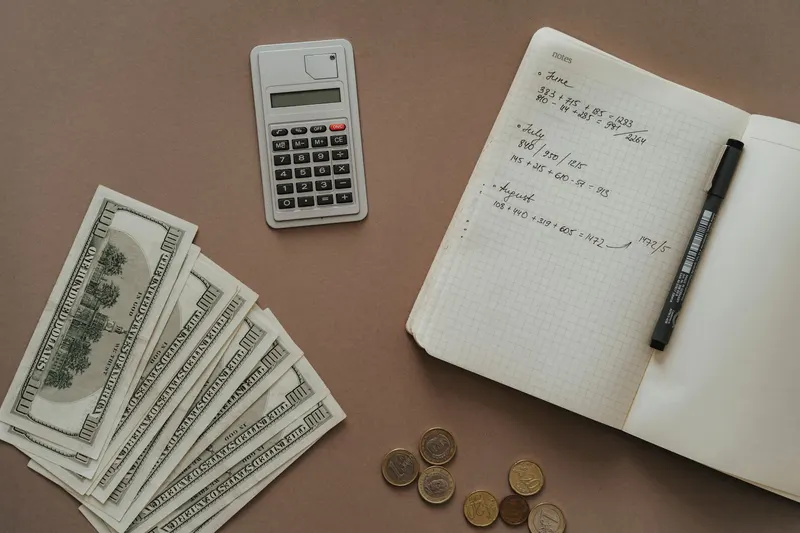
No one teaches you this in school, and in your 20s it costs you dearly. Almost no one talks to you seriously about debt and savings: they start with your first paycheck and your first credit card.
Seven concepts hold up or sink your finances: interest, budgeting, emergency fund, good and bad debt, consumption, saving, and generosity. They don't learn themselves. And they aren't solved by some stranger's video promising freedom in three steps.
Interest works for you or against you
Interest is the price of money over time. When you save, it plays in your favor. When you owe, it plays against you and doesn't rest any day of the week. There's the difference between the debt that pushes you and the debt that drags you.
«Generosity breaks the spell»
Good debt exists, but it's less common than you want to believe. It finances something that produces more than it costs and that you can pay without anguish. Bad debt buys what you already ate, what you already used, what you already forgot. The clothes, the night out, the phone of the year.
Jesus told a story about building and left an uncomfortable question: "For which of you, desiring to build a tower, does not first sit down and count the cost, whether he has enough to complete it?" (Luke 14:28, ESV). That is the logic of budgeting.
A map, a cushion, and a pause
The budget is a map you draw before walking, not a prison. Write down what comes in, what goes out no matter what—rent, transportation, food—and what you want. What's not on the map leaves without you noticing.
The emergency fund is money you save and don't touch, for the day the car breaks down or the job changes. Setting aside for the unexpected is prudence, not lack of faith. The ant in Proverbs works in summer and doesn't give sermons (see Proverbs 6:6-8).
Consumption is the silent enemy. You almost never buy out of necessity; you buy out of tiredness, out of boredom, out of what you saw on a screen. Before paying, wait a few days. If you still want it and can pay for it without owing, buy it. If not, it wasn't for you.
Saving has one rule: set aside before spending, not after. What's left over never really is.
Money is a tool, not a master
Here everything is decided. You can have little and be a slave to money, or have much and use it with open hands. The problem was never the amount, but who rules in your heart.
Generosity breaks the spell. Giving the tithe, helping those in need, sending something to your family. Giving doesn't make you poor: it reminds you who owns everything you have.
Paul wrote it bluntly: "Each one must give as he has decided in his heart, not reluctantly or under compulsion, for God loves a cheerful giver" (2 Corinthians 9:7, ESV).
Work is also worship. Your first job is a vocation, not a punishment or a shameful stepping stone. Doing well what you have in your hands, even if the pay is small and the boss doesn't notice, is a way to love your neighbor.
Challenge for this week: write down every expense for seven days, down to the corner coffee. When you finish, separate what you needed from what you no longer remember.
With that you'll have your first real budget, made with your numbers. And a question to comment on: what surprised you more, what you spent or what you didn't even remember?




