Cuba reported 137 cases against religious freedom
Infobae shared the count from a report documenting 137 violations of that right during September.

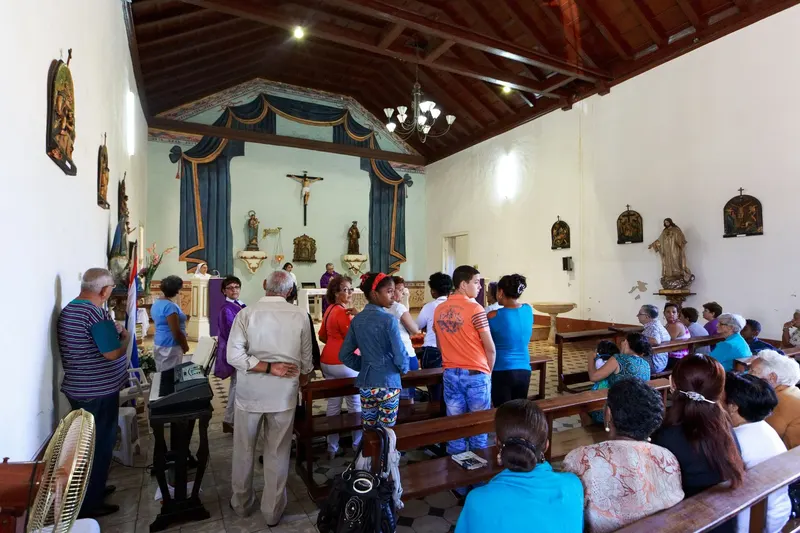
Cuba recorded 137 violations of religious freedom during September, according to the report Infobae shared. The number measures something simple and enormous at once: the real ability to gather, pray and teach without punishment.
A number that isn't abstract
137 cases in a single month. Behind each one is a person with a name, a routine and a community that was expecting to see their people. Religious freedom is not a legal decoration: it is the space where a church sings, baptizes and learns to read the Bible together.
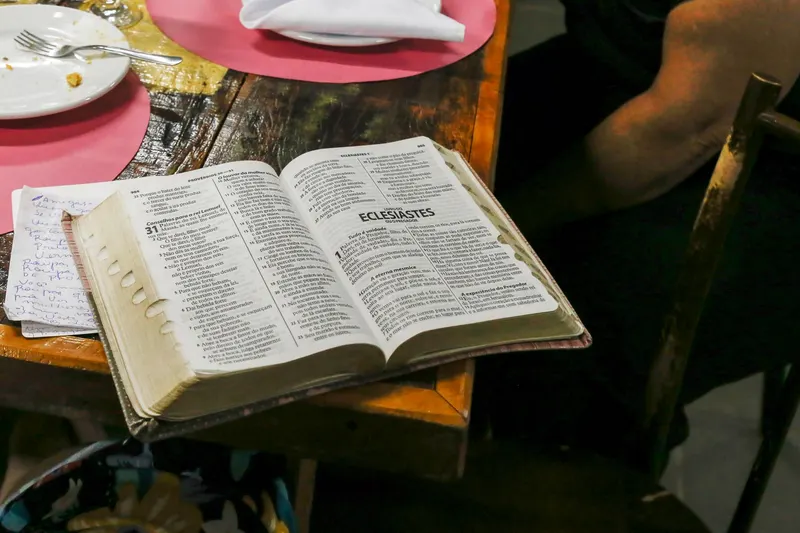
For a young person who grew up going to church without a second thought, this can sound far away. It's worth imagining it the other way around: what would you do if meeting with your youth group depended on a permit? Scripture doesn't promise comfort. "Indeed, all who desire to live a godly life in Christ Jesus will be persecuted" (2 Timothy 3:12, ESV).
«Praying for Cuba is not taking sides for anyone»
If you have family or friends in Cuba, this number has a face. And if you don't, it should still matter to you: a church that cannot gather freely is a warning sign for every other church.
Faith is not defended with flags
Defending freedom of worship is not campaigning. The church isn't asking for privilege or power: it asks for room to worship, teach the Word and serve its neighborhood. When faith gets attached to a flag, a party or a strongman, the message goes quiet. Each sphere has its own authority: the church shapes consciences, the state governs, the family raises children. Mixing them harms all three.
The apostle Paul asked us to pray for those in authority "that we may lead a peaceful and quiet life, godly and dignified in every way" (1 Timothy 2:2, ESV). Notice the reason: peace to live out the faith, not an advantage for one side. Praying for Cuba is not taking sides for anyone; it is asking that those who govern do justice and that churches can keep serving their people. None of that turns the pulpit into a political stage.
No government should decide who prays, and no church should use public power to silence another. That double caution helps when the topic turns into a slogan on social media.
What you can do with this number
First, pray. Use specific names when you know them and, in the meantime, pray for Cuban churches in general: for their pastors, for the young people who lead small groups, for the families who decided to keep meeting. Prayer is not plan B while we wait for something better; it is the church's work until the day every knee bows.
Second, get informed carefully. A number like this is best shared with its source: 137 cases in September, according to Infobae. If a WhatsApp voice note isn't confirmed by a reliable news outlet, don't forward it. Rumors hurt the very people we say we want to defend.
Third, take stock of your own freedom. You have an open door here to gather, sing and study the Bible. Using it is the best way to honor those who can't. Start with your local church: show up early, serve in something small, invite someone.
The story doesn't end with a report. It ends in Christ, who promised to build his church and is doing so even where there is pressure. This week, set aside ten minutes to pray for Cuba and share this article with your group. What will you do with the freedom you have today?