Christians in Egypt: 2,000 Years of Faith
About 10% of Egypt's population identifies as Christian, and most belong to the Coptic Orthodox Church.

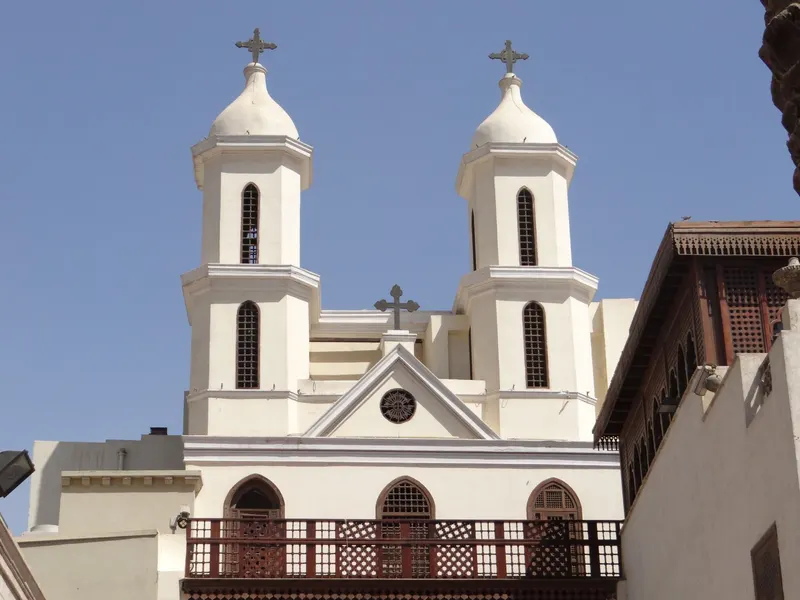
About 10% of Egypt's population identifies as Christian, and most belong to the Coptic Orthodox Church. Global Christian Relief published an overview of Christians in Egypt on November 7, 2026.
From Alexandria to the desert
Christian tradition holds that the apostle Mark brought the gospel to Alexandria in the first century. The city soon became a center of theology and study, with names like Clement of Alexandria, Origen and Athanasius. Egypt is also recognized as the birthplace of monasticism: Anthony the Great and Pachomius withdrew to the desert to devote themselves to prayer, Scripture and service. Their example inspired monastic communities around the world.
The country also appears in the story of Jesus' birth. Joseph and Mary fled to Egypt with the child after an angel warned them of Herod's plan to kill Jewish children, and they returned to Israel when the king died. Matthew records it, citing the prophecy: "Out of Egypt I called my son" (Matthew 2:15, ESV).
«Faith in Egypt has spent nearly two thousand years sustained by the quiet faithfulness of its communities.»
A minority nearly two thousand years old
The numbers vary, but most researchers estimate that Christians make up about 10% of Egypt's population. The Coptic Orthodox Church is the largest group and one of the largest Christian bodies in the Middle East. Alongside it are Protestant churches, evangelical communities and the Coptic Catholic Church, with its own liturgy.
Many believers identify as Copts, a word that comes from the ancient Greek term for Egyptians. They keep ancient feasts, seasons of fasting and worship in Arabic and in Coptic, a language descended from ancient Egyptian. The local church is often the center of family life and community support, and desert monasteries still welcome pilgrims.
Daily life looks like that of millions of Egyptians: raising children, working, studying and holding the neighborhood together. Congregations run schools, clinics and relief efforts that serve people regardless of their religion. That service echoes what Jesus said: "By this all people will know that you are my disciples, if you have love for one another" (John 13:35, ESV).
Social pressure and the cost of believing
The Egyptian government has taken steps to improve legal protections and authorize the building of churches, but many believers still face obstacles. In some areas, sectarian violence has hit villages, businesses and places of worship. Extremist groups have attacked churches, especially in times of political instability, and security is stepped up at Christmas and Easter.
There are quieter pressures too: fewer job opportunities, obstacles with local permits or everyday discrimination. The most delicate case is that of someone who leaves Islam. Conversion can bring family rejection, pressure from those around them, difficulties at work and legal complications, depending on the circumstances. That is why some practice their faith discreetly and lean on trusting relationships with other Christians; local ministries offer them discipleship and support.
Is Christianity growing in Egypt? The answer depends on how you measure it. The historic churches maintain steady growth, while ministry organizations report people coming to faith through personal relationships, distribution of Scripture, digital media and local evangelism. Leaders speak of more room for discipleship, youth ministry and theological training.
Faith in Egypt has spent nearly two thousand years sustained by the quiet faithfulness of its communities.
This week you can pray for the pastors and families serving in Egypt, and for those facing rejection for following Jesus. Pray also for peace and justice in the country. And if someone of Egyptian background goes to your church, ask them how they live out their faith: listening is also a way of walking alongside.