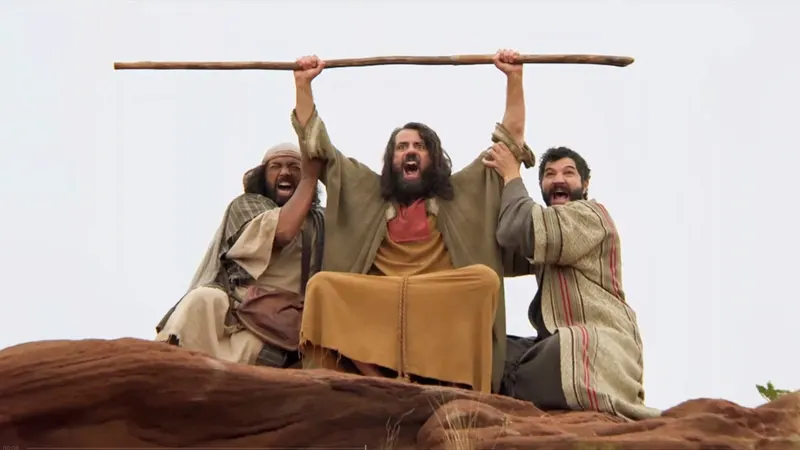
Broken Toys: The Family We Imagined vs. the One We Live
The line from "Juguetes rotos" shifts the focus: not the ideal family, but learning together at every stage.

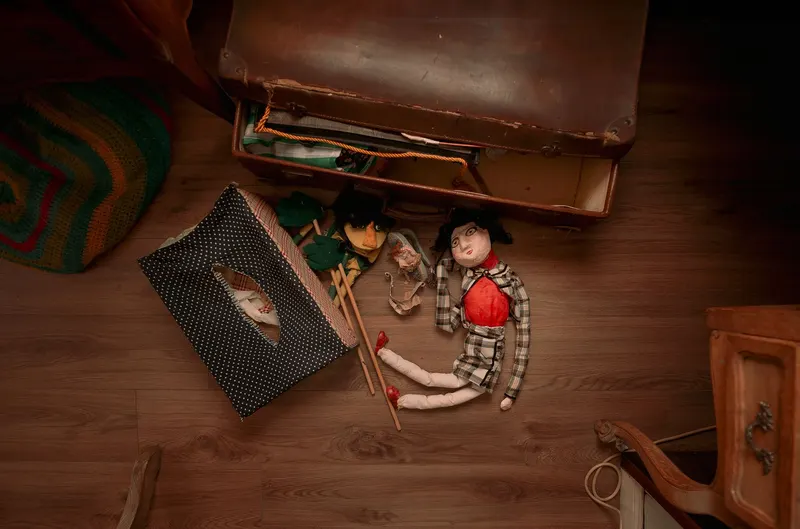
"Juguetes rotos" (Broken Toys) is the title of a piece that says out loud what many keep quiet: we imagine the family, and then we have to live it. Its line doesn't promise a home without cracks, but it doesn't stop at complaining either.
What we imagine before reality arrives
We all carry a mental movie about family. It's built from the home we grew up in, from what we lacked, from TV shows and other people's photos. That movie almost never matches an ordinary Tuesday: the unfolded laundry, the brother who doesn't answer, the conversation that is still pending.
That's where a strange guilt shows up. We think that if our family doesn't look like what we imagined, something broke in us. I wonder if the problem might be the expectation. Asking real people for perfection is like asking a clay jar never to get scratched.
«God doesn't expect a flawless container to use it.»
The piece doesn't speak in the future tense. Its line is this: "So many times we imagined what our family would be like, and today we are enjoying it and learning together at every stage." Present tense, with the word learning at the center. No frozen snapshot.
Learning together at every stage
There are stages nobody chooses: a son's teenage years, a grandfather's illness, a move, the night shift that splits dinner in two. In each one the family changes shape and you have to get to know each other again.
Scripture doesn't sell an ideal model of a home. It calls children "a heritage from the Lord" and "a reward" (Psalm 127:3, ESV). Heritage and reward: two words that sound like a gift, not an exam. And it asks something concrete of parents: "Fathers, do not provoke your children, lest they become discouraged" (Colossians 3:21, ESV). Not discouraging them is already a high standard.
I believe many young people come to faith with a wound that comes from home and not from church. And I believe a local church can be the place where that wound is named without scandal. A community that doesn't require a perfect family in order to sit at the table.
The image behind the title
The name of that piece, "broken toys," helps me think about what breaks and isn't thrown away because of it. A broken toy keeps its story: someone played with it until it wore out. That's how we look at the people at home, as people with value of their own and not as projects to fix.
Paul puts it with another image: the treasure is kept in jars of clay (see 2 Corinthians 4:7). God doesn't expect a flawless container to use it. That takes away my dizziness at having to pretend to have a family that doesn't exist.
Hope isn't in everything going well this week. It's in Christ, who walks into broken homes and stays for dinner.
Try something small this week. Pick a meal, a car ride or a text message, and ask someone at home a different question: what are you learning in this stage? Listen without correcting. If your family has a pain nobody names, find a trusted adult, your pastor or a mental health professional. What stage are you living through today with your people?