AI Sextortion: The Photo That 'Only Shows Once'
Verification codes and fake images fuel blackmail whose real loot is your shame.

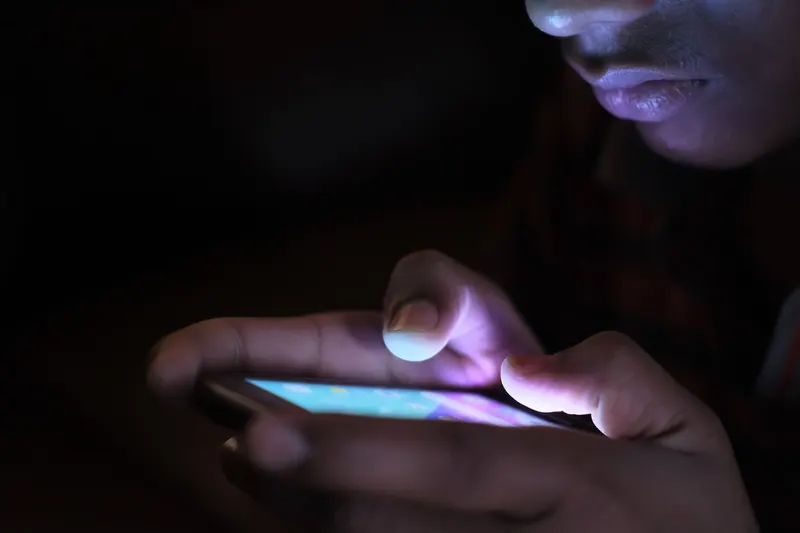
You open a photo that only shows once and the blackmail arrives: pay or I'll publish it. That's AI sextortion. No real photo is needed: just a face taken from your social media.
The hook starts with a photo that deletes
This blackmail usually works like this. An attractive profile messages you, the chat becomes intimate and they suggest moving to WhatsApp. There they send an image to 'view once' and ask you to do the same. On the other side, no one deletes anything: they screenshot before it disappears.
Another version doesn't need you to fall for the trap. With a photo of you from Instagram, a free app pastes your face onto a naked body. The image is fake and it doesn't matter: the threat reaches your contacts if you don't pay.
«The real loot is your fear.»
Then comes the code trick. Someone claims to be your friend, a buyer or a company and asks for 'the six-digit code to verify.' That number opens your account. Giving it away is handing the key to your house to a stranger.
And if you already sent an image, that doesn't make you guilty. It makes you the victim of extortion.
The real loot is your fear
No one sets up a scam like this to keep a profile. The profit is in your shame: in the fear that your mom, your pastor or your classmates will see something you don't know how to explain. Silence is their business.
It's worth looking at this calmly and with the Bible open. 'So God created man in his own image, in the image of God he created him; male and female he created them' (Genesis 1:27, ESV). Your worth doesn't fit on a screen, and a fabricated image can't touch it. Nor do you carry the guilt alone: 'There is therefore now no condemnation for those who are in Christ Jesus' (Romans 8:1, ESV).
Shame grows when you keep it to yourself. Told in time, it often finds more compassion than you fear, especially among those who have also needed grace.
No past decision justifies blackmail. The one who extorts is the one doing evil, not the one who was deceived. Paying almost never ends the problem: it confirms to the scammer that you respond to fear.
Four steps that cut the threat
- Don't pay. Don't send more photos or more money either; every response feeds the conversation.
- Save evidence: screenshots of the profile, the number, the threats and the time. Don't delete the chat.
- Turn on two-step verification and don't share codes with anyone, not even with someone claiming to be your bank.
- Tell someone. A trusted adult, your parents, your pastor or a professional. If you're a minor, also notify the authorities in your country.
The truth disarms the threat faster than any payment. The problem isn't the app; it's someone who decided to profit from another's fear. Who would you tell today?
- #sextorsión
- #estafas digitales
- #seguridad digital
- #imágenes con IA
- #verificación en dos pasos
- #dignidad humana






